Tacotalpa
"The bus from Villahermosa had been going through flat hot lowlands for an hour and a half. Then the road rose, the temperature dropped, and everything changed."
I took a second-class bus from Villahermosa’s CAXA terminal, a two-hour journey that for the first hour ran across the flat Tabasco lowlands — a landscape of river channels, cattle pastures, and the occasional oil infrastructure that gives the state much of its modern identity. Hot, humid, the windows fogged. I had been in Tabasco for four days and felt I understood its register. Then the road began to rise.
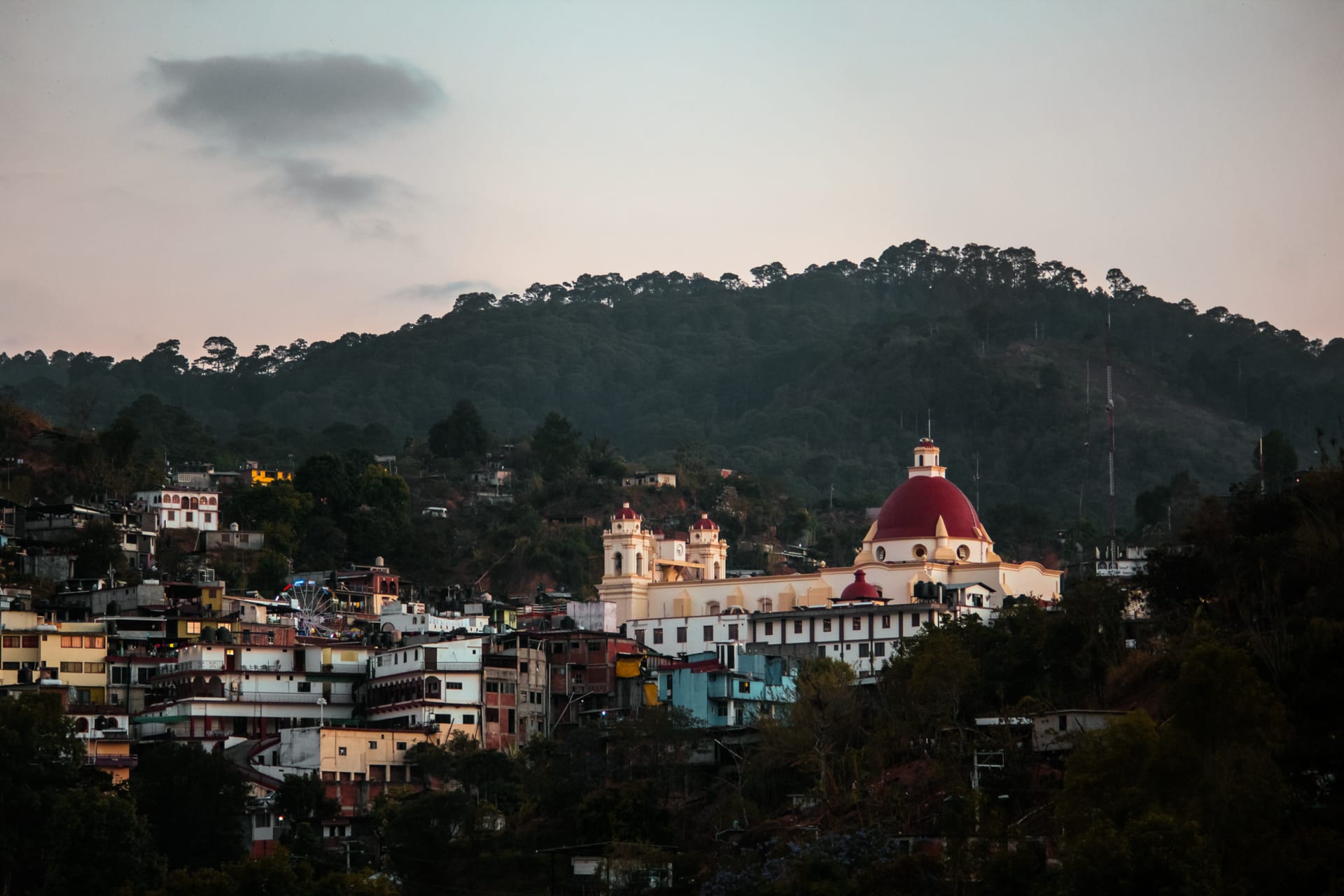
The Sierra del Norte de Chiapas forms the eastern edge of Tabasco, and the municipality of Tacotalpa sits at roughly 500 meters — high enough that the vegetation changes, the temperature drops perceptibly, and the light acquires the misty, diffuse quality of cloud forest. By the time I stepped off the bus in the town center I was wearing an extra layer and the air smelled of wet earth and orchids and something I recognized distantly as the smell of the mountains in the south of France in early spring.
Tabascans call this region the Switzerland of Tabasco, which they offer without irony. I am from France and therefore perhaps more qualified than average to engage with Swiss comparisons, and I would say the label is not quite right in its specifics but correctly identifies the emotional category: this does not look like the Mexico you were just in.
The Grutas de Coconá
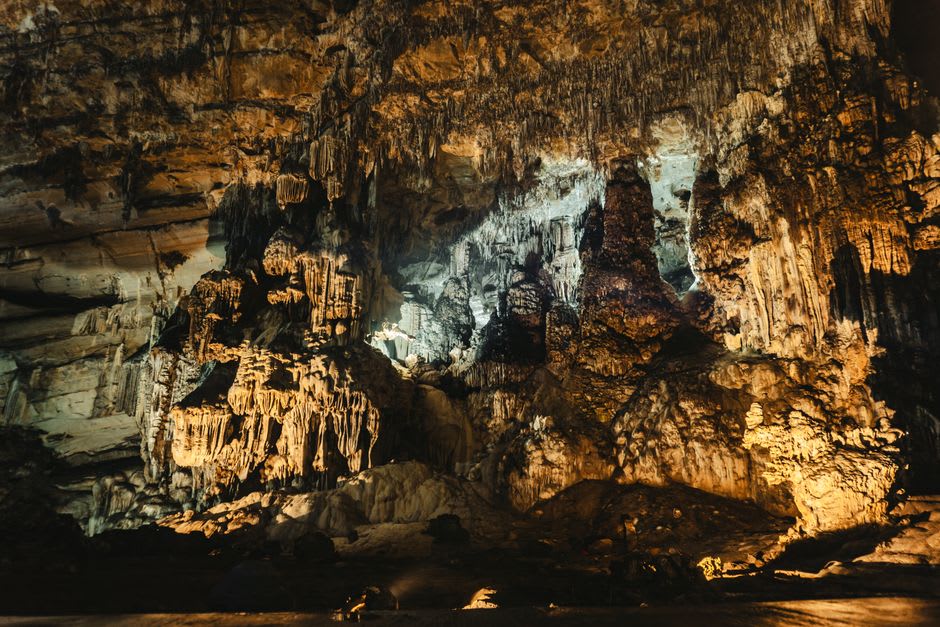
The Grutas de Coconá are the primary reason people come to Tacotalpa from outside the region, and they are worth the effort. A river — the Río Coconá — flows through a series of limestone chambers before emerging into open air, and for part of the route you board flat-bottomed boats and travel by torch through the darkness while the river carries you past formations that have been accumulating for millions of years.
The cave is genuinely large. The chambers are tall enough that the boat lights don’t reach the ceiling in places, and the sound of the water in the dark has an acoustic quality that makes it difficult to judge distance. Stalactites and stalagmites in their various stages of formation, some with mineral staining that makes them rust-orange or pale green in the torchlight. The temperature inside is significantly cooler than the already-cooler outdoor temperature, and the humidity is total.
What I wasn’t prepared for was the moment after the boat section, when you continue on foot through a narrower part of the system and the guide cuts all the lights for sixty seconds. Complete darkness in a cave with a river is a specific experience. I am not describing it badly on purpose — I genuinely do not have a better set of words for what standing in absolute darkness with moving water nearby does to your sense of your own body.
The Forest Above the Town
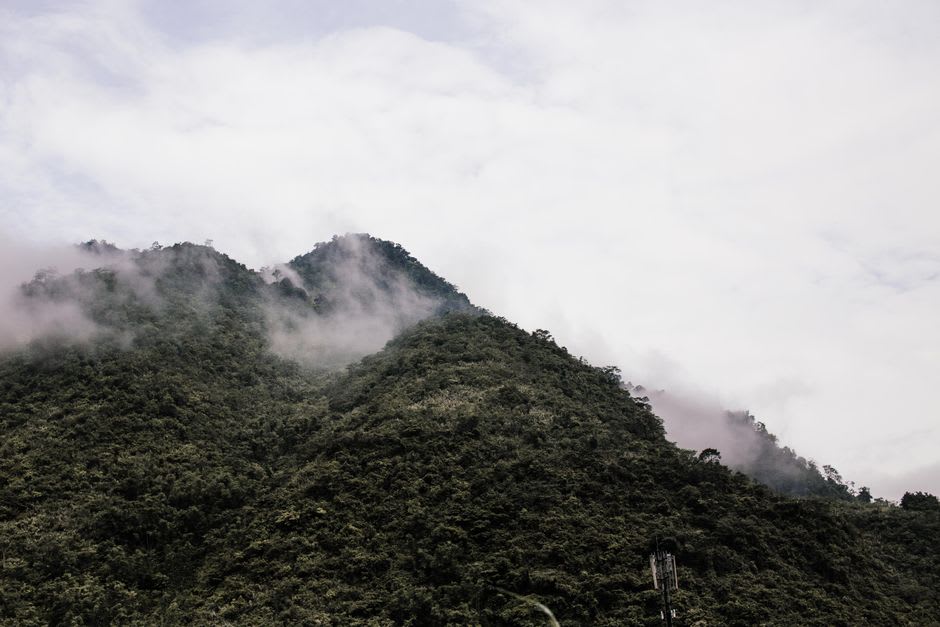
Above Tacotalpa the road climbs into pine-oak forest and the sky opens up between the trees in a way that the lowlands never permit. There are waterfalls accessible on short trails from the road — the kind of waterfalls that in another region would have parking lots and fees and infrastructure; here you pull over on a dirt shoulder and walk through undergrowth for ten minutes and find falling water into a pool of extraordinary cold clarity.
The Zotz Tsil Chol Maya community in the surrounding mountains maintains ceremonial traditions that continue actively. I did not visit as a tourist site — I passed through a village on the road north and the context was clearly not a place that was organizing itself for outside observation. I mention it because the region has a living indigenous ceremonial culture that the Grutas information sheets don’t much discuss, and it is part of why this landscape feels inhabited in a deep sense.
The orchids along the road are wild. I kept stopping to photograph them, which added considerable time to what should have been a short drive.
Practical Details
Buses from Villahermosa run regularly — the CAXA terminal has departures for Tacotalpa several times daily. The journey is two hours. Most people do this as a day trip; if you want to stay, there are very basic guesthouses in the town. The caves require a local guide and boat hire, neither of which is expensive.
Pack a layer. I was wearing a short-sleeved shirt in Villahermosa that morning and was cold by the time I reached the cave. The locals walking around in fleeces while I stood there in cotton looked at me with the patient sympathy of people who have watched this happen before.