Paraíso
"The pejelagarto arrived on a plate and looked at me reproachfully with one prehistoric eye. It was excellent."
Every state has its beach town, the place where families drive on Fridays when work finishes and the week has been long enough. For Tabasqueños, Paraíso is that beach. Two hours from Villahermosa on a flat Tabasco highway through sugarcane fields and cattle pastures, past lagoons where egrets stand in the shallows and oil infrastructure interrupts the agricultural landscape with its pipes and pumping stations, and then the Gulf of Mexico opens up.
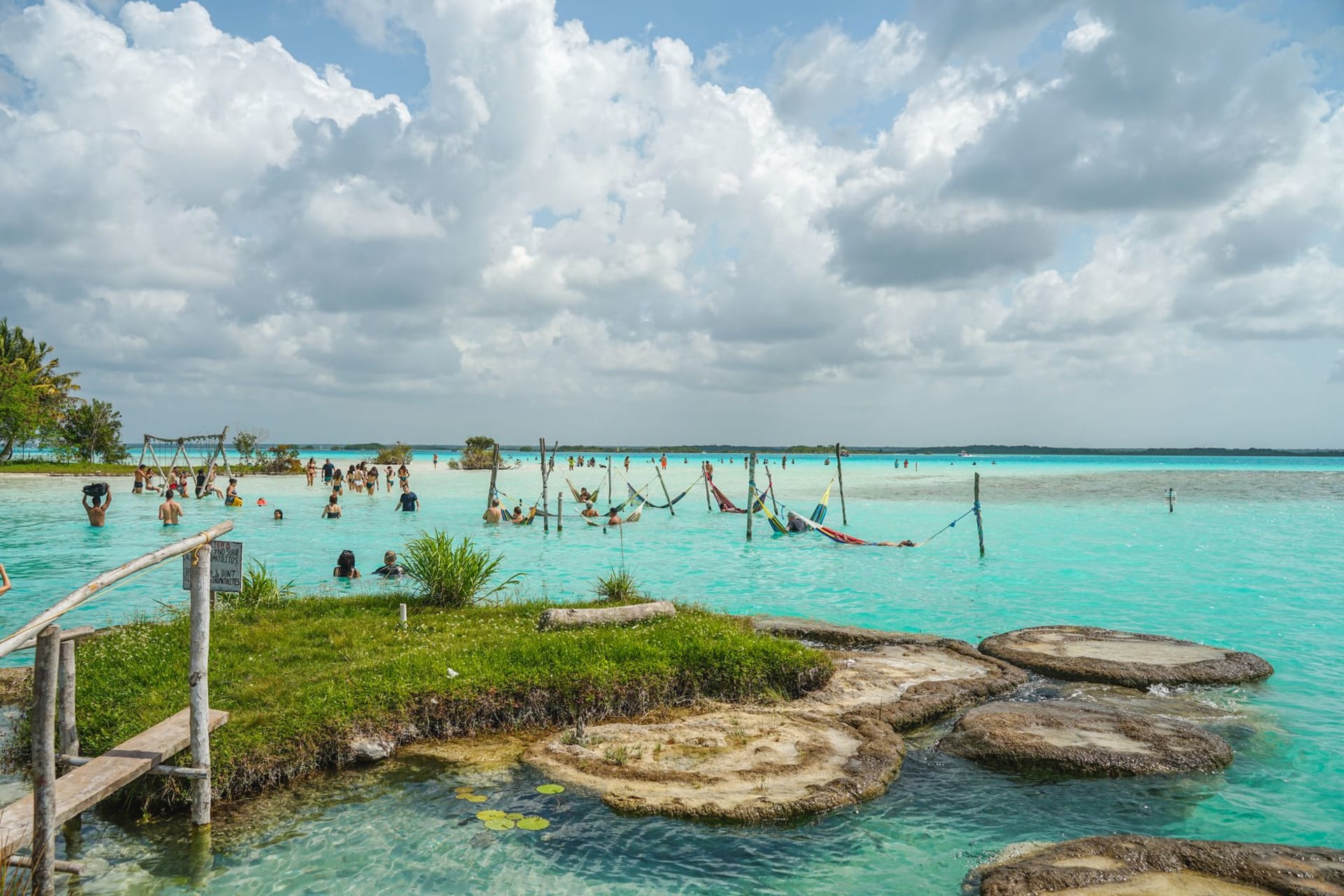
This is not the Caribbean. People coming to Tabasco expecting the Yucatán’s turquoise reef waters are going to make a recalibration. The Gulf of Mexico here is warm and brown-green, the color of deep water over a clay seabed, with a slight chop from the prevailing winds and fishing boats working the middle distance. The beach itself is flat and functional — coconut palms, working-class beach infrastructure, the occasional pelican making its anachronistic flight above the waterline. It is the kind of beach that exists to be used, not to be photographed.
The Pejelagarto
The reason to come to Paraíso — the reason Tabasqueños come to Paraíso with the specific purposefulness of people who know what they’re there for — is the pejelagarto. I had read about it before I went. I had seen photographs. None of this prepared me for what arrived on the plate.
The pejelagarto (Atractosteus tropicus) is a prehistoric gar, a species that has been in the rivers of the Grijalva-Usumacinta system for something like 100 million years without finding any reason to change its fundamental design. It is long and cylindrical, covered in thick bony scales that look more like armor than fish scales, with a long snout full of small sharp teeth and eyes positioned on the sides of a flat head. It looks, in short, like a thing that has no business being served for lunch in the twenty-first century.
Asado is the preferred preparation: the whole fish split down the back, opened flat, marinated in citrus and chile, and grilled over wood until the skin is charred and crisp and the flesh inside is white and firm. It arrived on a large plate with lime, pickled onion, and a stack of corn tortillas, with the head still attached, one eye regarding the table with an expression that I can only describe as skeptical.
The flavor is its own thing. Dense and faintly sweet in a way that freshwater fish sometimes are, but without the muddy undertone that can come with river fish — something about the grilling over wood clarifies it, removes whatever softness there was and replaces it with char and citrus. I ate the whole fish except the bones. I would eat it again immediately.

The Mecoacán and the Shrimp
The Laguna de Mecoacán, just inland from the beach, is one of the most productive shrimp fisheries on the Gulf coast of Mexico. The shrimping boats you see from the beach are mostly working the lagoon and the coastal shelf, and the shrimp that arrives on your plate at the beach restaurants arrived there that morning or the afternoon before.
I had camarones a la diabla — shrimp in a red chile and tomato sauce — at a restaurant where every other table was occupied by a Tabasco family that had driven from Villahermosa for the weekend. Two tables away, a birthday party was in its third hour. One table down, a quinceañera group was sharing something in a platter that I couldn’t identify but resolved to order for myself on a future visit. The service was unhurried in a way that was not indifference but priority — the food is first, the pace is the food’s pace.
The shrimp were large and fresh and cooked correctly — firm but not tough, the sauce bright with guajillo and tomato and carrying a genuine heat that built over the plate rather than arriving all at once. With rice, with cold beer from a bucket of ice, with the Gulf of Mexico twenty meters away doing its flat, brown-green thing.
Getting There and When to Go
Paraíso is two hours from Villahermosa by car on a direct highway, and there is bus service from the Villahermosa terminal. Weekdays are quieter — the restaurants are open but the energy is lower. If you want the full Tabascan weekend beach experience, with the birthday parties and the platter orders and the full staffing at the restaurants, come on a Saturday.

Go for the fish. The pejelagarto is the specific reason to be in Paraíso rather than anywhere else. If you see pejelagarto frito — the deep-fried version, the whole animal curled in a hot oil bath — order that too. The prehistoric design works better than you’d expect when cooked in oil. It works better than you’d expect in general.