Macuspana
"Agua Blanca is the kind of place where the boat engine cuts out, the herons do not move, and you realize you have been holding your breath."
I came to Macuspana because someone in Villahermosa, over a plate of pejelagarto and two cervezas, mentioned the lagoons almost as an afterthought — the way locals mention the things they assume everyone already knows about. The ADO deposited me at a terminal that felt more like a junction for somewhere else. The main square was quiet at midday, the heat pressing down in that specific Tabasco way that makes everything feel slightly slowed. I had no hotel booked. I found one on the second street I walked. That evening, a man with a motorboat agreed to take me to Agua Blanca at six the following morning.
Agua Blanca
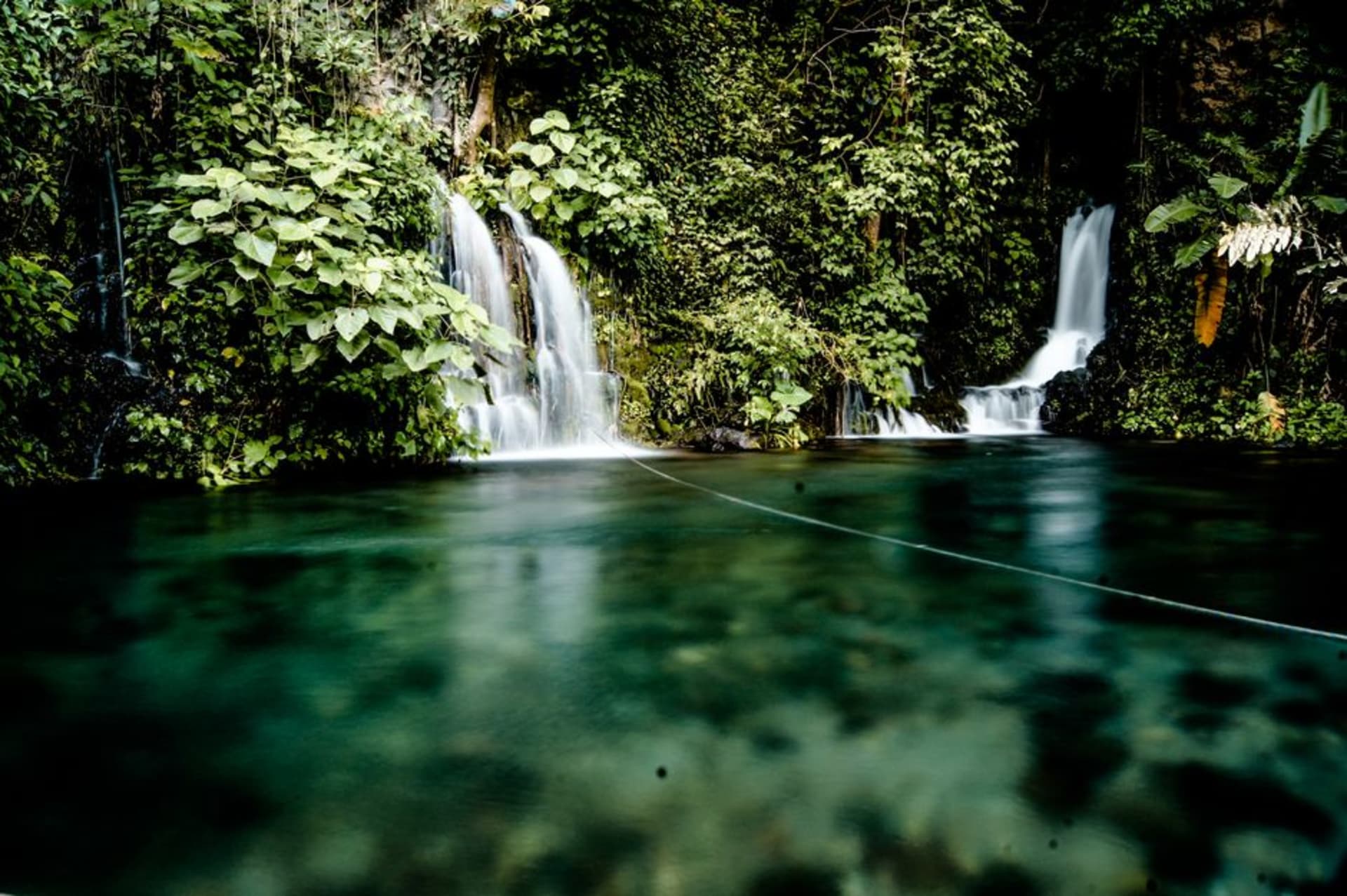
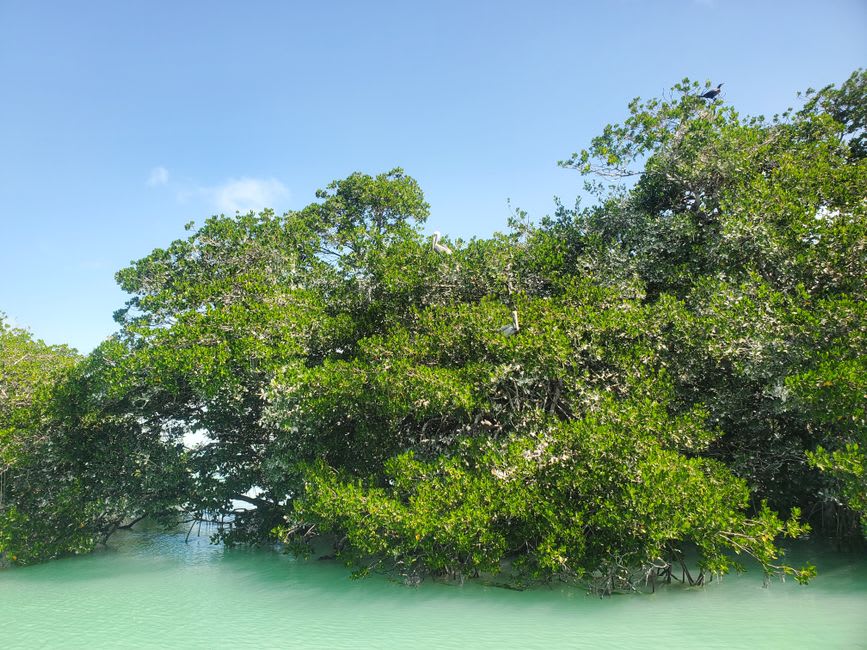
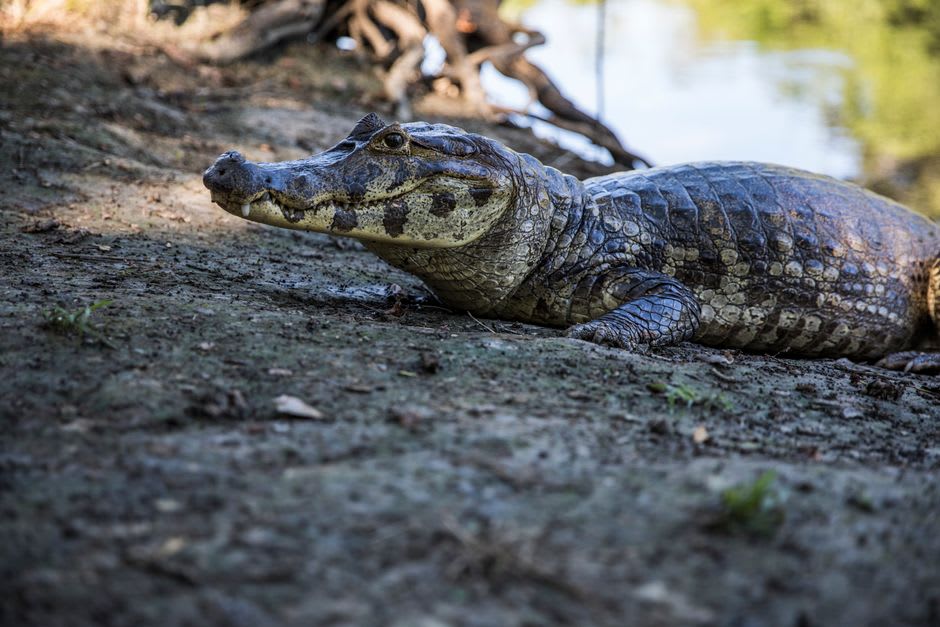
The boat left from a landing about four kilometers outside town, down a dirt road that the driver navigated with the calm confidence of someone who has done it in the dark. The lagoon system at Agua Blanca is not one body of water but several — linked channels and open lakes that stretch into rainforest so dense it looks like a solid wall. The engine cut to idle within the first ten minutes, and in that silence I understood something about why people who live near places like this rarely leave. A caiman surfaced three meters off the bow, regarded us without urgency, and sank again. The herons — white, grey, enormous — held their positions in the reeds as if the boat were not there. Freshwater turtles moved across lily pads in clusters of three and four. No other vessels. No English. No itinerary beyond the direction the boatman chose to turn at each fork.
The Market and the Pejelagarto Question
Macuspana’s Mercado Municipal opens early and smells of wet earth and frying masa. I arrived at seven-thirty the morning after the lagoon, still half-damp from the mist, and ate a desayuno of tamales de chipilín — wrapped in the leaf itself, the herb giving the masa a faint bitterness that cuts through the lard — and a cup of pozol, that cold corn-and-cacao drink that is deeply Tabascan and takes some adjusting to if you have not had it before. The pejelagarto, the prehistoric-looking garfish native to these rivers, turns up at almost every table in some form: grilled over coals, simmered in a caldillo with chili and tomato, or hacked into sections and laid across charcoal. It looks like it was drawn by someone who had never quite seen a fish. It tastes like a cleaner version of catfish. Order it at any of the fondas along the market’s inner corridor. Point if necessary.
A Few Things Worth Knowing
Go to the lagoon before nine. After that the light flattens and the heat starts working against you. Negotiate the boat directly at the landing rather than through anyone in town — you will pay less and the boatman will be more inclined to cut the engine and wait. Bring water. The canal route into the reserve can run two hours if your guide is thorough. Back in Macuspana, the central Parque Juárez is a reasonable place to spend an afternoon doing nothing in particular, which is its own kind of research. There is a CREA cultural center near the plaza with rotating local exhibitions — easy to miss and worth not missing. Sleep at Hotel Los Lagos or somewhere equivalent: functional rooms, working fans, no one curious about where you are from.
Getting There
ADO operates regular service from Villahermosa’s CAXA terminal to Macuspana — roughly two hours, several departures daily, tickets available at the counter the same morning. Colectivos from Villahermosa’s secondary terminal are faster and cost a third of the price. From Palenque, shared vans run via Catazajá; allow three hours and expect one transfer. Macuspana has no airport and needs none.