Huimanguillo
"Tabasco is more than a Villahermosa transfer and a Palenque day trip, and Huimanguillo makes that argument quietly from the cacao farms."
I came into Huimanguillo from the Veracruz side, which meant driving through cacao country while the afternoon light went flat against the tree canopy. The road runs low through the municipality’s western farms, and there are long stretches where the air carries the faint sourness of fermenting cacao pulp — not unpleasant, just specific in the way a smell can announce a place before you’ve had time to form an opinion. I had booked a guesthouse in town without knowing much beyond the name and the general direction of the rivers. That’s usually how the better trips start.
The Lagoon Network
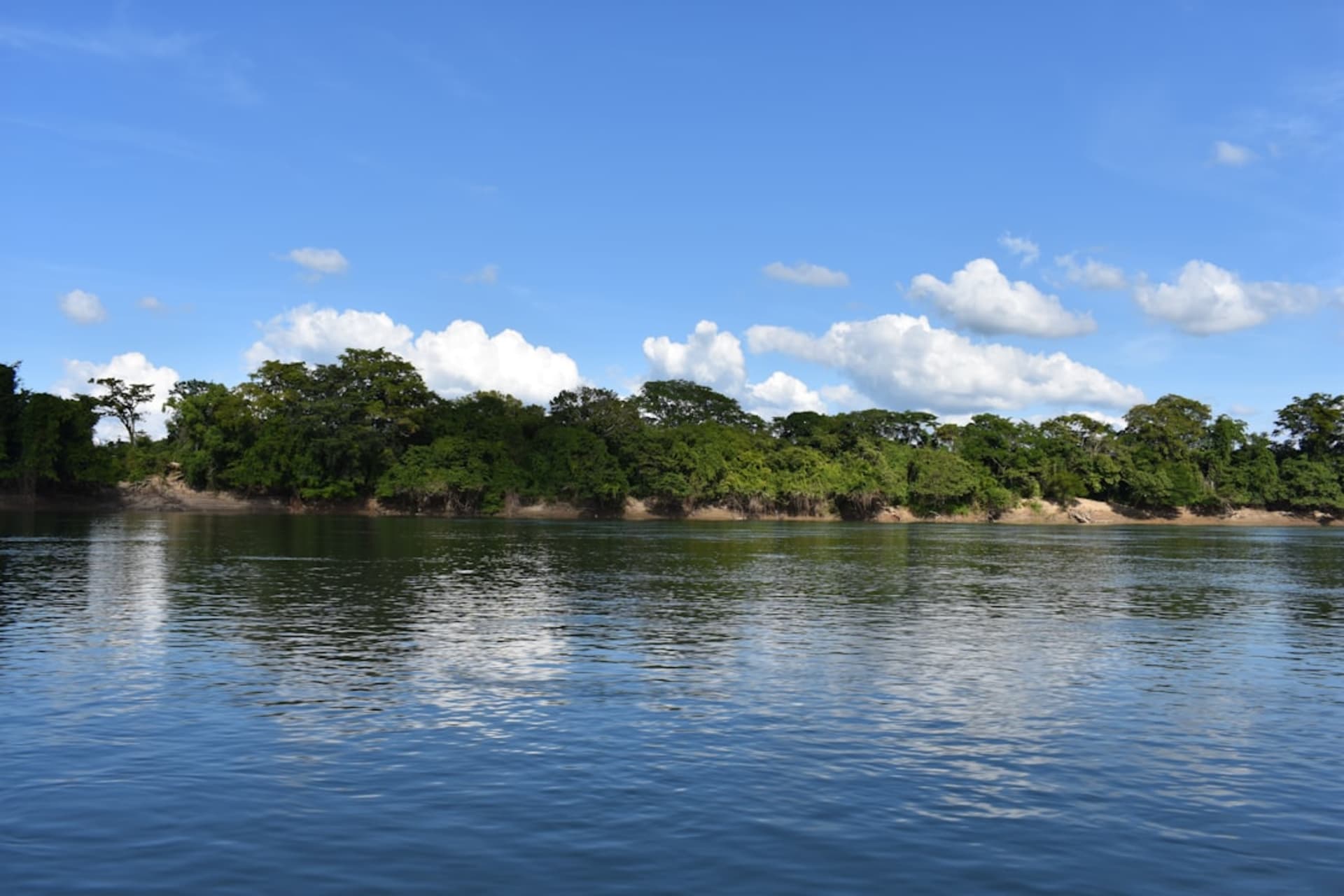
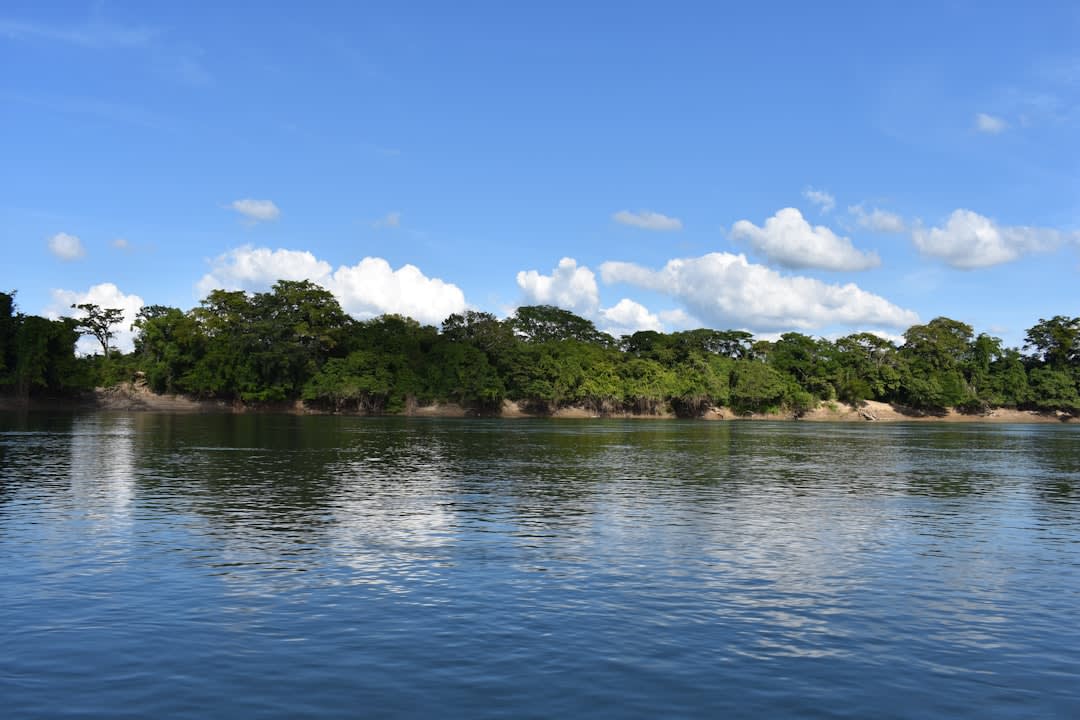
The defining feature of the Huimanguillo area is the transition from solid ground to water — and it happens so gradually you don’t notice when it occurs. The municipality sits at the western edge of Tabasco, and the land is in constant negotiation with the rivers that cross it: the Tonalá, the Blasillo, the smaller channels feeding into the Laguna del Caimán and the Laguna El Vapor. The best way to understand any of this is to hire a lancha at the dock near La Reforma, a small community about twenty minutes from Huimanguillo’s center, and ask the boatman to take you through the mangrove channels at first light.
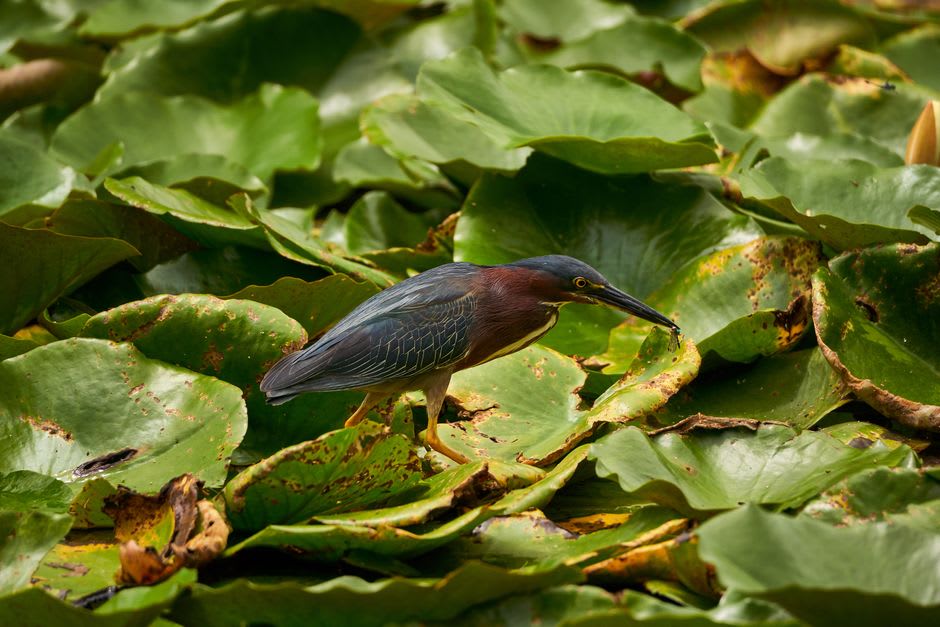
I was on the water by six on my second morning, moving through absolute stillness while a roseate spoonbill stood on a half-submerged branch ten meters from the boat and did not move. The guide — a man named Felipe who’d been working these routes for fifteen years — identified eighteen species in the first forty minutes. He said this without pride, the way a mechanic might list what he found under the hood. This corner of Tabasco is an ornithologist’s territory before anyone thought to market it as one, and the lack of infrastructure around that fact works in your favor.
Cacao at the Market
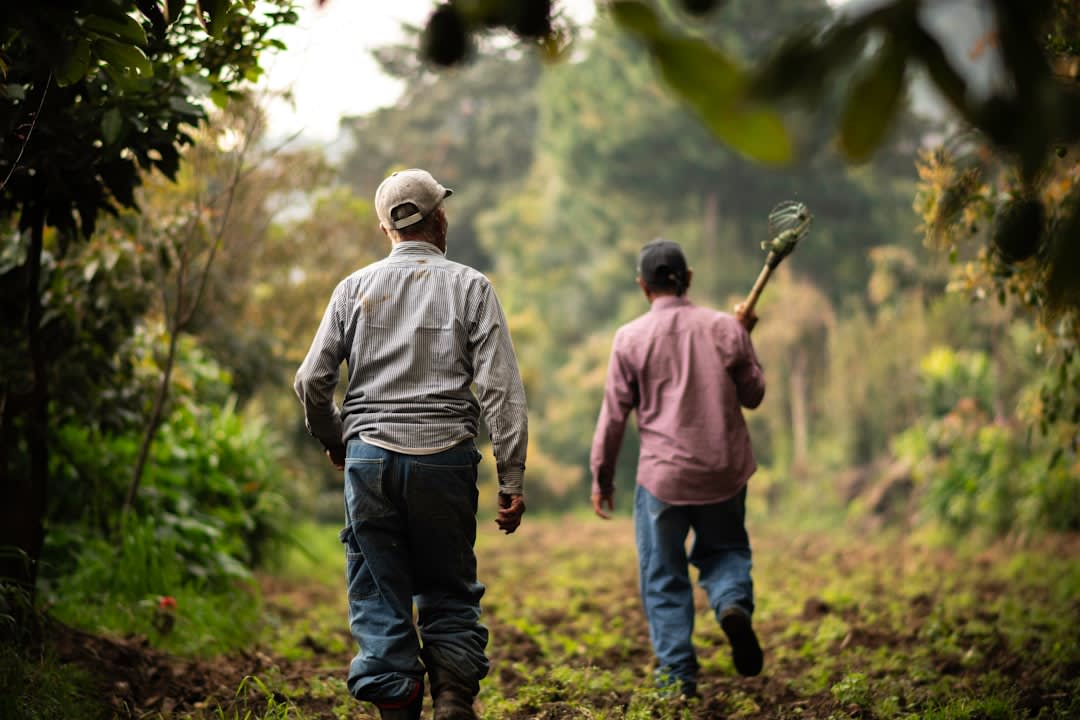
What makes Huimanguillo distinct from the rest of Tabasco is the weight cacao gives to everything here — economically, historically, and at the table. The municipality is one of the primary producing zones in Mexico, and the farms aren’t hidden: they line the approach roads, small-holdings with shade trees planted above the cacao to regulate temperature in the traditional fashion.
The Mercado Municipal in town sells cacao paste by the block, ground with cinnamon in the Tabasco method, and the women at the back of the market will heat it into a drink that is thick and slightly bitter and nothing like the chocolate you grew up with. I had a cup with a tamale de chaya and a piece of coconut bread on a Tuesday morning, sitting on a plastic stool with my bag between my feet. It was one of the better breakfasts I’ve had in Mexico, which is saying something. There is also a rancho operation on the road toward Malpasito where you can arrange a brief walk through the fermentation process — call ahead, because the schedule answers to the cacao and not to visitors.
Malpasito and the Slow Afternoon
Forty minutes from town on the highway toward Chiapas, the Cascadas de Malpasito sit inside a small archaeological zone where a pre-Classic site — occupied by Olmec-related groups and later cultures — climbs the hillside above a river gorge. You can swim in the pools at the base of the falls. It is not crowded. The entrance fee is nominal and the caretaker is usually the only person there on a weekday.
On the way back, the roadside stands near the highway junction sell jobo fruit in season — small, yellow, astringent — the kind of thing you’d never find in a market catering to anyone but locals. Buy a bag. Eat them on the drive back while the wetlands go gold in the late afternoon and you start reconsidering how long you planned to stay.
Getting There
Huimanguillo is roughly ninety minutes from Villahermosa’s CAXA terminal by direct ADO or Ómnibus de Chiapas service, with departures running through the morning and early afternoon. From Coatzacoalcos in Veracruz, the drive is about the same. There is no airport. The town is served entirely by road, which is fine — the approach through the cacao farms is part of it.