Comalcalco
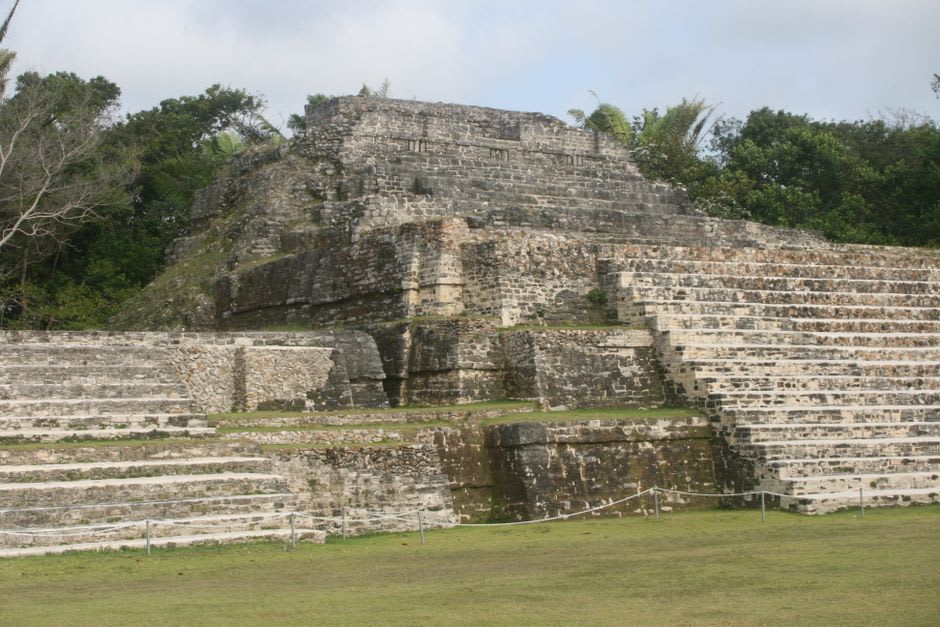
"The guide broke open a fresh cacao pod and handed me the seeds to eat raw — sweet and floral and nothing like chocolate yet, which is somehow the best part of the whole story."
I came to Comalcalco on a Tuesday, which turned out to be exactly the right day — the site was nearly empty, just a few school groups who had left by ten. The town itself is quiet in the way that Tabasco towns tend to be: humid, slow, smelling of damp earth and something sweetly fermented that I eventually tracked down to the cacao farms lining the road south of the centro. I had not planned to stay more than a day. I ended up staying three.
Bricks, Not Stone
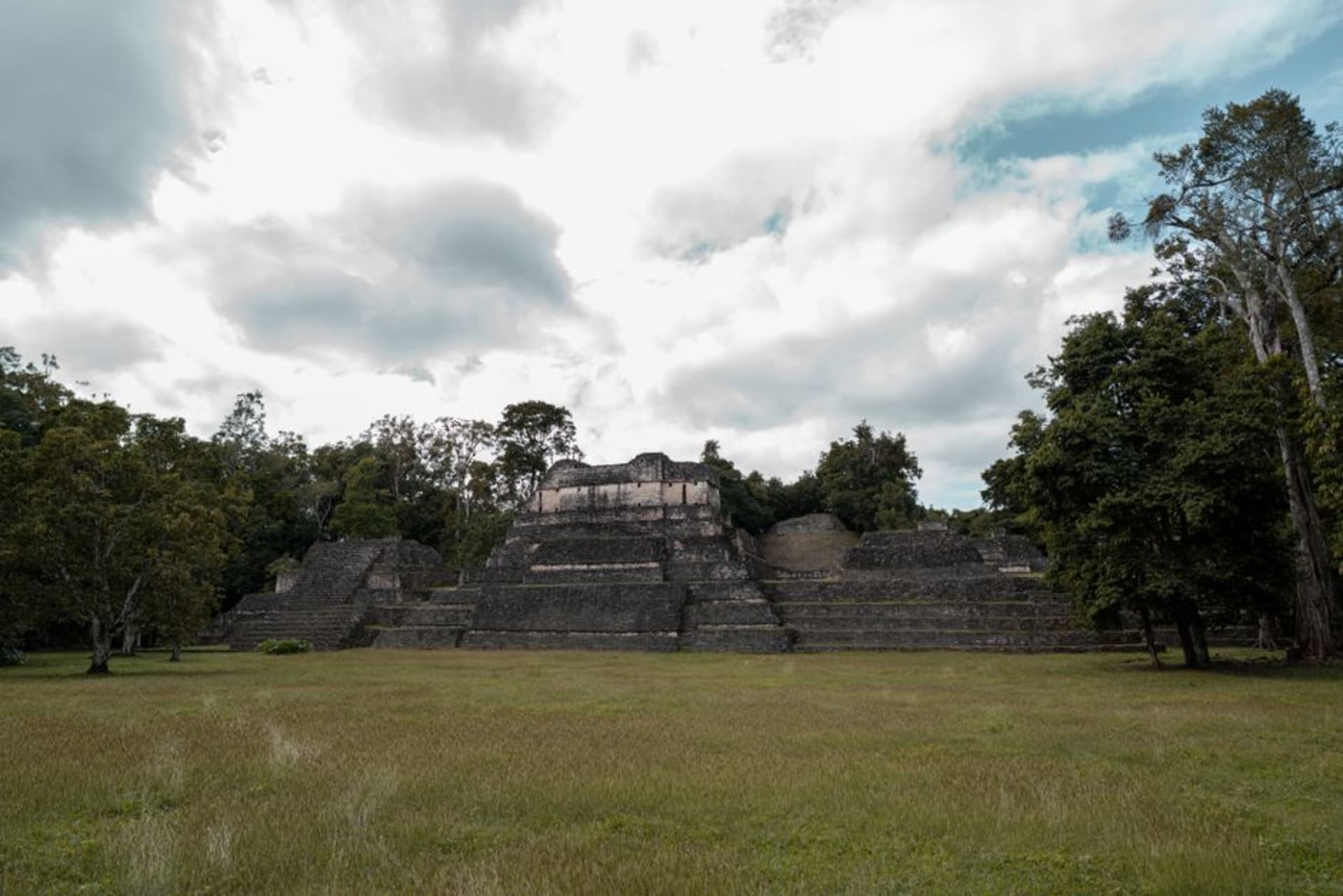
The thing nobody tells you about Comalcalco is how strange it looks. Every other Maya site I have visited in Mexico was built from limestone, that pale grey stone that goes almost white in the midday sun. Here the pyramids are a deep terracotta red, constructed from hand-formed fired bricks — some of them, if you look closely enough, still bearing the fingerprints of the person who shaped them over a thousand years ago. The guide I hired at the entrance, a local man named don Aurelio who has worked the site for twenty-two years, pointed out a brick near the base of the Gran Acrópolis with three distinct finger marks pressed into it before firing. He said the workers signed their work. I have no idea if that is true, but I chose to believe it. The structures are not as imposing as Palenque or Uxmal, but there is something intimate about them, something that the absence of crowds amplifies into something close to silence.
Cacao From Pod to Bar
The farms begin about three kilometers south of the ruins, and the best way to understand what is happening there is to book a tour at Hacienda La Luz, one of the more serious bean-to-bar operations in the region. The guide there — a young woman from the next town over who studies agriculture in Villahermosa on weekdays — broke open a fresh yellow pod with a machete and handed me the seeds inside, still coated in white pulp. They were sweet and faintly floral, tasting of lychee more than anything else, and nothing at all like chocolate. She explained the fermentation, the drying, the roasting, and the conching with the patience of someone who genuinely loves the subject. At the end she offered a tasting of four bars: a 70%, a 85%, a milk chocolate made with local honey, and a tablet flavored with chile amashito, a tiny fierce pepper native to Tabasco. I bought three bars and ate one before I reached the car.
Where to Eat
Back in town, the Mercado Municipal on Calle 5 de Mayo has a handful of cocina económica stalls serving the Tabasco classics: pejelagarto — the armored freshwater fish — grilled and served with chaya leaves and tortillas, and puchero de tres carnes on Sunday mornings if you arrive before eleven. I ate dinner both evenings at a small fonda two blocks from the plaza whose name I never learned because it had no sign, only a hand-painted arrow on the wall pointing down a passageway. The pozol there, served cold in a clay cup, was the real article.
Getting There
Comalcalco is about 60 kilometers northwest of Villahermosa. Shared vans — combis — leave from the second-class terminal on Avenida Ruiz Cortines in Villahermosa roughly every twenty minutes and take about an hour. The ruins are a short mototaxi ride from the town center. There is no real reason to rush.