Huachinera
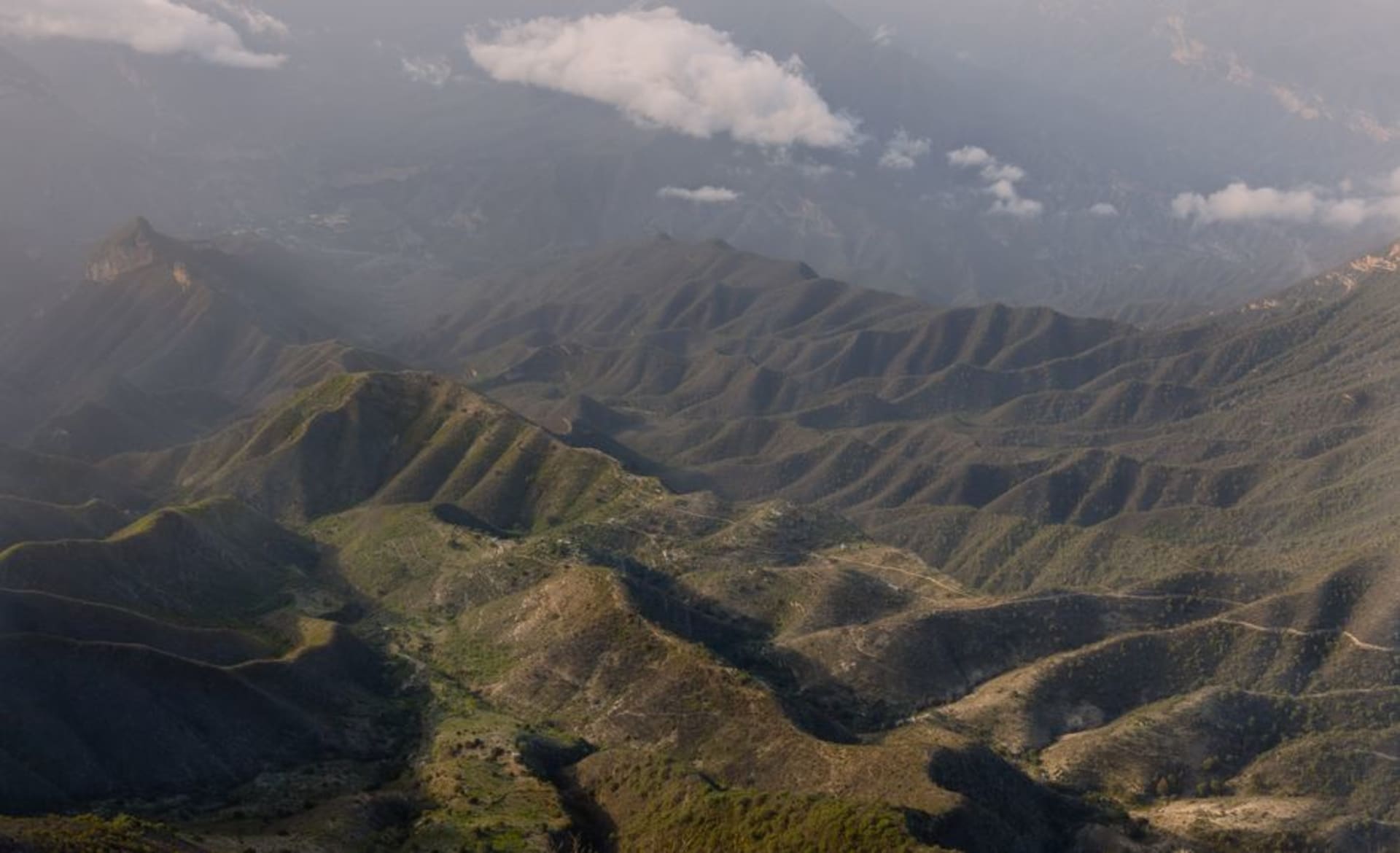
"The mountains here do not perform for anyone. They just stand. It took me a few days to stop expecting them to."
I drove to Huachinera on a road that kept running out of other cars. Eastern Sonora empties as you climb into the Sierra Alta, the desert folding up into serious mountains, and by the time I dropped into the Río Bavispe valley I had not seen another vehicle in an hour. The village sat below me — adobe walls, a church tower, a line of green cottonwoods marking the river — a small human thing in an enormous landscape, and I remember stopping the truck just to listen to how quiet it was.
Adobe, River, and the Mission Church
Huachinera is a ranching town and looks it: low adobe houses the color of the ground they stand on, corrals, horses, men in worn hats who lift two fingers off the wheel as they pass. At the center is a mission-era church, plain and thick-walled, a survivor of the long Jesuit and Franciscan effort to hold this frontier. I sat in its cool interior in the middle of the day, the only person there, dust turning in a shaft of light.
The river is the reason the town exists. The Bavispe runs green and cold through the valley, lined with cottonwoods — álamos — whose leaves were just turning when I visited, and I walked its bank in the late afternoon while cattle came down to drink. After the dry immensity of the surrounding sierra, that thread of water and shade felt like a small miracle, which of course it is.
Gerónimo’s Country
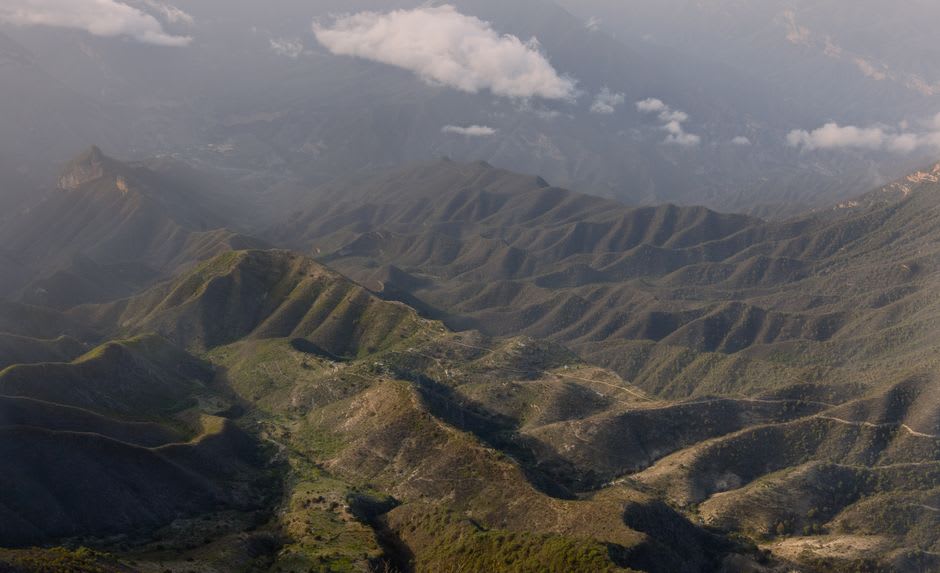
You cannot be in this valley long without feeling the history in it. This is Apache homeland — the Sierra Madre strongholds from which Gerónimo and his people fought their long resistance, moving through these very mountains and canyons on both sides of the border. An old man in the village, when I asked, pointed east toward the ridgelines and said, simply, that Gerónimo had walked those mountains, and that his own grandfather had stories. He did not offer them, and I did not push.
I spent an afternoon just looking at the sierra with that in mind, and the landscape rearranged itself. The remoteness that makes Huachinera hard to reach is exactly what made these mountains a fortress. Standing there, it was easy to understand how people who knew this country could vanish into it.
The Quiet You Have to Earn
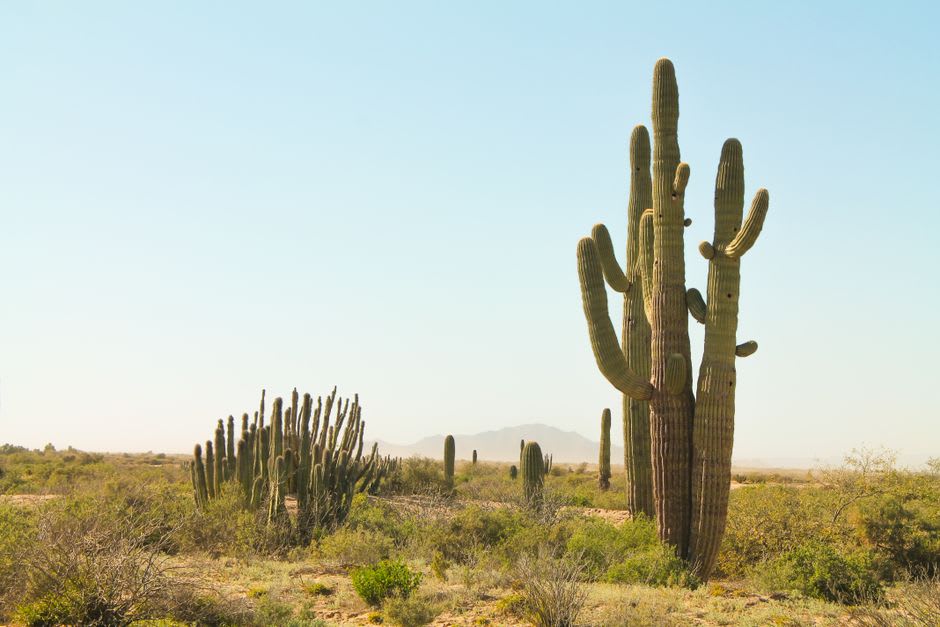
Huachinera does not entertain you. There is no plaza full of vendors, no monolith, no famous dish waiting on a comal. What there is, is a kind of quiet I have found almost nowhere else in Mexico — a village at the edge of the road, at the edge of the map, where the loudest thing at night is the river and the occasional dog.
I ate carne asada in a family’s yard, cooked over mesquite, the beef from an animal that had lived on the slopes above town. We talked about rain, and cattle prices, and how few strangers come through. When I lay down that night under a sky absolutely crowded with stars, I felt the specific satisfaction of being somewhere that took real effort to reach, and asked nothing of me once I got there except that I slow down.
Getting There
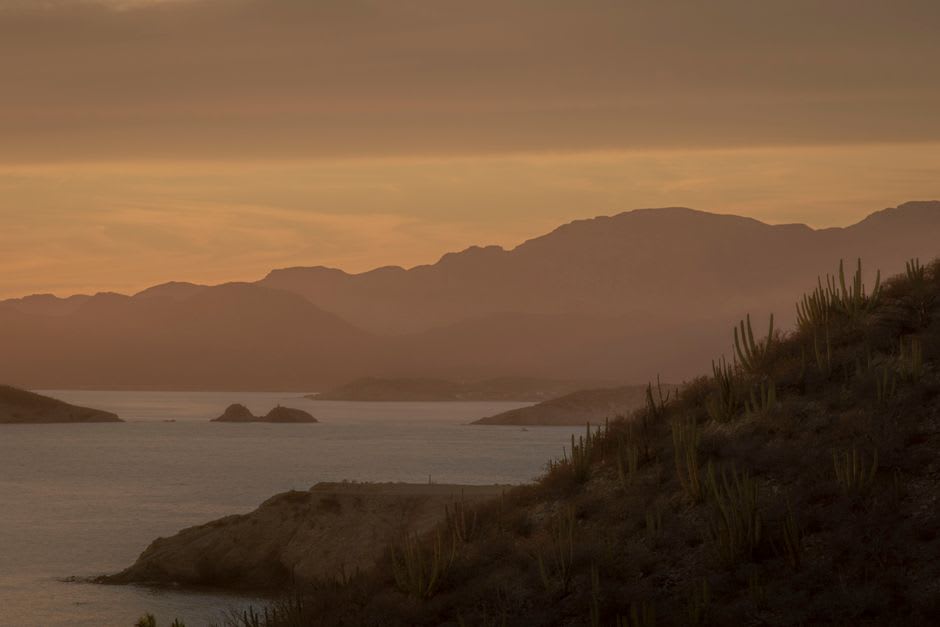
Huachinera is deep in the Sierra Alta of eastern Sonora, near the Chihuahua border — a long, mostly paved but slow mountain drive from Agua Prieta or Nacozari, several hours through increasingly remote country. There is no easy bus; a vehicle is essentially required, and a full tank before you leave the last real town is wise. Come with time, come self-sufficient, and let the emptiness be the point.