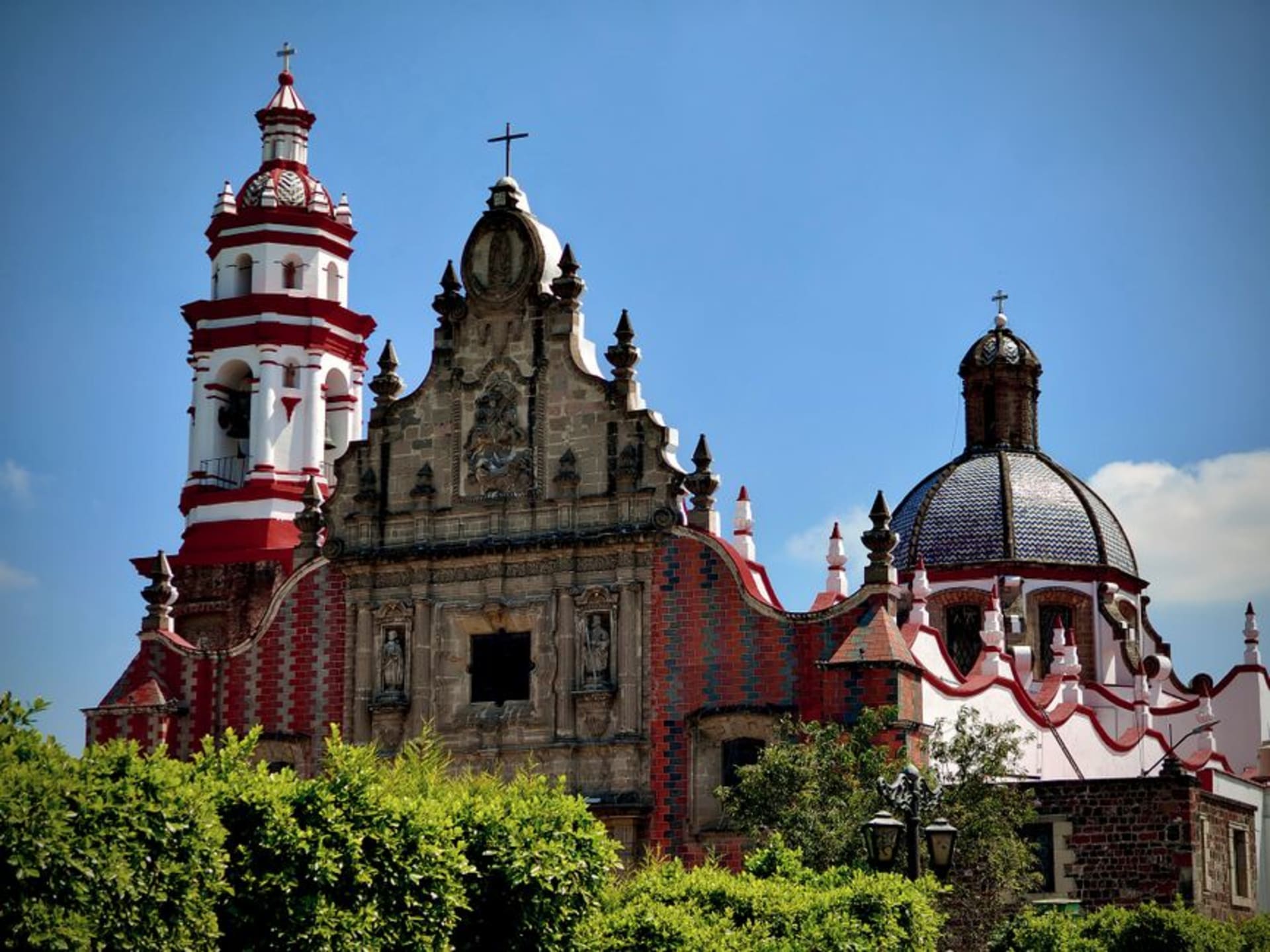
San Ignacio Sinaloa
"The caretaker lit one more candle than necessary and told me the building had survived two floods and a revolution — it looked it, and all the better for it."
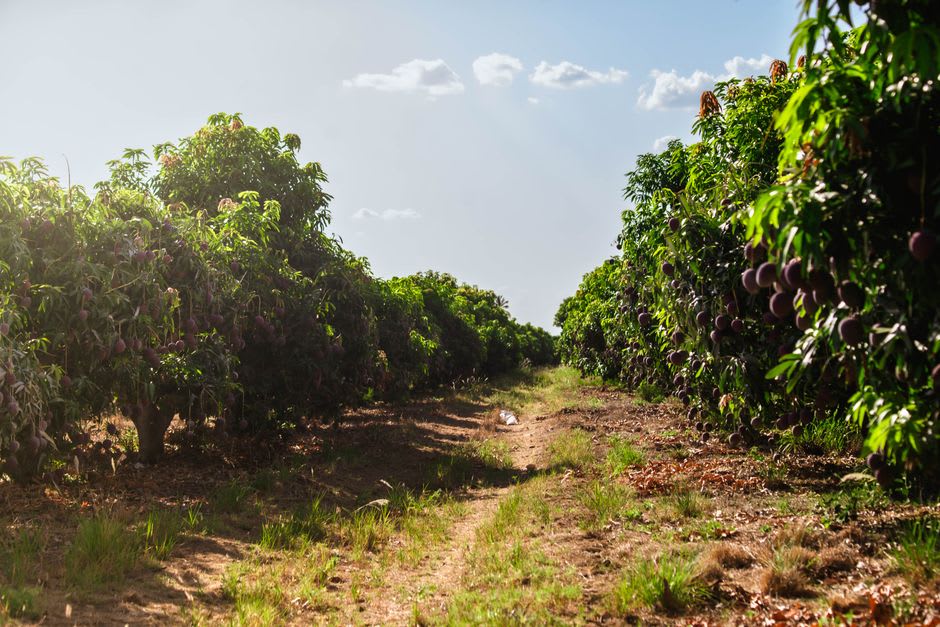
I drove up from Mazatlán on a Thursday afternoon with no particular agenda — just a tip from a Mazatleco friend who said the church alone was worth the hour north on Highway 15. He wasn’t wrong, but what I hadn’t expected was the weight of the place. San Ignacio Sinaloa sits where the Sierra Madre begins to relax toward the coastal plain, and the combination of heat, mango orchards, and colonial silence does something to your sense of time. I parked on Calle Juárez, walked to the plaza, and sat on a bench far longer than I’d planned.
The Church That Shouldn’t Be Here
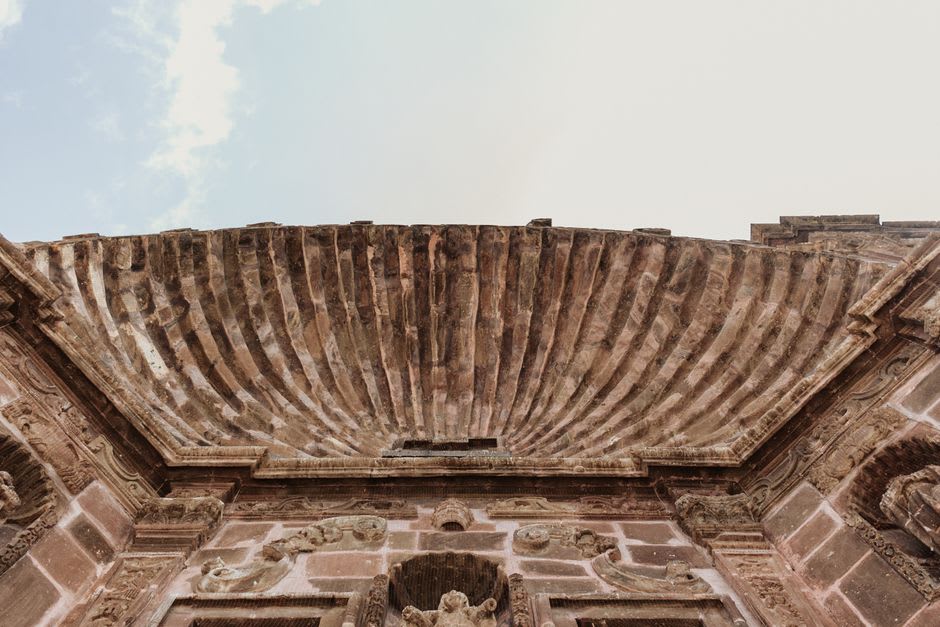
The Parroquia de San Ignacio de Loyola is the kind of building you spend a full minute convincing yourself is real. The facade — cream-white stone, baroque-meets-neoclassical, pilasters climbing three stories toward a squared tower — sits at the top of a short rise above the zócalo as though designed to make the surrounding foothills feel small. Completed in the late eighteenth century, the interior is quieter than the exterior promises: cool, dim, lit mostly by votive candles. The caretaker let me wander. At one point he lit one more candle than necessary and told me the building had survived two floods and a revolution. It looked it, and all the better for it. The stone along the lower walls still carries a faint tidemark from the 1926 inundation, and nobody has seen fit to sandblast it away. Outside, the atrium is ringed by old bougainvillea and a pair of royal palms that have been there long enough to stop being decorative and start being structural.
Older Marks in the Sierra
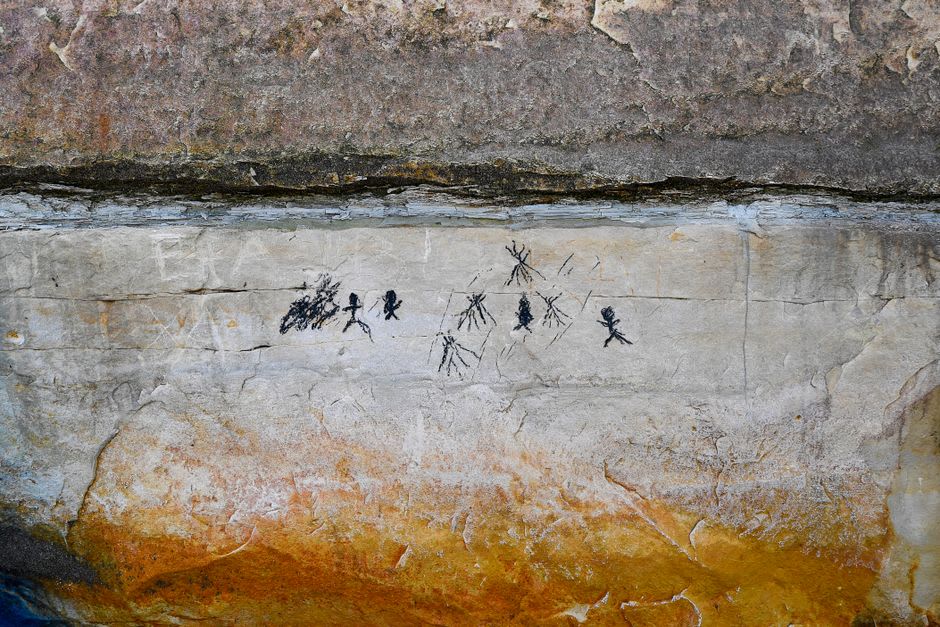
Most visitors who make it to San Ignacio do not venture any farther — a reasonable choice if you have only an afternoon, and a loss if you can spare more time. The Sierra Madre foothills above town hold rock art attributed to the Yoreme, painted on limestone outcrops in sheltered ravines. Access requires a local guide arranged through the Presidencia Municipal; the path is not signed and is dry and rocky in any season. The images are spare — deer, hand silhouettes, geometric forms in ochre and dark red that have held their color against decades of direct sun. The site I was taken to sits above a small arroyo that runs in the wet months; in the dry season the streambed is chalk-white gravel. There are no interpretive panels. The guide, a man from the ejido above town, knew more than any brochure would have.
The Plaza at Six in the Evening
By late afternoon the plaza belongs to San Ignacio’s residents in the best possible way. A woman on Calle Zaragoza sells champurrado from a clay pot starting around five — thick, barely sweet, made with local cacao. The mercado municipal a block north carries fresh mango, chilorio sealed in cloth bags, and dried shrimp in quantities that remind you the coast is close. I ate at a table outside a no-name spot near the presidencia: caldo de res with fresh tortillas, then a capirotada that arrived uninvited and was better than anything I’d ordered. The town does not perform for visitors. That, as much as the church, is why I stayed until dark.
Getting There
San Ignacio Sinaloa sits roughly 80 kilometers north of Mazatlán on Federal Highway 15 — the exit is signed but easy to miss at speed, so slow down after El Rosario. By bus, take any northbound first-class service from Mazatlán’s Central de Autobuses and ask the driver to drop you at the San Ignacio libramiento; a mototaxi will cover the last stretch into the plaza. There is no large hotel in town; Mazatlán is the sensible base.