
La Noria
"La Noria huaraches are the kind of craft object that makes you reconsider your entire relationship with shoes — I came back with four pairs and felt nothing but logic about it."
The colectivo drops you at the edge of the plaza without ceremony, and for a moment you just stand there recalibrating. Mazatlán — its malecón, its noise, its perpetual hum of tourism — is forty-five minutes behind you, but it feels like forty-five years. La Noria occupies a dry valley ringed by low hills, its colonial church pale yellow in the late morning light, its streets holding the kind of silence that only settles where nobody is performing for anybody. I had come for the sandals. I stayed for everything else.
Leather That Takes Its Time
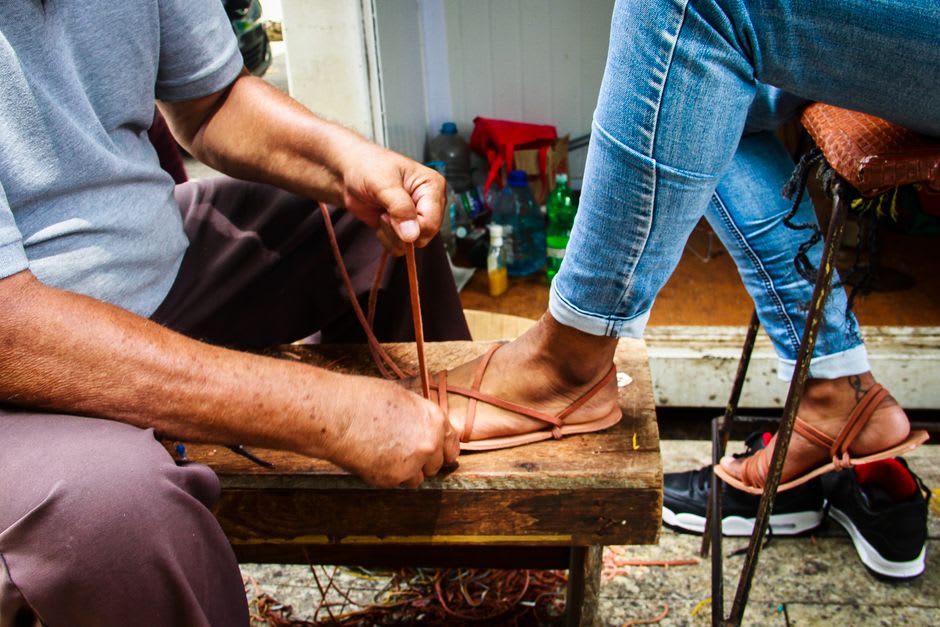
The huarache workshops begin almost at the plaza’s edge and continue down the main street in a loose corridor of open doorways and the smell of raw cowhide. Inside each one, men and women cut, punch, weave, and stitch with a speed that looks casual until you watch closely enough to see it isn’t. The soles here are built from tire rubber — the old way — layered and trimmed by hand. The strapping is vegetable-tanned, soft enough by the time it reaches your foot that there is almost no break-in period to speak of. I spent an hour at a workshop on Calle Benito Juárez watching a craftsman braid a double-strap gladiator sole and left with two pairs I hadn’t planned to buy. Each one is adjusted to a specific foot on the spot. The prices are so disarmingly low that spending more feels like a moral correction rather than an indulgence. They will outlast most things you own, and they will look better doing it.
Mezcal From a Different Geology
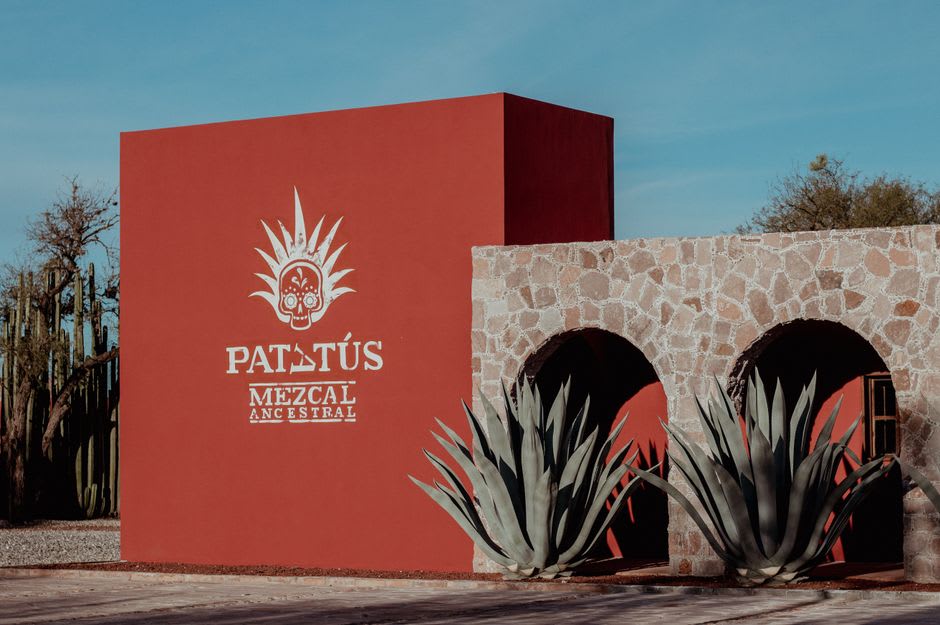
The mezcal made in La Noria does not taste like the mezcal from Oaxaca, which is the reference most people carry. It tastes older, drier, more mineral — the agave grows in volcanic soil that leaves something in the spirit, a stone-dust quality that stays on the palate long after the glass is empty. The distilleries are not distilleries in any commercial sense: they are backyards with clay pots and copper tubing and people who will pour you a small glass without preamble. I found one down a side street behind the church, offered by a woman who had been making it the same way since her father taught her, using agave she had grown herself. There was no label. There was no price until I asked. I bought two liters in recycled water bottles and considered them among the better purchases of the year.
The Plaza After Noon
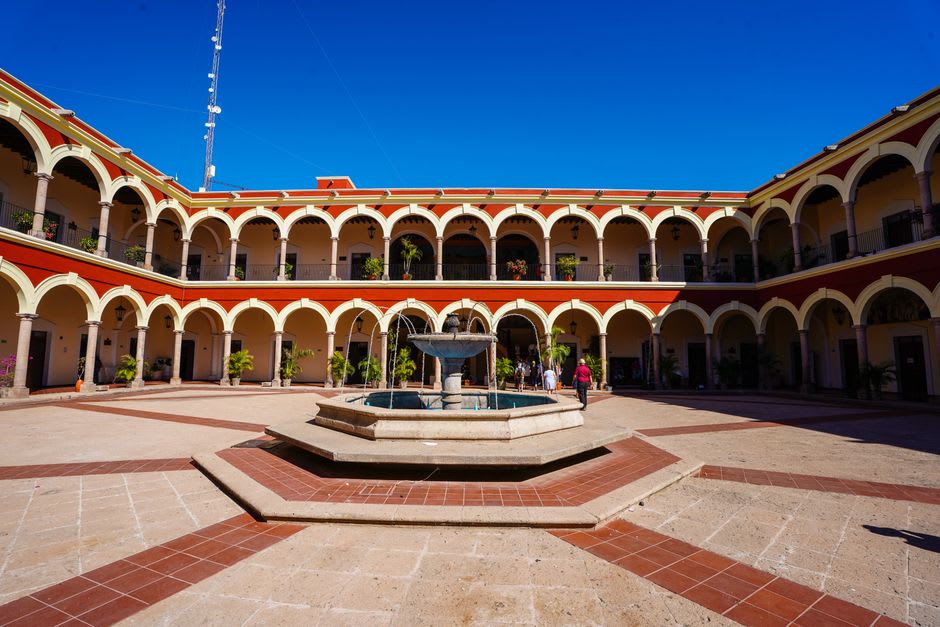
By midday the plaza belongs to vendors selling agua de jamaica and tamales steamed in banana leaves. There is a small taquería near the church that makes aguachile norteño — sharper and more herb-forward than the coast variety — and a woman who sets up a table of cajeta-filled empanadas around eleven and is reliably sold out by one. La Purísima Concepción, the church, dates to the eighteenth century and is worth five quiet minutes inside. The town is small enough to walk entirely in an hour. That is not a limitation.
Getting There
Colectivos for La Noria leave from Mercado Pino Suárez in Mazatlán throughout the morning, with frequency dropping sharply after noon. The ride costs around thirty pesos and takes forty to fifty minutes depending on stops. Return transport becomes unreliable after three in the afternoon — plan around that, or budget roughly two hundred pesos for a taxi back to the city.