Cosalá
"The owner of the guesthouse showed me photographs of the town in 1942. It looked exactly the same."
The drive up from Mazatlán takes three hours on a road that climbs steadily into the Sierra Madre Occidental, and the landscape changes so gradually that you almost don’t notice it happening until you’re in the middle of it: the coast gives way to dry scrub, the scrub gives way to thorn forest, the thorn forest gives way to pine and oak and the cooler, damper air of the mountains. By the time I pulled into Cosalá it was early evening and there was woodsmoke in the air and the temperature had dropped enough that I reached into my bag for a layer I hadn’t needed in weeks.
This is the microclimate that the people of the sierra talk about with quiet pride — tropical mountain air, warm days and genuinely cool nights, vegetation that has nothing in common with the Pacific coast an hour’s drive below. Mango trees grow alongside pine trees here. The vegetation is lush in a way that Sinaloa’s coastline, for all its beauty, never quite is.
Silver and Stone
Cosalá was founded in 1562, which makes it one of the oldest Spanish settlements in northwestern Mexico. The Spanish didn’t come here for the mountain air. They came for the silver.
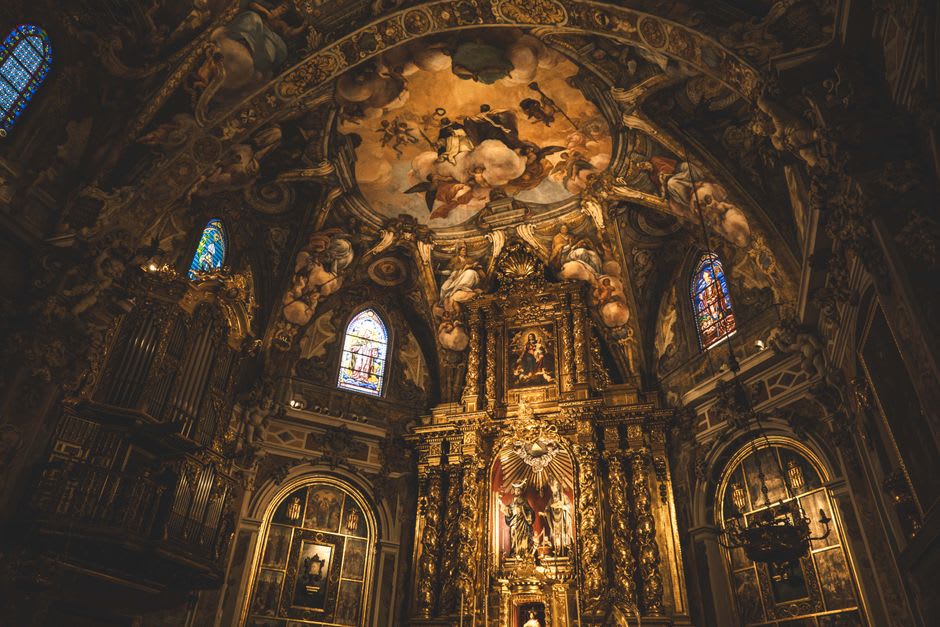
The mining history is visible everywhere if you know where to look: in the colonial plaza, which is small and proportioned in the compact way of mining towns rather than the theatrical grandeur of trade capitals; in the surnames of the families who have been here for generations; in the architecture of the church of Santa Úrsula, which has a baroque altarpiece from the sixteenth century that has been standing in the same position while the rest of the world rearranged itself around it. I spent a while in that church on my first morning, letting my eyes adjust to the dim interior until the gilded altarpiece came into focus, and felt the familiar sensation of standing in front of something that was made for a completely different world than the one I’m living in.
The plaza itself is not reconstructed or curated for tourism. There are plastic chairs and a kiosk selling raspados. A man was sleeping on a bench in the shade. Children were doing something with a football that seemed to involve as little actual football as possible. This is what a colonial plaza looks like when it’s still operating as a colonial plaza — a public room for the town, used accordingly.
The Tamales and the Photographs
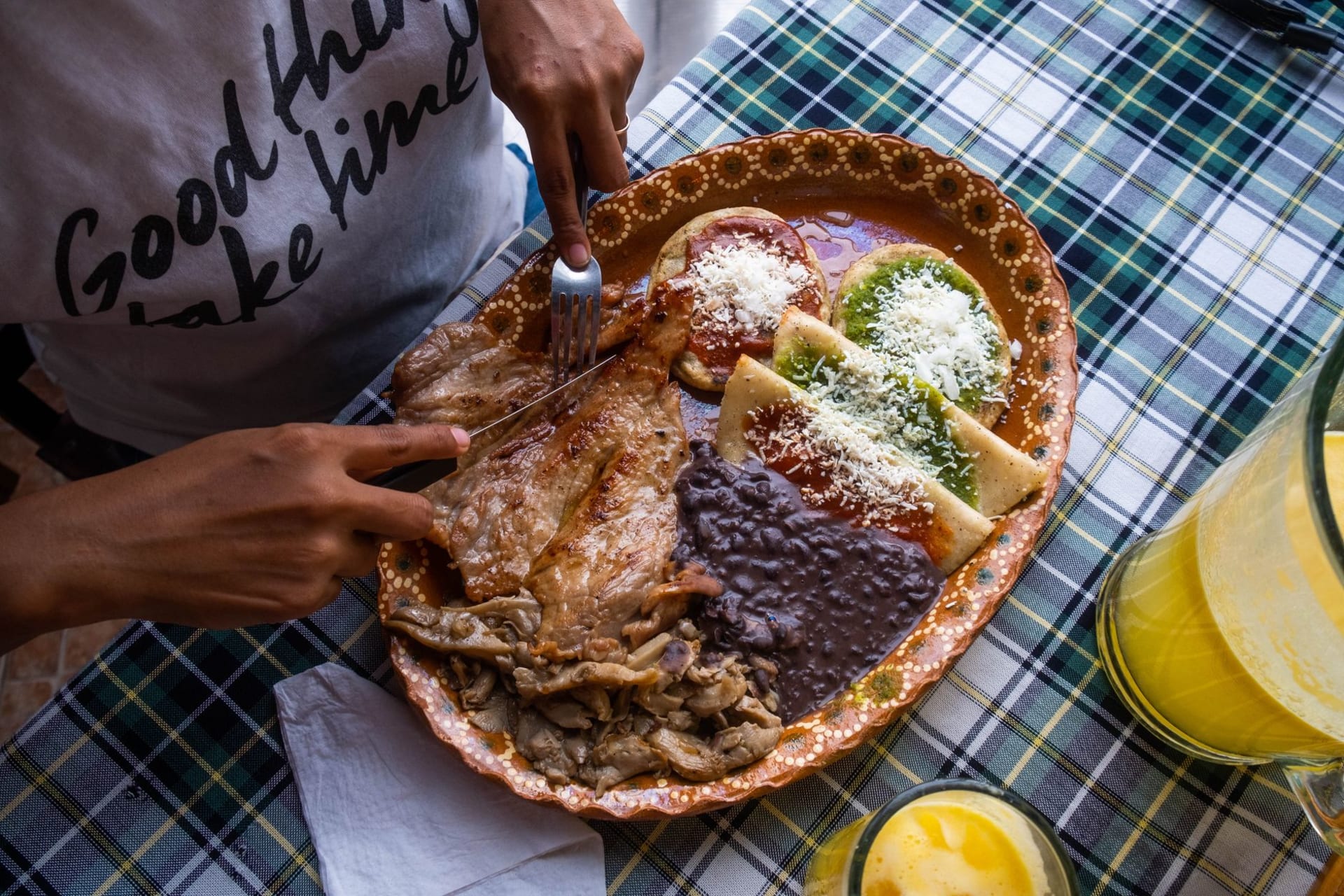
I stopped at a roadside puesto just outside of town for tamales de elote — fresh corn tamales, sweet and soft, wrapped in corn husks and steamed until they’re just slightly sticky at the edges. The woman who sold them was cooking over a wood fire in a structure that was partly open to the road, and the smell had been reaching me for about two hundred meters before I pulled over. I ate three of them standing up next to my car while the mountains darkened around me and a dog sat at a respectful distance and watched.
This is the food of the sierra — corn-based, straightforward, cooked on wood. In France, the idea of regional cuisine as something defined by altitude and specific local ingredients is something we understand intellectually but often experience as a culinary conceit. Here it’s just true. The food in Cosalá tastes different from the food in Mazatlán because it comes from a different world.
My guesthouse was a family home with two spare rooms, run by a woman in her sixties whose grandfather had worked in the mines. After dinner — a bowl of bean soup with dried chile and fresh tortillas made at the table, the kind of meal that costs nothing and tastes like everything — she brought out a shoebox of photographs and showed me pictures of Cosalá taken in 1942. The church was the same. The plaza was the same. The mountains in the background were the same. The main difference was the clothing and the quality of the road.
Getting There
The drive from Mazatlán takes about three hours on the toll road and then a state highway that climbs into the sierra. The road is paved and manageable in a normal car, though it gets twisty in the higher sections. There is no regular bus service that goes directly to Cosalá from the coast — you can get to the junction town of Elota and then figure out a local connection, but renting a car in Mazatlán is genuinely the better option here. Cosalá rewards the effort of having your own transport: the surrounding sierra has several swimming holes in the rivers, coffee-growing areas, and the ruined landscape of old mine workings scattered through the hills.

Stay at least one night. The town makes no particular demands on you — there are no must-see attractions beyond the church and the plaza and the simple fact of being in a mountain town that has been quietly occupied for four and a half centuries. Sometimes that’s exactly the point.