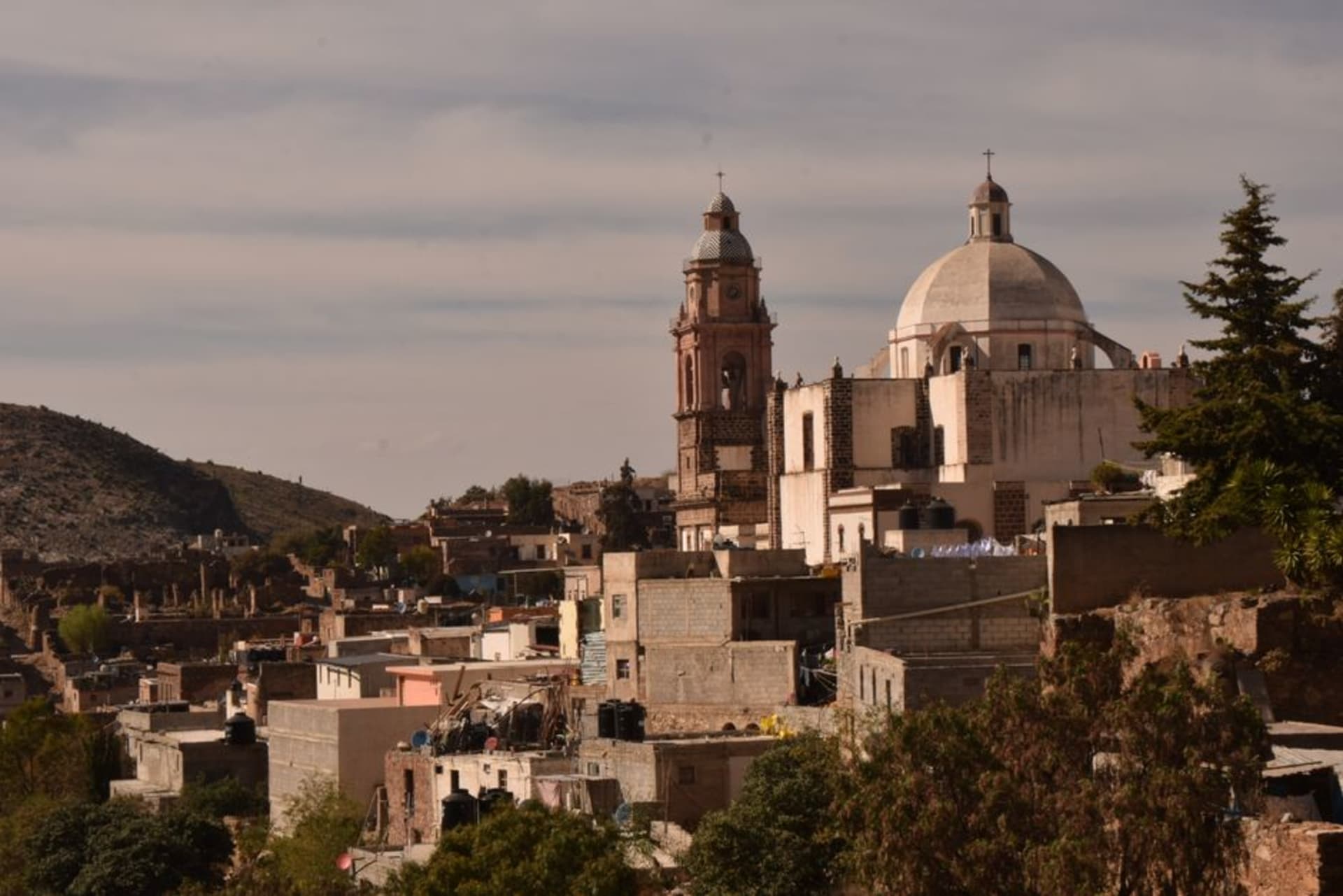
Armadillo de los Infante
"The plaza was empty at noon except for a man napping against the church wall. I sat on the steps and did the same."
The colectivo from San Luis Potosí dropped me at a crossroads that barely merited a sign. This was how I arrived in Armadillo de los Infante on a Thursday in January — not by design, exactly, but because I had seen the name on a map three days earlier and could not let it go. The town announces itself without ceremony: you turn a corner on the narrow empedrado and the church is simply there, too large for the circumstances, its stone catching the midmorning light at an angle that seems engineered for maximum effect. Nobody was watching. Nobody was selling anything. This, I understood quickly, was the entire point.
A Church Built for a Larger Ambition
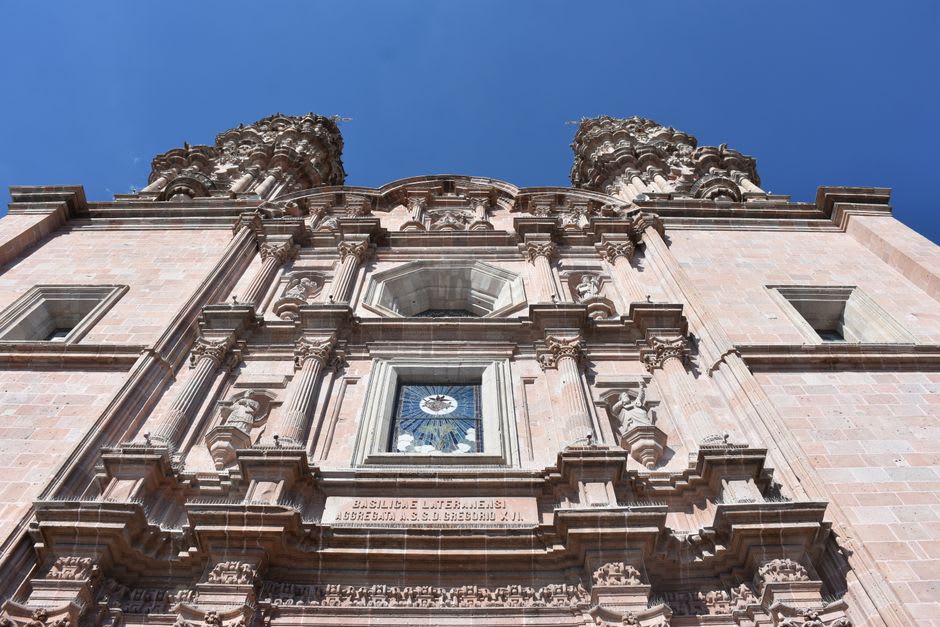
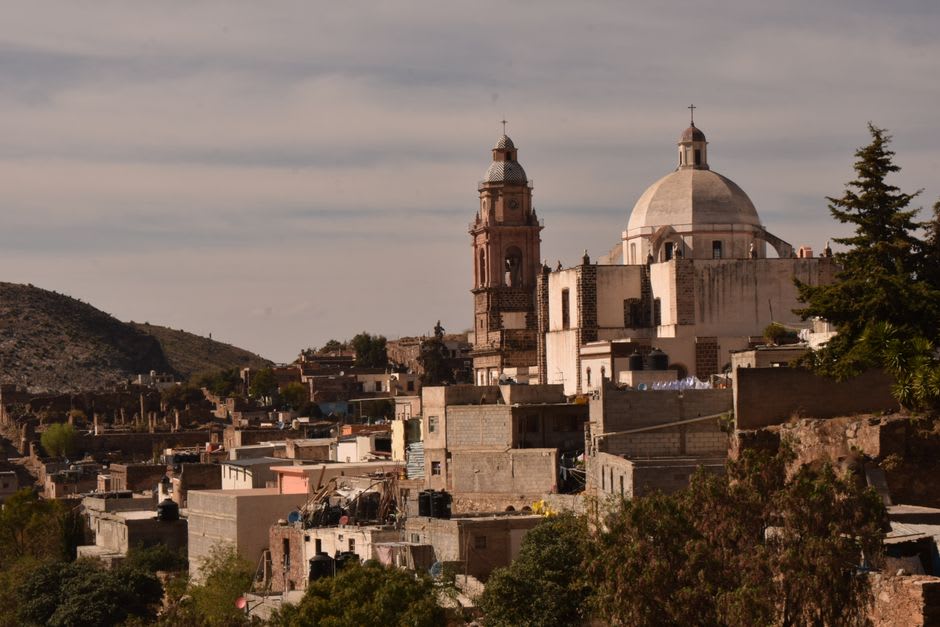
The Parroquia de Nuestra Señora de la Asunción went up in the 17th century, which means it has been standing here for roughly four hundred years, watching the hills. In the logic of colonial Mexico, a church this imposing in a town this small is not an anomaly — it is a statement of intent, the Spanish Crown staking faith to geography with the confidence of people who expected more to follow. What strikes me now is the proportion of it: the facade is baroque but restrained, two towers flanking the entrance, the stonework worn to a surface that catches and holds shadow in the afternoon in ways that photogenic ruins in Oaxaca charge entrance fees to replicate. The atrium is broad enough that the old tree at its center doesn’t crowd anything. I spent most of an afternoon on the church steps, which face west. At about four o’clock, three schoolchildren cut across the plaza at a diagonal. That was essentially all the activity I recorded.
One Comedor, No Sign
The thing nobody tells you about the Zona Media is that the food operates entirely outside the tourist register. There was a comedor on Calle Juárez with no sign I could make out, run by a woman who worked alone and had a fixed set of things she was making that day. I ate enchiladas potosinas — small folded tortillas stained deep red with chile ancho, filled with white cheese and served cool on a plate with shredded lettuce and sliced avocado, the crema’s acidity cutting cleanly through the chile. Alongside them, two gorditas, each stuffed with frijoles and chicharrón. The whole thing cost sixty pesos and she brought a clay cup of agua de Jamaica without my asking. Outside, on the corner, an older man was selling chapulines from a plastic tub. I bought a bag and we talked for a while about whether the rainy season this year had been worse than last. It had been worse than last.
How to Spend the Hours
Walk the streets between seven and nine in the morning, when the small bakery off the plaza is open and the market stalls along Calle Hidalgo are being arranged. Return to the plaza around five in the afternoon, when the shade reaches the benches on the south side and the light on the church turns the stone amber. If you have a car, the road that climbs southeast past the water tower and keeps going opens onto a view of the valley below that costs nothing and takes about ten minutes. The houses get smaller and the dogs get more interested in you and eventually you are standing on a hillside watching the shadow of a cloud move across the sierra at its own pace. That is more or less everything Armadillo asks of you.
Getting There
From San Luis Potosí city, Armadillo de los Infante is roughly 55 kilometers southeast — about an hour by car on the MEX-70 toward Rioverde. Colectivos leave from near Mercado República and reach the town plaza. The dry season, November through April, suits it best: clear skies, cold nights, quickly drying empedrado. There is no hotel in town; base yourself in SLP and come for the day, or ask locally about casas de huéspedes.