Muyil
"The canal carried us through the jungle without any effort on our part. I kept waiting for something to happen, and then I realized: this is it. This is the thing."
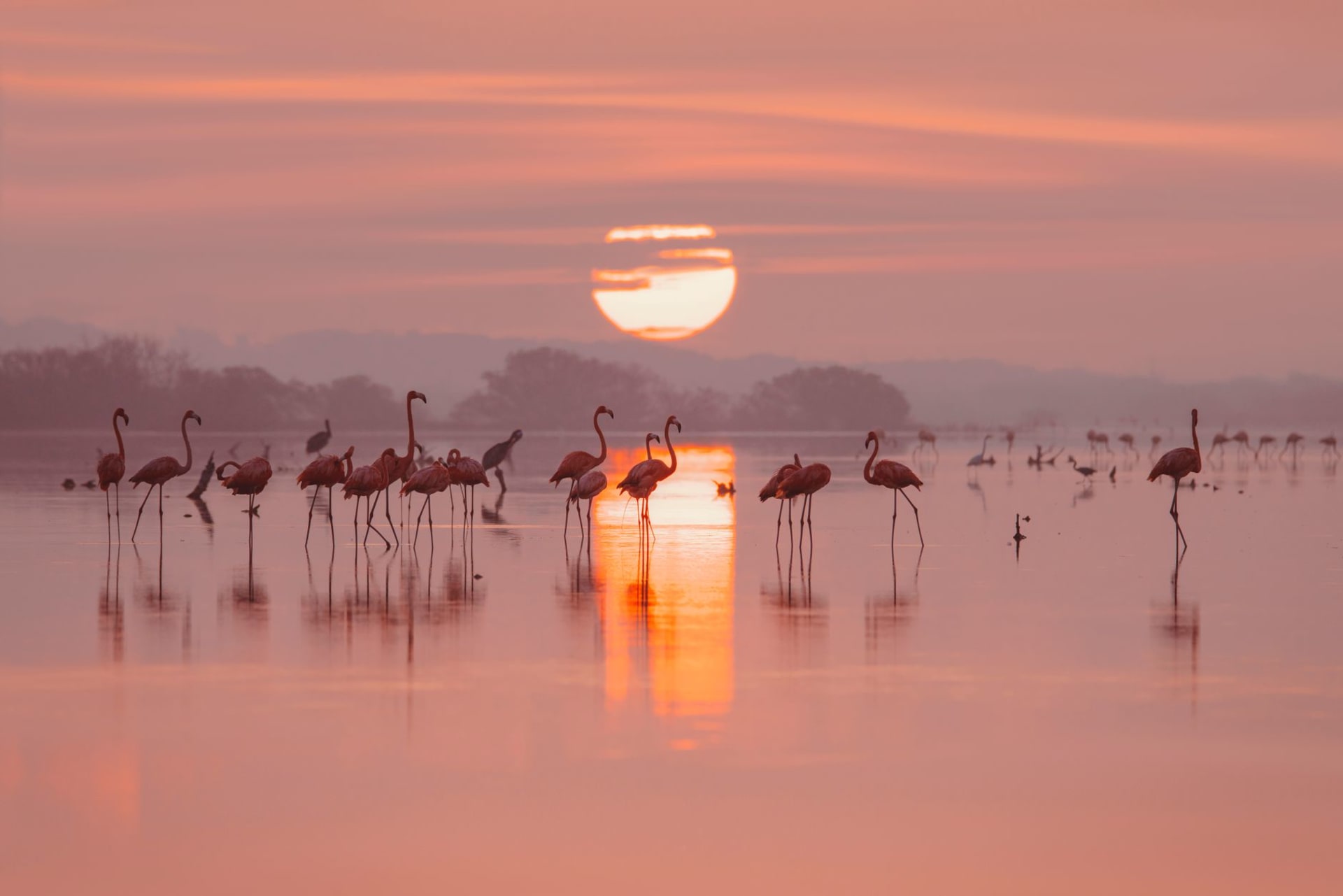
Muyil is 25 kilometers south of Tulum on a road that has not yet been colonized by cenote signs and boutique hotel billboards, though give it time. The site is small by the standards of the major Maya ruins — perhaps a dozen structures, the tallest being the Castillo at 17 meters — and the archaeological significance is moderate rather than exceptional. What is exceptional is the setting: the ruins sit on the edge of the Sian Ka’an Biosphere Reserve, and from the observation platform above the Castillo you look out over a continuous green expanse of jungle and lagoon that runs, protected, for 5,000 square kilometers south and west toward Chetumal. No roads. No buildings. Just the canopy and the water behind it.
I came twice. The first time I arrived at 10am and it was already warm and I shared the site with a tour group from Playa del Carmen. The second time I arrived at 6am, before the gates officially opened, and walked in when the guard — a young man who had clearly been expecting no one this early — waved me through with an expression of mild surprise. That second time was the right one.
The Site at Dawn
The Castillo is the main structure: a solid pyramid of the Petén style, broad at the base, narrowing to a small temple at the top that has a distinctive round tower — unusual in Maya architecture, found here and at a few other sites. The climb is steep and the stone is rough in the way that un-restored Maya ruins are rough, which I prefer to the reconstructed staircases at Chichén Itzá. At the top, in the early morning, you are above the canopy of the surrounding jungle.
At 6am there was mist in the trees. Not a thick fog but a diffuse moistness that sat in the lower canopy and filtered the light so that the Castillo’s stone appeared to be slightly luminous, the way stone does when it’s been wet all night and is drying unevenly. The howler monkeys announced their presence before I saw them — that sound, which visitors always describe as a roar but is more accurately a sustained groan, a bass frequency that seems to come from the ground rather than from any animal — and then I saw them moving in the ficus trees on the northwest edge of the site, four of them, black shapes against the lighter sky.
I sat at the top of the Castillo for a long time. No one came. The guard was presumably at the entrance. The howlers moved through the canopy and went quiet. The mist began to lift. Below me, the jungle ran to the lagoon and the lagoon ran to the horizon and there were no interruptions in any of it.
The Canal Float
The canal system is the other reason Muyil exists as a destination. The Maya cut channels through the mangrove and jungle connecting the archaeological site to a series of lagoons that open eventually into the Bahía de la Ascensión, part of the Sian Ka’an system. The channels are ancient — the Maya used them for trade and transport, connecting inland sites to the coast — and are now used for guided floats.
The standard procedure: the guide takes you by boat down the main channel to a point where the current is strong enough to carry you, then you get in the water and the current does the work. You float on your back, or upright if you prefer, through a corridor of mangrove and jungle. The walls are green on both sides, the water is the specific amber color of tannin-rich jungle water, the sky is a strip above you. The current is gentle but consistent. You travel maybe a kilometer in twenty to thirty minutes and arrive at the lagoon.
I don’t usually enjoy guided aquatic experiences. They tend toward the managed and the narrated. But the float down this canal is different because narration is impossible — once you’re in the current the guide is behind you or in front and there’s no logical moment for explanation, so you are simply inside the experience of the canal without anyone telling you what to think about it. The sound is water movement and birds and wind in the mangrove. The light shifts as clouds pass over. At one point a dark bird — a cormorant, I think, though I was looking up and couldn’t be sure — crossed the strip of sky above us with slow wingbeats and that was the most distinct event of the float.
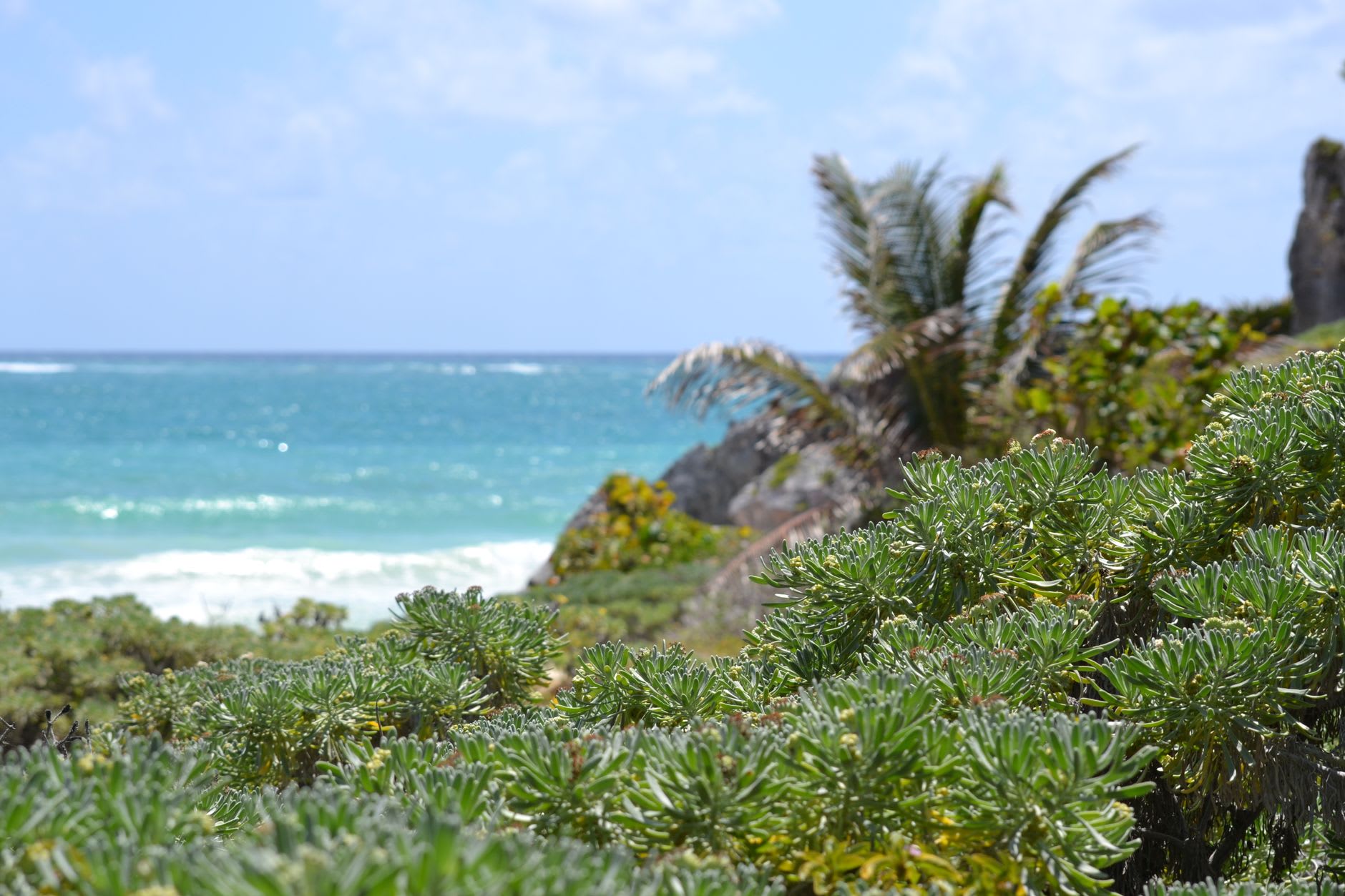
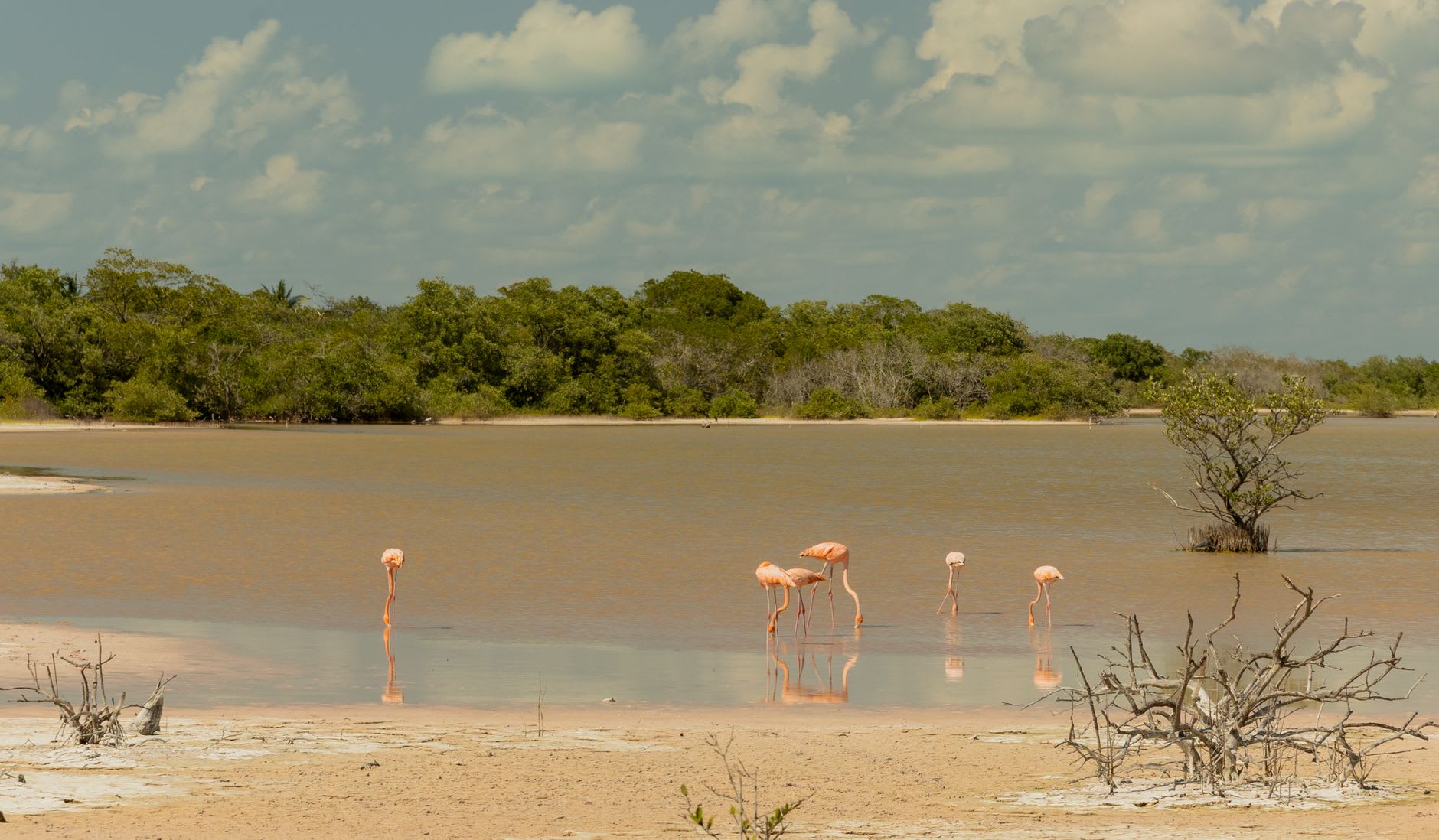
At the lagoon at the end, the water opens out and the color changes from amber to a clear light blue-green, and you can see the bottom, and the Sian Ka’an stretches away in every direction. The guide pointed to a distant shape in the water that was, he said, a crocodile. It was far enough away that this was more reassuring information than alarming.
The Logistics of Arriving First
The site opens at 8am officially, but arriving at 6am is something the guards generally accommodate for a small additional fee — around 50 to 100 pesos. Go alone or with one other person; a group of six at 6am defeats the point of 6am.
The canal float requires a guide and is arranged at the ticket booth or through tour operators in Tulum. It can be done as an addition to visiting the archaeological site, which takes about 45 minutes to an hour for the ruins themselves. The combined ruins-plus-float tour runs two to three hours total.
The access road to Muyil is Highway 307 south from Tulum — the town of Muyil is about 25 kilometers south of the Tulum ruins. Collectivos (shared vans) run this route from Tulum’s ADO terminal; tell the driver Muyil and he’ll drop you at the access road, which is a short walk from the entrance. By car it’s a straightforward drive.
The site has almost no services — a small parking area, a ticket booth, a bathroom. Bring water. Bring mosquito repellent, especially if you’re doing the canal float. The Sian Ka’an mosquito situation in the wet season (June through September) is not trivial and is most aggressive in the mangrove and canal areas. Early morning at the ruins, you’re primarily dealing with the howler monkeys, which have no interest in you and will ignore you completely, which is the correct posture toward howler monkeys in any case.
What Muyil has that the larger sites don’t is the particular quietness of something that hasn’t been fully absorbed into the tourist circuit — not because it isn’t accessible, because it is, but because most people going to Quintana Roo are not going to a small jungle site an hour south of Tulum. Their loss, arranged to your advantage, for now.