Zautla
"Here the mountains are so steep the fields seem to hang from them, and every house sends up its thread of smoke into the fog."
I was invited to Zautla, which is the only reason I went — you do not simply stumble onto it. A friend from Puebla whose family roots run into these mountains offered to take me for a weekend, and I said yes without quite understanding what I was agreeing to. The road climbed and climbed and then stopped pretending to be a good road, narrowing to a ribbon of asphalt and then gravel switchbacking up slopes so steep I couldn’t see how anyone farmed them, and yet they were farmed, every viable inch of them, coffee and apples and milpa clinging to gradients that would frighten a goat. We arrived in fog, to the smell of woodsmoke and wet earth, and I understood that I had come somewhere genuinely remote.
Zautla is a scattered municipality of Nahua villages in the folds of the Sierra Norte de Puebla, far from any tourist route. People here speak Nahuatl before Spanish in many households, live close to the land, and receive an outsider with a reserve that thaws slowly into real warmth. I went as a guest, and I have tried to write about it as one.
The Steep Green Slopes
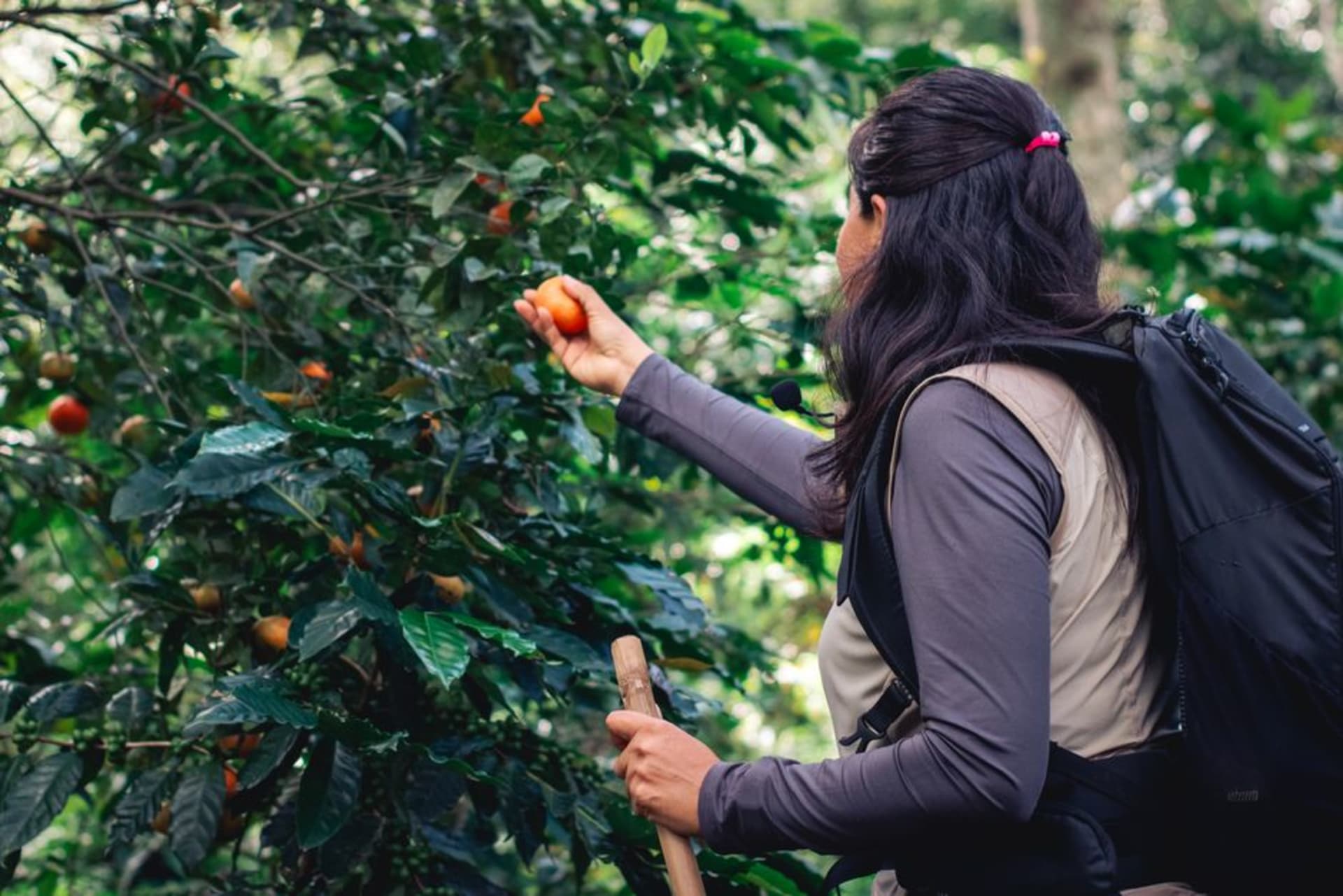
Nothing prepared me for the verticality. The land in Zautla does not roll — it plunges and rears, and the communities are spread across ridges and ravines connected by footpaths and rough tracks, each little cluster of houses tucked into whatever fold of mountain offered a foothold. Coffee grows in the shade of taller trees on the lower slopes; higher up, apples and temperate crops; and everywhere the milpa, the corn-and-beans-and-squash that has fed these mountains for millennia.
Fog is the constant companion. It pours up the valleys in the afternoon and sits overnight, and in the morning the whole world drips. Walking between houses I was perpetually a little cold, a little damp, and completely absorbed by how beautiful the wet green vastness was.
Coffee, Apples, and Woodsmoke
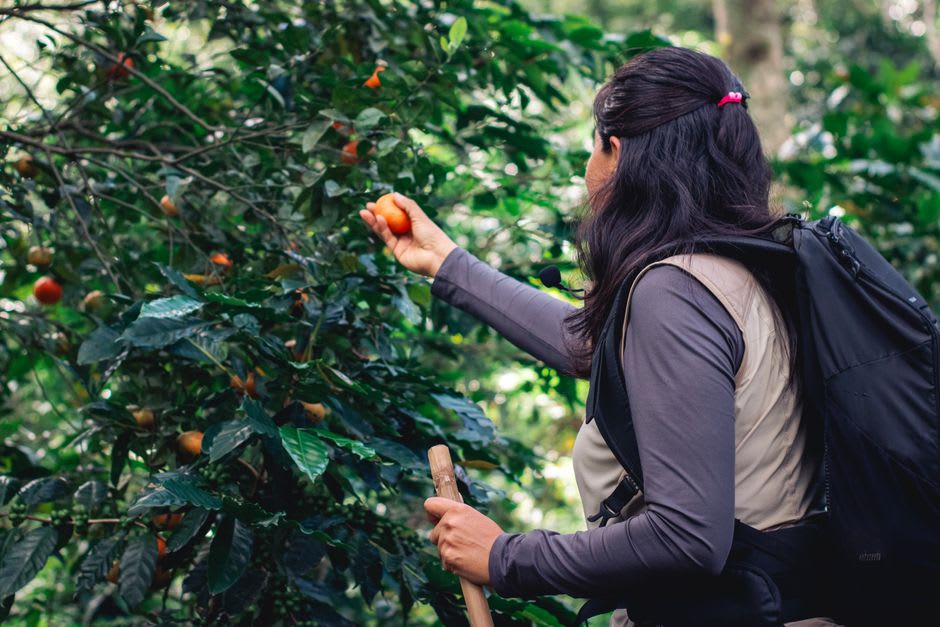
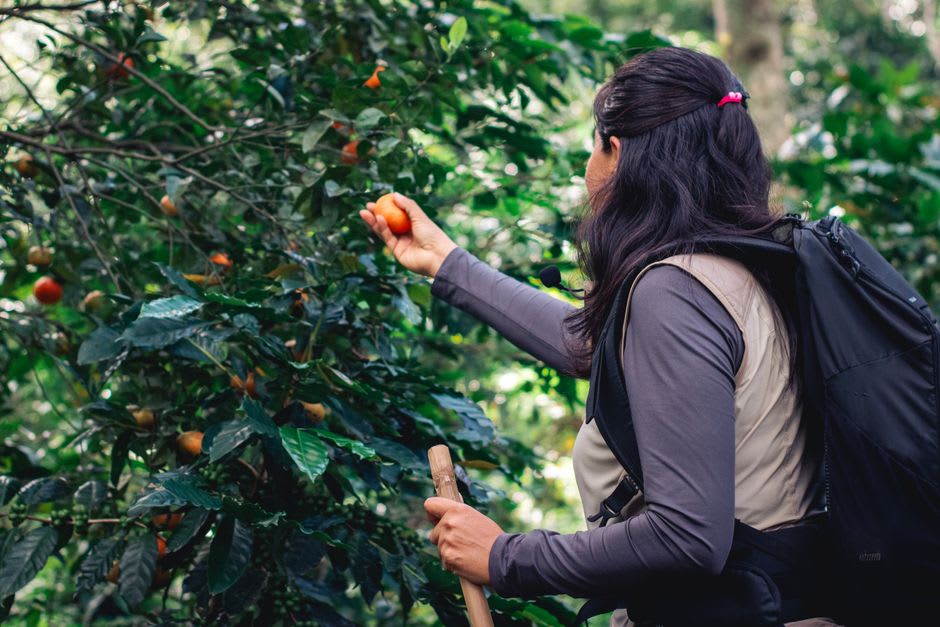
The coffee here is the real thing — smallholder, shade-grown, picked by hand by the families who own the trees, then pulped and dried in the yard and often roasted for home use over the same wood fire that cooks the tortillas. I was given a cup, dark and a little smoky, sweetened with piloncillo, and drank it on a doorstep watching the mist move. It was among the best coffees I have had in Mexico, and it never travels more than a few kilometers from where it grows.
Every kitchen runs on wood, and so the villages smell permanently of smoke — that resinous pine-and-oak smell that gets into your clothes and stays. Meals are simple and generous: tortillas made by hand on a comal, beans, a salsa hot enough to clear the fog from your head, and whatever the season and the slope provided.
Living Tradition
What stayed with me from Zautla was not scenery but a way of life still intact. This is Nahua country, and the old rhythms — the language, the communal work, the ceremonies tied to planting and harvest and the saints — are not performed for anyone. They simply continue, as they have, in a place too remote and too poor in the accountant’s sense to have been reshaped by tourism.
I was careful, the whole weekend, to remember that I was a visitor in someone’s home rather than a consumer of experience. That is the only honest way to be in a place like this. Come, if you can come respectfully, invited or with a local guide, and mostly come to listen. The mountains and the people will tell you more than any guidebook if you let them.
Getting There
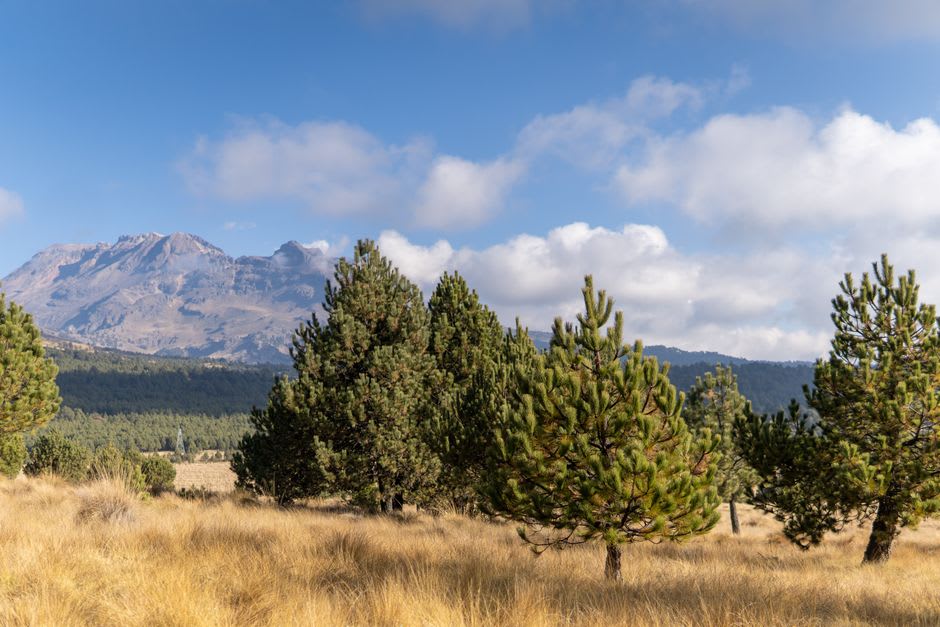
Zautla lies deep in the Sierra Norte de Puebla, reached by winding mountain roads north of the city of Puebla — figure three to four hours of driving, the last stretch slow and steep. There is little in the way of tourist infrastructure, so the realistic approaches are to come with someone who knows the area, arrange things through a community or NGO contact, or drive with patience and a full tank. Colectivos connect the municipal seat to larger towns down the mountain, but service is infrequent. Dress warm, tread lightly, and treat an invitation as the privilege it is.