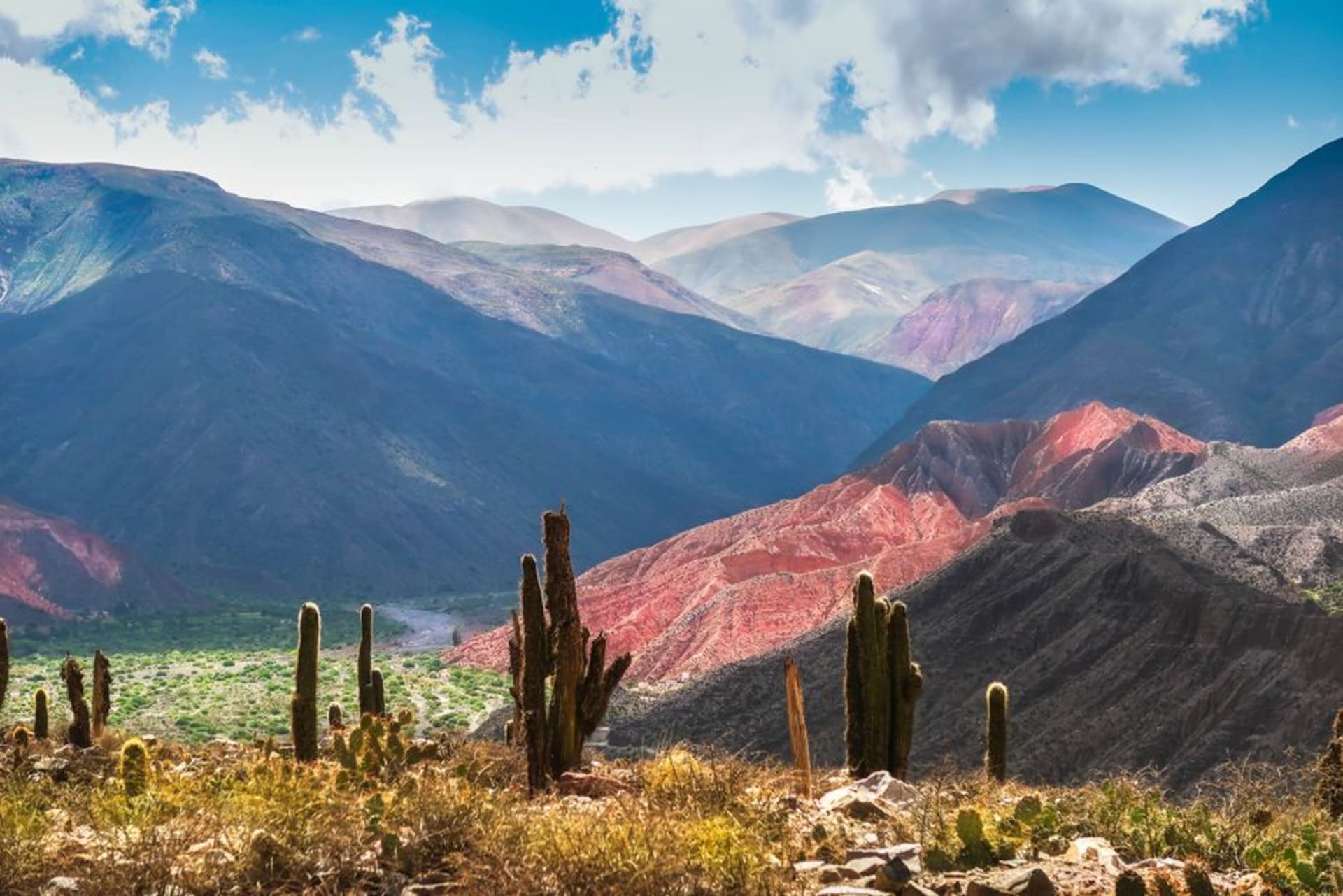
Zapotitlán de las Salinas
"The cacti are older than the concept of Mexico. Standing among them rearranges something in your sense of time."
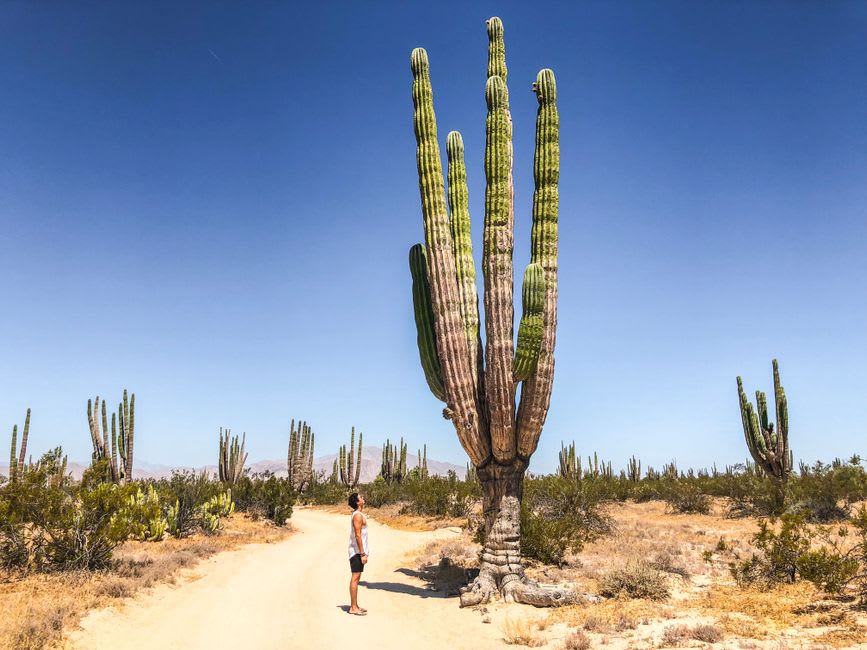
The combi from Tehuacán drops you at the edge of the valley just after noon, when the light has gone flat and white and every cactus throws a shadow straight down. I had been told the tetechos were tall. I had not been told they were that tall — columnar, spined, rising past ten meters across entire hillsides as though someone had decided a forest should grow here and simply chose different materials. My first thought, embarrassingly, was that they looked painted. My second thought was that I was going to spend considerably more time here than I had planned.
A Desert Made from Geological Time
The Reserva de la Biósfera Tehuacán-Cuicatlán covers over 450,000 hectares and holds one of the most biodiverse arid zones on the planet, but you do not feel statistics when you walk into it — you feel scale. The dominant species here is Neobuxbaumia tetetzo, the tetecho, which lives for centuries. Some of the columns on the ridges above town are estimated at two hundred years old. They predate Mexican independence, predate most of the churches in Puebla. Walking among them in the late morning is an exercise in recalibrating what you mean by recent. The trail that enters the reserve from the edge of town is undemanding — a few kilometers of pale dirt with no real altitude change — and the views back across the valley floor, with the salt flats catching white light in the middle distance, are exactly the kind of thing that stops you mid-step without warning.
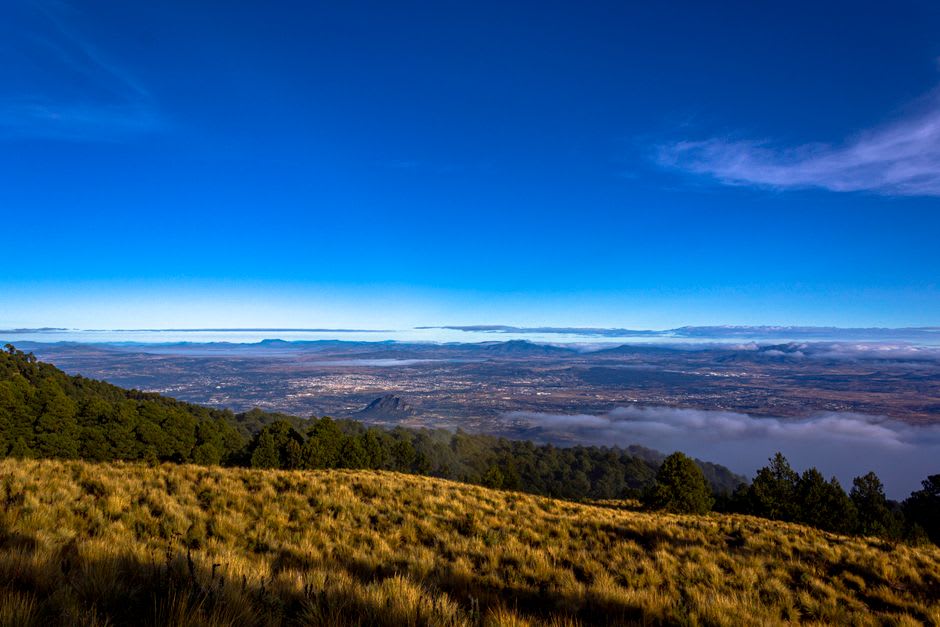
When This Was the Bottom of a Sea
The thing that reconfigures everything else is the Museo Paleontológico de Zapotitlán, a small regional museum on the main street holding an improbable collection of marine fossils pulled from the surrounding hills — ammonites, sharks’ teeth, ray plates, fish bones, all from the Cretaceous period, when this valley sat beneath open water. The museum is not large and the signage is modest, but if you arrive on a weekday morning there is usually a curator who will walk you through the cases and explain what each specimen tells you about the sea that once covered this exact ground. I spent an hour and a half there, which is more than I manage in most museums in major cities. Afterward I sat on the plaza with a michelada and tried to reconcile the fossil fish I had just seen with the cactus forest visible two hundred meters up the slope. That cognitive dissonance is, I think, the whole point of coming.
Salt, Pulque, and the Afternoon
The town’s name announces its other industry: salt has been extracted from these flats since before the Spanish arrived, and a few family operations still work them. Ask around the plaza and someone will point you toward who is producing. For food, the covered market off the main square serves mixiotes de pollo and tlayudas de frijoles, both made to order and both better than the surroundings suggest. There is a pulquería two blocks east of the church that opens at ten in the morning and serves curado de guayaba worth making room for. Plan to eat before two — most places fold up by mid-afternoon and the valley empties out fast once the school day ends.
Getting There
Combis leave regularly from Tehuacán’s central bus terminal — forty-five minutes, around forty pesos. Tehuacán is two hours from Puebla city by ADO first-class bus departing from CAPU. There are no hotels in Zapotitlán itself, so most people base in Tehuacán and come for the day. Arrive before ten if you want the museum to yourself.