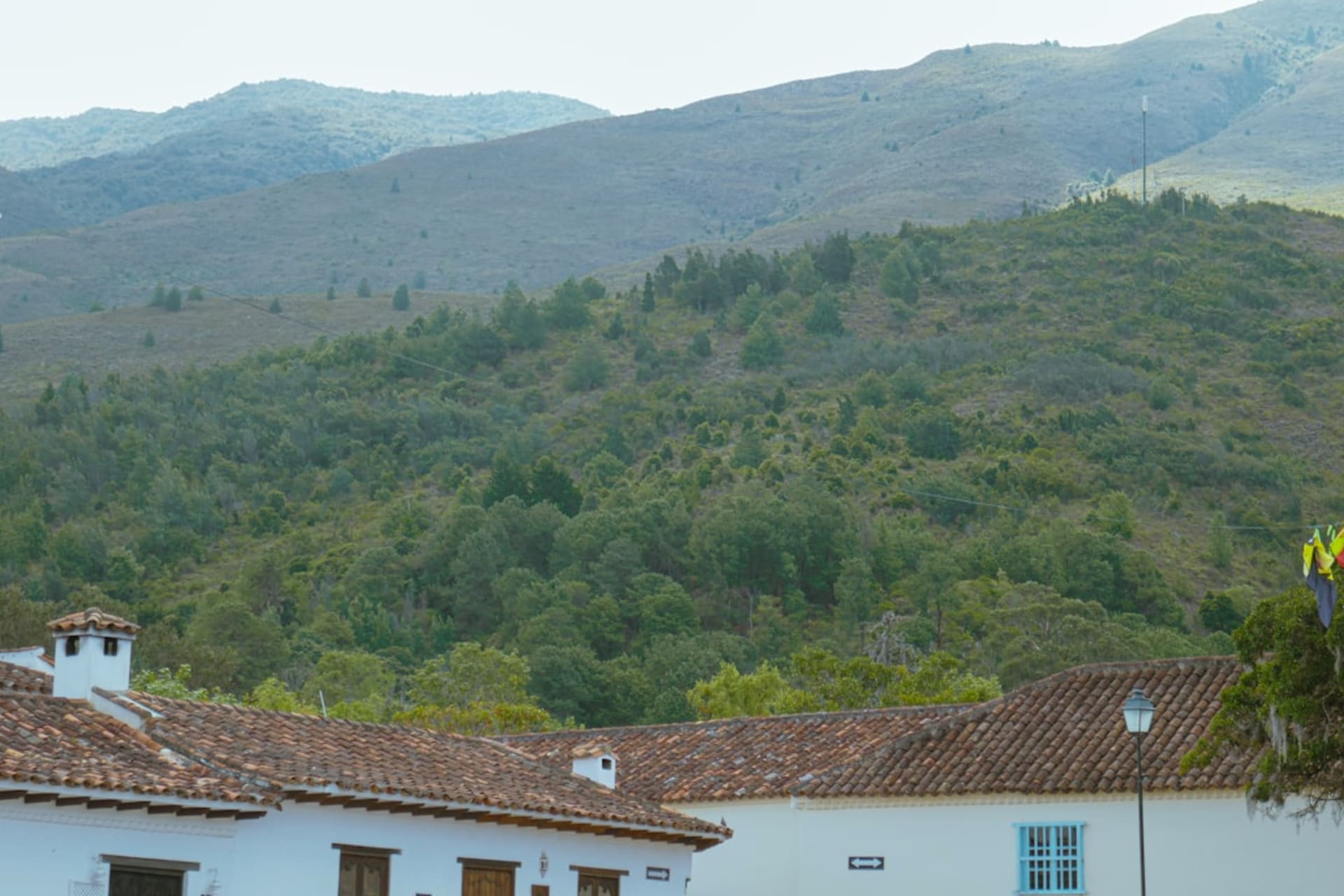
Tetela de Ocampo
"Tetela de Ocampo is what Cuetzalan was before everyone started writing about Cuetzalan — difficult to reach and completely worth it."
I arrived in Tetela on a Thursday afternoon when the rain had turned the road from Zacatlán into something closer to a suggestion. The kind of road where you thank whoever paved the last fifteen kilometers and curse whoever stopped there. By the time I reached the zócalo the fog had already settled into the barrancas below town, and the church of San Juan Bautista was half dissolved into it, its bell tower disappearing into grey somewhere above the roofline. I found a doorway with a plastic chair and a señora who sold me a cup of coffee from her own finca — dark, barely sweet — and I did not leave for two hours.
The Weight of the Sierra Norte
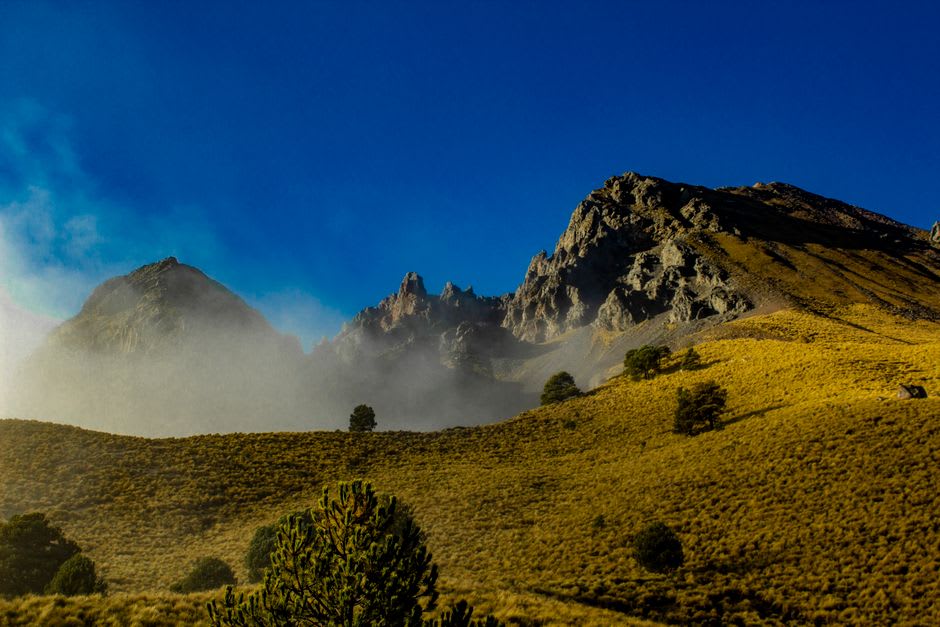
The thing that registers before anything else in Tetela is how serious the mountains are. From Puebla city you drive three and a half hours northeast, and the Sierra Norte does not ease you in — the barrancas drop away from the roadside with the casual indifference of terrain that never needed to be tourist-friendly. Tetela sits at around 2,100 meters, cool enough that residents wear jackets in July.
The town produced fighters. During the Reform War and the French Intervention, Tetela de Ocampo became a stronghold of liberal resistance — the kind of stubborn regional conviction that tends to emerge from places that take half a day to reach from anywhere else. The small museum near the jardín documents this history without sentimentality, and the church of San Juan Bautista, built across several colonial centuries, carries the accumulated weight of that era in its stone and its proportions. The zócalo itself is unhurried in a way that feels earned rather than managed. No reconstruction, no informational plaques at every corner. Just the square and the fog and the horses moving through it.
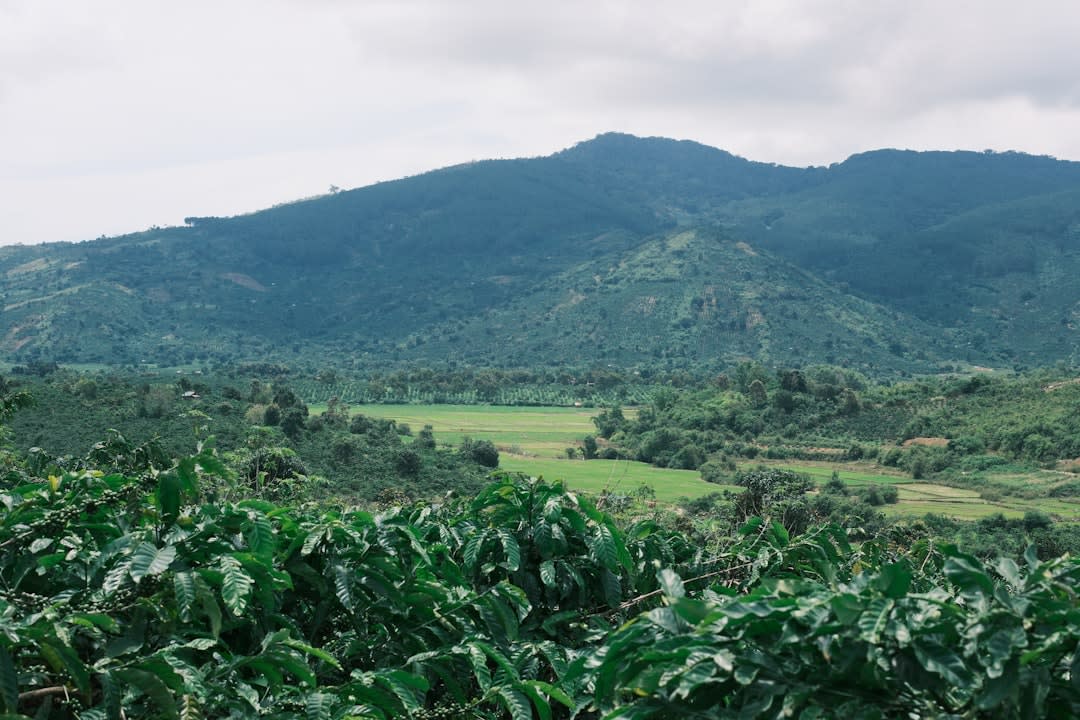
Coffee From the Slope Behind Town
The cafés in Tetela serve coffee that was grown within walking distance, which is a sentence I usually distrust when I read it in other people’s writing, but here it is literally true. The Sierra Norte is one of Mexico’s serious coffee regions, and the fincas around Tetela produce arabica at altitude — shade-grown, processed in small batches. A woman on Calle Hidalgo ran what appeared to be a comedor out of her living room and served me a café de olla alongside a plate of enfrijoladas with queso de hebra — a combination I did not expect and ate twice before leaving.
The Thursday tianguis spreads along the streets south of the jardín and includes things with no tourism function: agricultural tools, bulk legumes, secondhand clothing, fruit I did not recognize from lower elevations. I bought a small bag of coffee there for less than I would have paid for a single cup in Puerto Escondido, which tells you something about the distance between production and retail markup that I try not to think about too often.
What to Do With the Afternoon
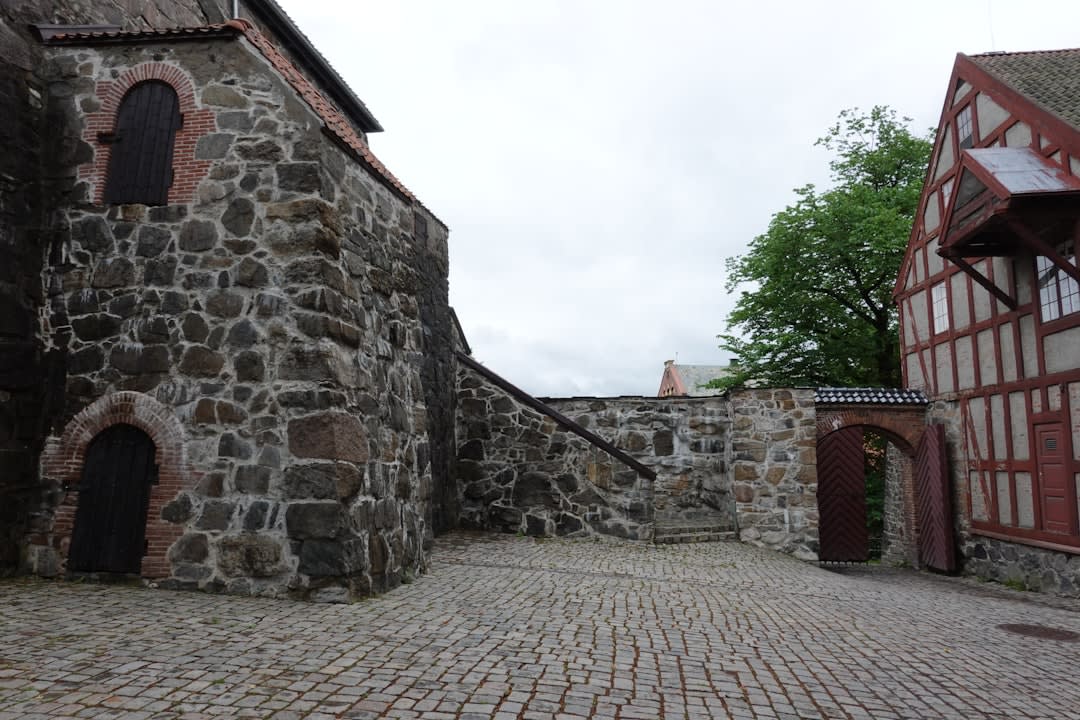
Tetela does not organize itself around visitor activities, which is part of the point. The walk out along the road toward Tlatlauquitepec gives views into the barrancas that are genuinely vertiginous on a clear afternoon. The Iglesia de la Asunción in the barrio of Xochitlan is smaller and quieter than the main church, and the walk there takes you through a stretch of town where the streets narrow to a single lane and houses are stacked close enough that conversations carry between windows.
If you are going to stay — and the distance makes a day trip feel like a waste of effort — ask at the presidencia municipal about rooms. There are casas de huéspedes that operate without signage and book up during the patron saint festival in late June. Come on a Thursday for the market, stay through Saturday, and leave before you have fully adjusted to the altitude and the quiet.
Getting There
From Puebla city, take the autopista toward Teziutlán and branch northwest toward Zacatlán, then continue northeast through Chignahuapan on Federal 119. The mountain stretch from Chignahuapan takes roughly ninety minutes. There is no direct ADO service; shared combis run from Zacatlán but irregularly. A rental car or private vehicle is significantly easier. Plan to arrive before dark — the final roads are narrow and the drop-offs are real.