Tepexi de Rodríguez
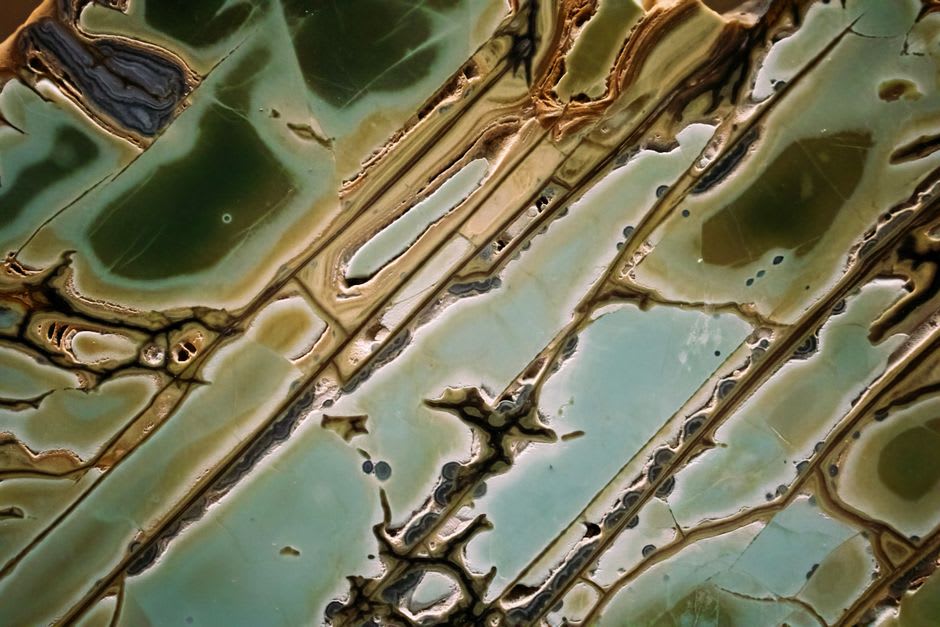
"The man held a slab of onyx up to the doorway and the light came straight through it, honey and amber and green, like stained glass that had been dug out of the ground."
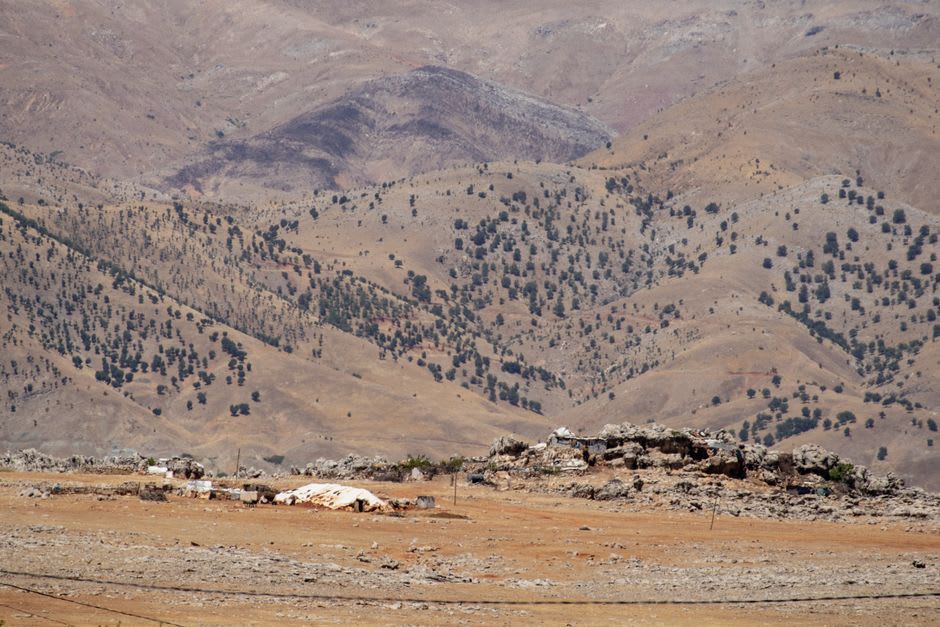
I came to Tepexi because a friend in Puebla had a small onyx bowl on her windowsill that caught the morning light in a way I couldn’t stop looking at, and when I asked where it came from she said the name of a town I’d never heard of, out in the dry south of the state. That was enough. I like following objects back to their source. So I drove down into the semi-arid hills below Tehuacán, where the green of central Puebla gives way to pale stone and scrub and a harder, brighter kind of light, and found the town that turns those hills into the things people put on their windowsills.
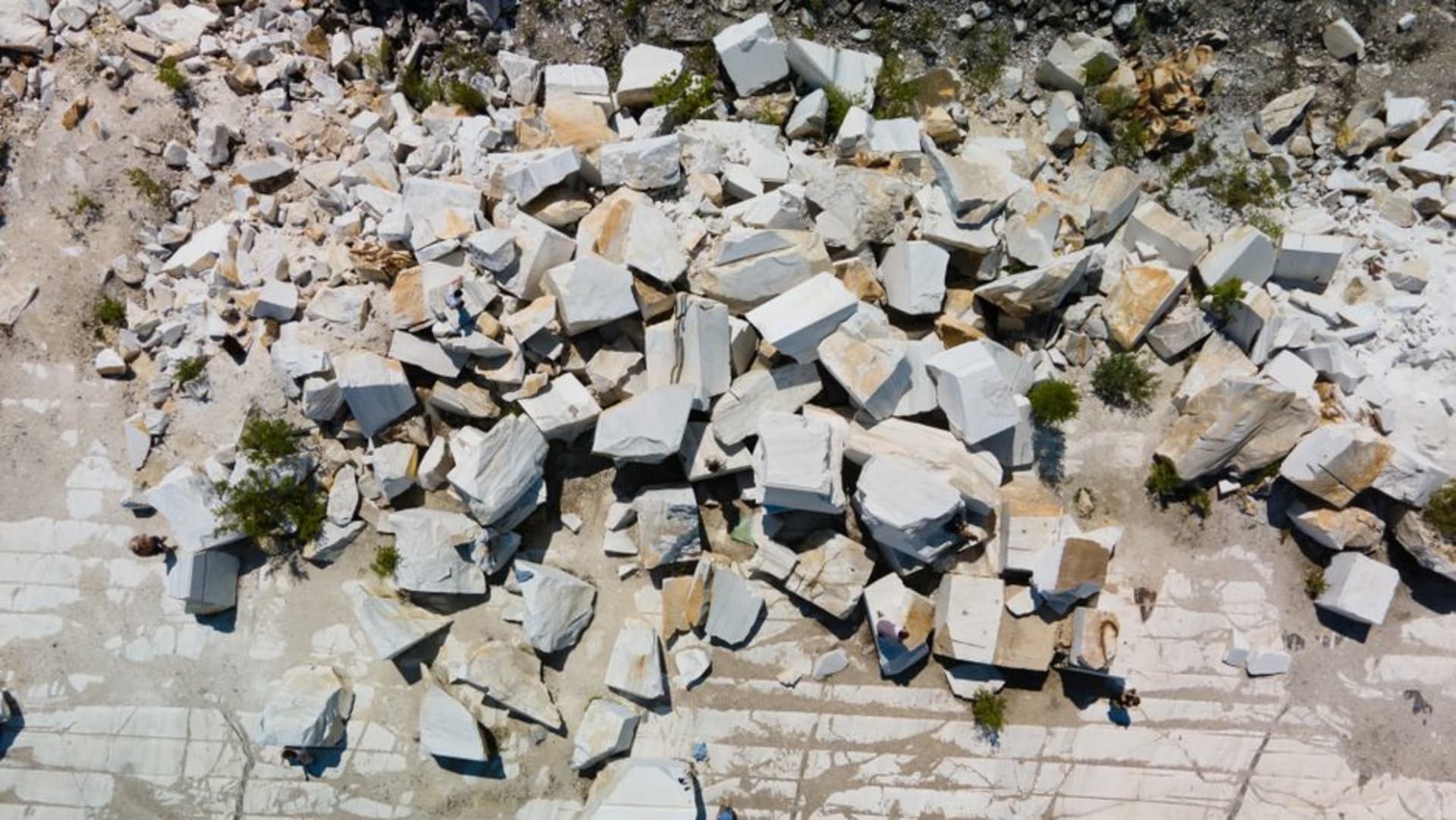
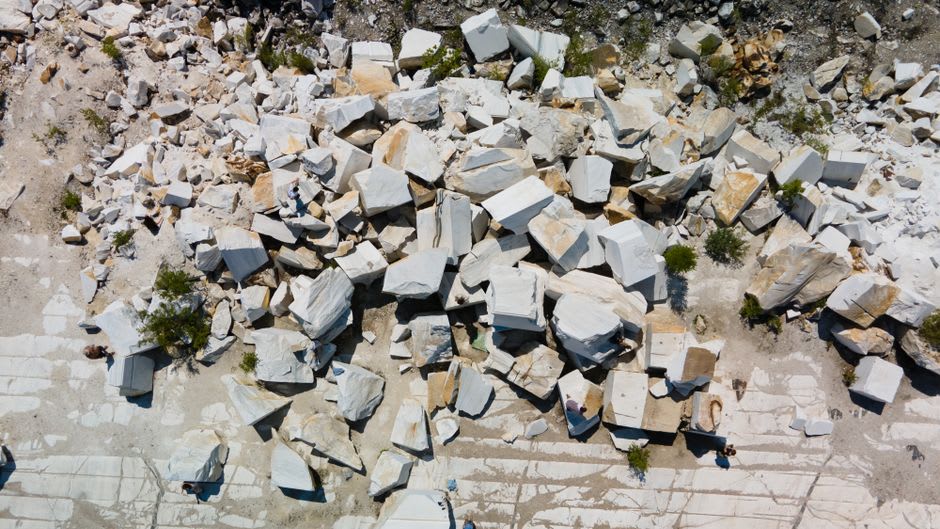
Tepexi de Rodríguez is stone country in the most literal sense. The hills around it are shot through with onyx and marble — the translucent, banded onyx that Mexico is known for — and the town lives by quarrying it and carving it. Walk the streets and you hear it before you see it: the whine of stone saws, the tap of chisels, the wet grind of polishing wheels coming from workshops that open straight onto the road.
The Stone Workshops
The workshops are the reason to come. Many are small family operations, a father and sons working under a corrugated roof, the floor white with stone dust and the finished pieces lined up on plank shelves — bowls, chess sets, animals, lamps, slabs sawn thin enough to glow. I spent a whole morning going from one to the next, and no one minded; a couple of the carvers seemed genuinely pleased to have someone to explain the work to.
One man, older, with hands the color of the dust he worked in, showed me how you read a block of onyx before you cut it — where the bands run, where the flaws are, how the color changes as you go deeper. Then he held a finished slab up to the open doorway and the light poured through it: honey and amber and a vein of deep green, glowing like something lit from inside. I bought a small bowl. Of course I did. It sits on my own windowsill now, and it does the same thing my friend’s did, and every time I see it I’m back in that dusty doorway watching the light come through the stone.
The Town and Its Stone Bones
Tepexi itself is built, appropriately, of the stone it lives by. The town sits in a fold of the dry hills, and the light here is hard and clean, the kind that throws sharp shadows and makes the pale buildings almost glow at midday. It is a working town, not a polished one — but stone is everywhere in it, in the thresholds and the church steps and the odd polished slab set into a wall like a boast.
I found a small café off the plaza and sat with a coffee in the shade, watching a truck loaded with rough marble blocks grind slowly up the main street toward the highway. There is a satisfying honesty to a place that so plainly does one thing and does it well. The plaza was quiet in the heat of the afternoon; a few old men sat under the trees, and a dog slept in the exact center of the road, supremely unconcerned. I liked it enormously.
Deep Time in the Hills
There is another reason people who know come to Tepexi, and it has nothing to do with carving: the hills nearby hold one of Mexico’s important fossil sites, a bed of ancient stone that has given up remarkably preserved remains from a vanished lake — fish, plants, creatures pressed into fine layered rock over unimaginable spans of time. The region has a small museum dedicated to these finds, and standing in front of them does something to your sense of scale.
I’m not a paleontologist and I won’t pretend the fossils meant to me what they’d mean to someone who studies them. But there was something quietly moving about it — a town that pulls stone out of the ground to carve into bowls, sitting on top of stone that recorded the death of a lake a hundred million years before anyone thought to carve anything. Deep time and human craft, stacked in the same hills. I drove back up toward Tehuacán that evening thinking about that, the dry country going gold behind me.
Getting There
Tepexi de Rodríguez sits in southern Puebla and is most easily reached by car from Tehuacán (roughly an hour and a half) or from the city of Puebla (around two and a half hours) via the highways that run down into the dry south of the state. Second-class buses and colectivos serve the town but run less frequently than in the more traveled parts of Puebla, so a car gives you the freedom to visit the outlying workshops and the fossil country in the hills. It’s dry and bright most of the year — bring a hat and water — and the workshops are best visited on weekday mornings, when the carvers are at work and happy to let you watch.