Pahuatlán
"The descent into Pahuatlán through cloud forest is so abrupt you step out of the car still adjusting — and that disorientation never quite lifts."
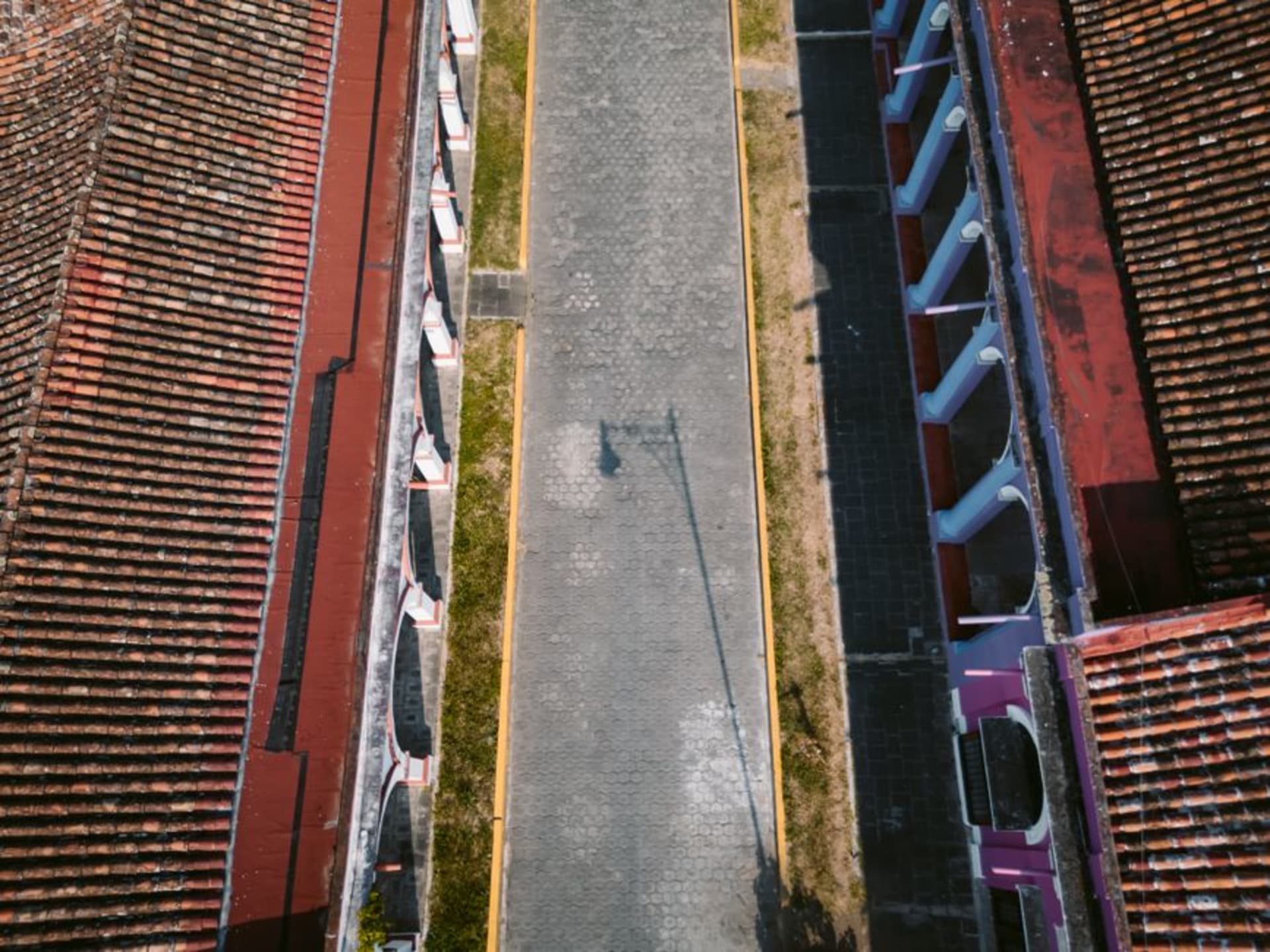
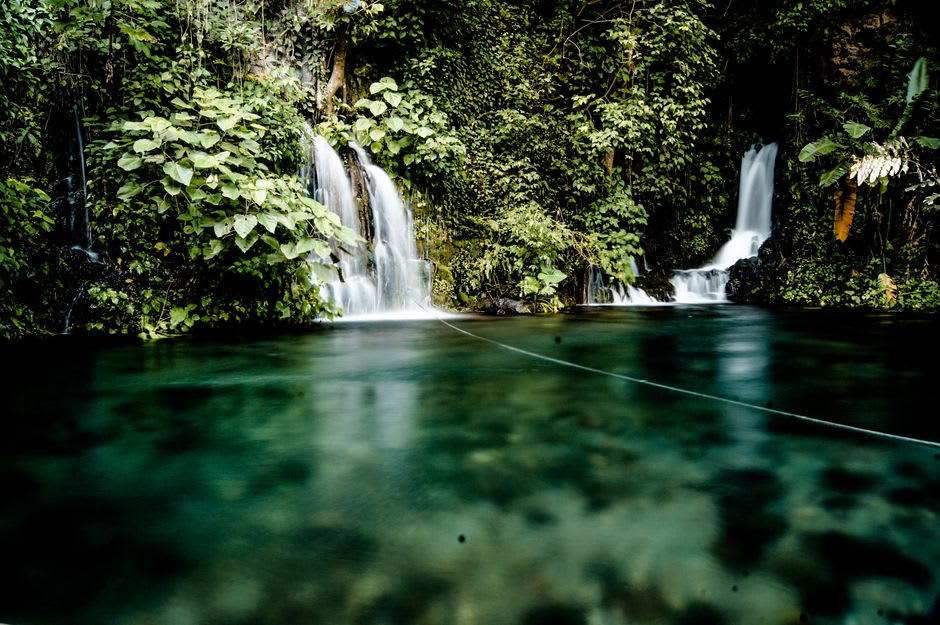
The road from Tulancingo drops in fast — switchbacks through cloud forest dense enough to feel like a weather event, then a break in the trees where the canyon opens below in an implausible, almost aggressive green, and then the town materializes around you before you’ve formed any expectation of it. I parked near the zócalo still unclear on how I’d arrived. Pahuatlán doesn’t offer the gradual reveal of most mountain towns. You’re in the cloud forest, then you’re on a ridge above a gorge, and somewhere between the two the transition happened without you. I stood at the car for a minute, adjusting. The altitude is only moderate. The sensation of slight disorientation is not about altitude.
What the Otomi Make in San Pablito
Six kilometers uphill from Pahuatlán, the Otomi village of San Pablito has been producing amate paper for as long as anyone has reliable records of it, and probably longer. The process is unglamorous: bark from fig and mulberry trees is boiled, stripped, beaten flat on wooden boards, and left to dry in the sun into sheets the color of old skin. What happens to those sheets afterward is something else entirely.
Women in San Pablito embroider directly onto the dried bark — thread pulled through a material with no give, in patterns of deer and birds and maize that have no interest in being contemporary. The motifs are pre-Hispanic in origin, passed down through practice rather than documentation. On Sunday mornings in Pahuatlán’s covered market, the finished pieces arrive: tablecloths, wall hangings, small framed rectangles in colors that shouldn’t coexist but do. I spent an hour at one table alone and bought two pieces I had no plan for, which I think is approximately the correct response to them.
The Canyon and the Long Afternoons
The Barranca de Pahuatlán runs deep enough below town that the far canyon walls are often half in cloud when you look at them from the mirador near the church. There is a café at the edge — the sign was too faded for me to read the name with confidence — where you can drink café de olla and watch the mist move through the gorge in real time. I went twice in two days and both times sat longer than I’d planned.
The market off the main plaza is worth the Sunday timing. A woman near the entrance ladled pozole blanco from an enormous clay pot with the authority of someone who has been doing this longer than I’ve been alive. Forty pesos, eaten standing at a folding table by the door, with a view of the street outside and the canyon beyond it. The market also sells cecina from the region and tamales in banana leaves rather than corn husks — a small difference that signals you’ve crossed into a different culinary altitude than the lowland Puebla you might know.
What to Expect on the Ground
Pahuatlán has a small cluster of posadas and hotels near the zócalo, none of them polished, several of them genuinely good. I stayed at one with rooms around a courtyard where someone was cooking on a comal by seven every morning. Budget thirty to sixty dollars for a private bathroom and don’t expect more than you need.
The Carnival before Lent — usually February — draws people for the Otomi masked dances and music that runs continuously. I came in October, which was quiet in the particular way that Sierra Norte towns get quiet mid-week: the market vendors gone, the streets mostly empty by eight, the canyon producing a low sustained sound of its own. Sunday is the day to arrive; Wednesday is the day to have the place to yourself.
Getting There
The nearest city is Tulancingo, Hidalgo, roughly ninety minutes by car through the mountains. From Mexico City, plan three to four hours. Buses connect from Tulancingo’s terminal with some regularity, though schedules shift — confirm locally. If you’re driving, the road in is paved but narrow through the cloud forest section. The dry season, October through March, gives you the best visibility into the canyon and the most reliable roads.