Chignautla
"It rained the whole time I was in Chignautla, and I wouldn't have wanted it any other way."
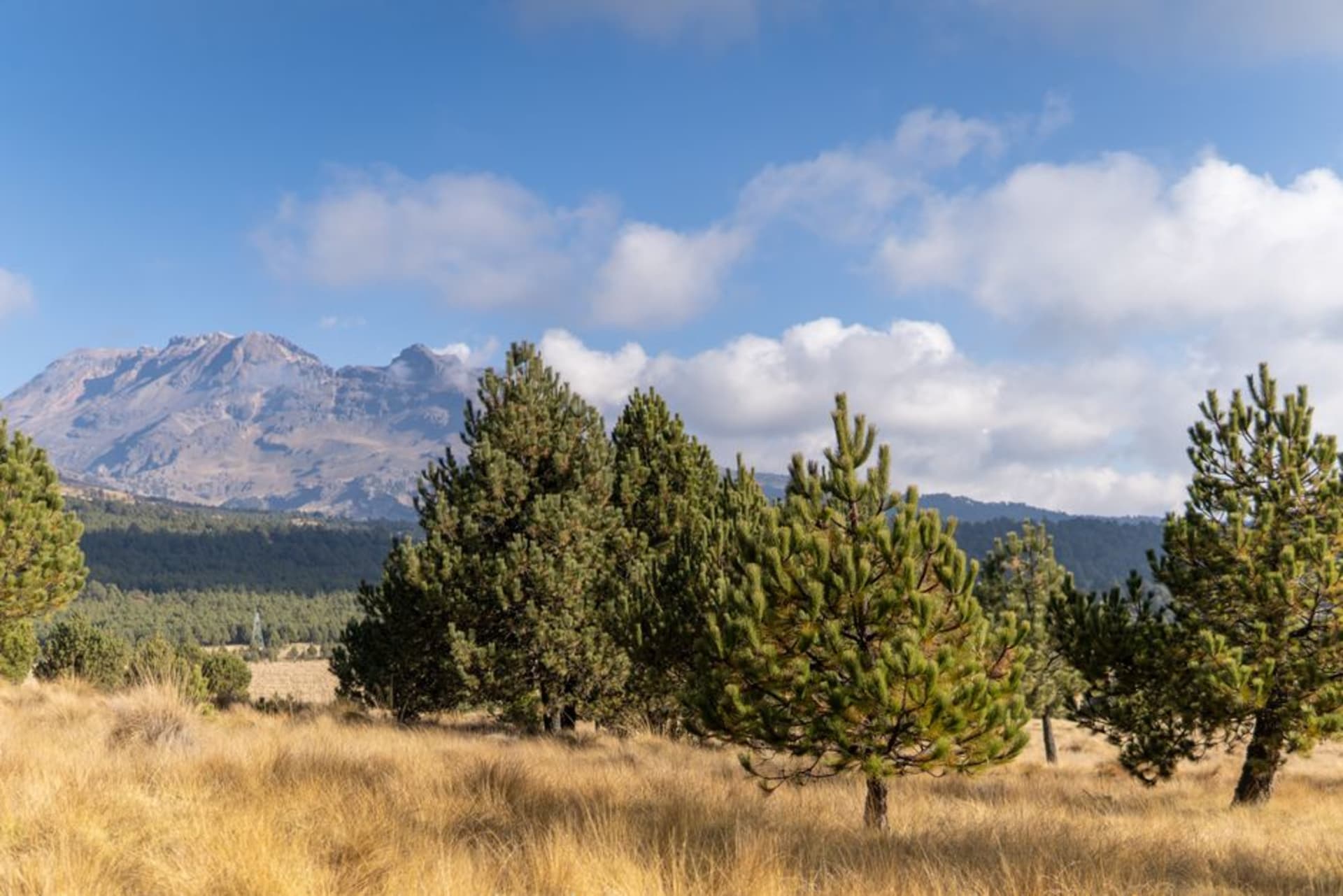
I climbed up to Chignautla from Teziutlán on a grey afternoon when the cloud was sitting right on the town, and I fell for it immediately, the way you sometimes do with a place that is damp and green and slightly melancholy. Pine forest all around, the smell of woodsmoke and wet earth, a hilltop chapel appearing and disappearing in the mist above the roofs. It felt less like arriving somewhere new than like stepping into a mood.
The Green Cold of the Sierra Norte
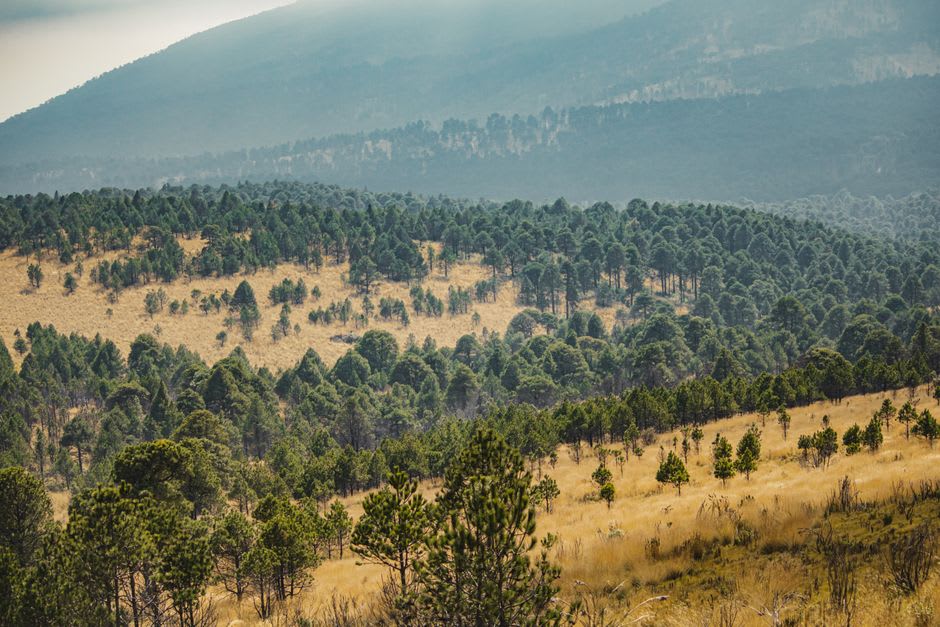
Chignautla sits high and cool in the Sierra Norte de Puebla, just above the bustle of Teziutlán, and the climate is its defining fact. It is often foggy, frequently wet, and always a good few degrees colder than you expect, which after years of Mexico I still find delightful. The mountains around it are dark with pine, the ground soft with needles and moss, and everything has the deep saturated green of a place that rarely fully dries out.
I walked the edges of town where the streets give way to forest and stood among the pines while the cloud drifted through them, muffling everything. There is a particular quiet to a wet pine forest that I associate more with the Pyrenees of my childhood than with Mexico, and finding it up here always gives me a small pleasant shock. People passed in sweaters and jackets, unbothered by the drizzle, and I pulled my own collar up and felt entirely content.
The Chapel on the Cerro
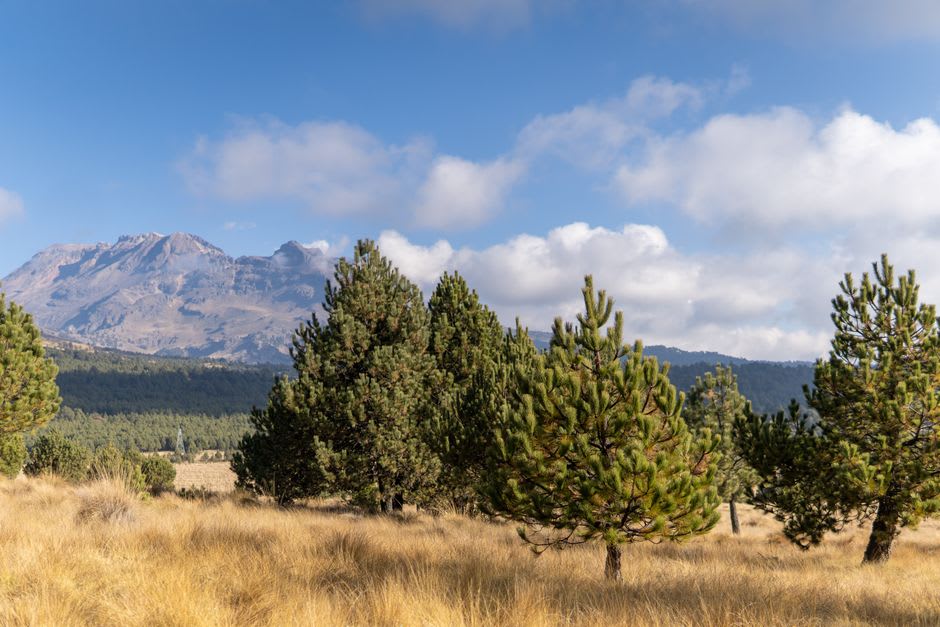
Above the town rises the cerro with its hilltop chapel, the visual and spiritual anchor of Chignautla, appearing over the roofs whenever the cloud thins enough to show it. I made the climb on foot, breathing hard in the thin damp air, and the reward at the top was not a grand view — the fog saw to that — but the atmosphere: the small chapel, the wind, the town falling away below into grey, the sense of standing at the town’s high point with the weather moving around me.
On the way up I passed the marks of local devotion, and it was clear this cerro is woven into the life of the place, a site people climb for faith as much as for the view. When the cloud briefly parted I got a glimpse of the green sierra rolling away in every direction, ridge behind ridge fading into haze, before it closed again. I stayed up there longer than the cold really justified, just for the feeling of it.
Mushrooms, Mountain Food, and Fierce Festivals
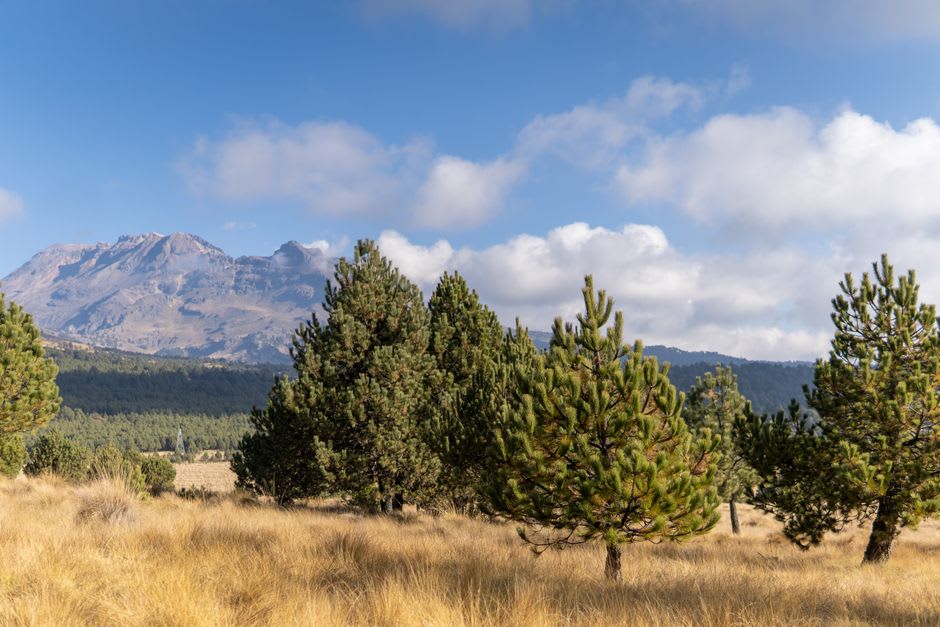
Chignautla is mushroom country, and in the wet season the forests give up wild varieties that end up in the town’s kitchens — cooked simply with chile and epazote, folded into quesadillas, sold in the market by people who know exactly what they’ve gathered. I ate them in a comedor while the rain drummed on the roof, hot and earthy and perfect for the weather, and washed them down with a coffee that steamed in the cold air.
The town is also known for its festivals, which are strong, local, and not remotely staged for outsiders — days of music, dance, fireworks, and processions where the whole place turns out and the outside world simply doesn’t factor. I caught the ordinary rhythm rather than a festival, but you could feel the capacity for it, the sense of a community that celebrates hard when the calendar calls. Damp, mossy, atmospheric, deeply itself — Chignautla is the kind of green mountain town I keep coming back to Mexico’s sierras to find.
Getting There
Chignautla sits just above Teziutlán in the northeastern corner of Puebla’s Sierra Norte, a short but steep climb of fifteen to twenty minutes by road from Teziutlán, which is the regional hub. Teziutlán itself is reachable by bus from Puebla (around three to four hours) and from Mexico City (around four to five). From there, local combis and taxis run up to Chignautla constantly. A car helps if you want to explore the surrounding pine forests and smaller communities, but it isn’t essential. Bring a jacket and expect rain in any season — the cold green damp is the whole point.