Cuicatlán
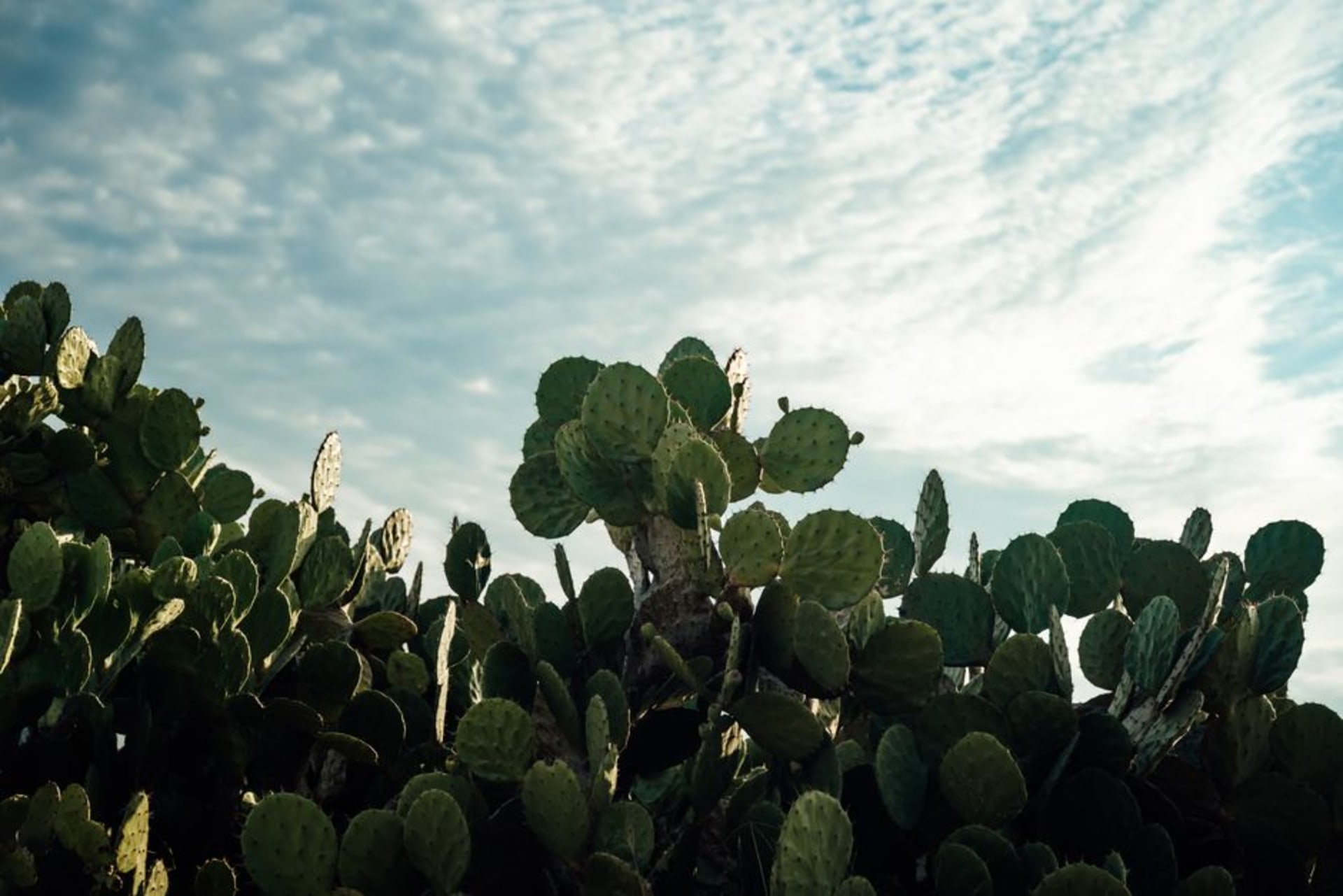
"I stopped at the canyon rim in the late afternoon and the cacti threw shadows like an army of giants standing at attention."
Gateway to the Tehuacán-Cuicatlán canyon biosphere — UNESCO-listed for its extraordinary density of columnar cacti and pre-Hispanic irrigation works threaded through the rock — Cuicatlán is small, dusty, and hotter than it looks on a map. The canyon it overlooks is genuinely otherworldly.

The bus from Oaxaca City drops you onto a main street that feels baked into stillness. Cuicatlán sits at around 700 meters — low enough that the air hits you differently, dense and dry, smelling of dust and dried oregano. I arrived mid-morning in April and immediately understood why the few travelers I’d mentioned this place to had looked at me with mild concern. It’s not comfortable in any conventional sense. But you don’t come here for comfort. You come because the canyon just to the north is one of the stranger landscapes in Mexico, and almost no one comes.
The Biosphere on Geologic Time
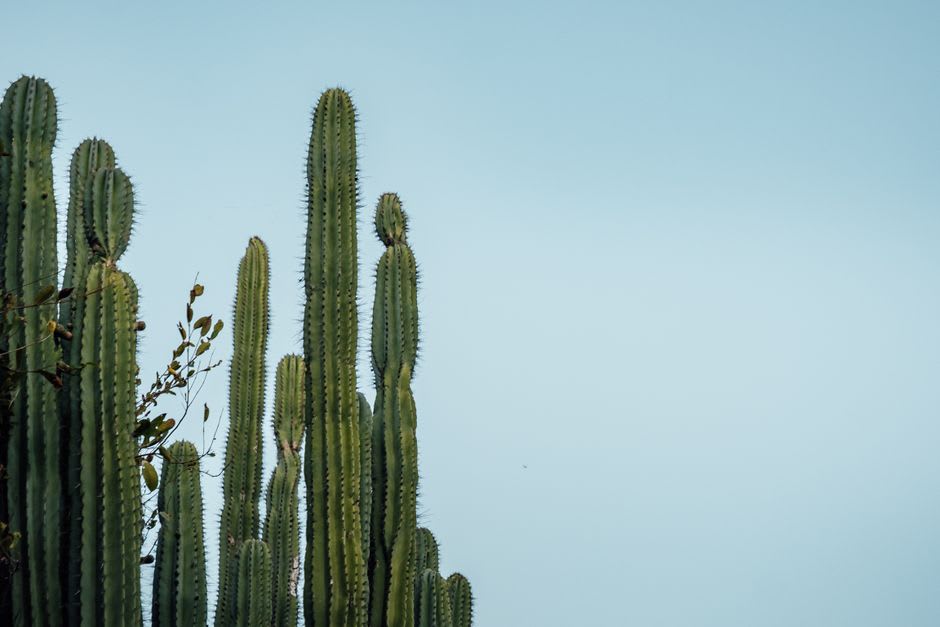
The UNESCO designation came in 2018, and I’d wager most people in Mexico couldn’t place this biosphere on a map. The Tehuacán-Cuicatlán canyon system stretches between Oaxaca and Puebla states, and what the listing recognized is the density — not just of species but of something harder to articulate: antiquity. The cardón and órgano cacti growing along the canyon walls advance a few centimeters each year. The columns I walked past on the trail out of El Quiotepec were likely older than the conquest; some top ten meters. The afternoon I went, the light was stripping the rock face in alternating orange and gray bands, and the cactus ridges caught the same light along their edges. Pre-Hispanic irrigation canals thread through the valley floor — infrastructure you walk past without quite registering until someone explains it’s two thousand years old. A local guide named Don Remigio runs half-day walks from town for around 250 pesos. He speaks no English, which is fine.
The Mercado Before the Heat Sets In
Cuicatlán’s mercado municipal sits on the north end of Calle Independencia and operates most reliably before noon, after which the town quietly folds inward. I ate breakfast there two mornings running — caldo de res from Doña Esperanza, who had been working the same corner since her mother retired. The broth was serious: beef, hierba santa, a dried chile I didn’t catch the name of, served with warm tortillas from the stall across the aisle. The rest of the market sells citrus from the valley — there’s a reason the region is known for its limes and oranges — alongside dried chiles, clay pots, and cooking equipment. In the late afternoon, when the heat finally eases around five, the zócalo comes to life the way small Mexican towns do: kids on bikes, men playing dominoes outside the farmacia, the ice cream cart making its slow rotation. It’s not performing anything for visitors. It’s just a Thursday.

East of Town at Six in the Evening
There’s a dirt track climbing east out of town, past a small cemetery and into the scrub. Thirty minutes on foot brings you to a ledge where the canyon opens below. I went at six in the evening, when the sun was low enough to be useful and the temperature had finally dropped to something manageable. The cacti were throwing shadows across the canyon floor in long parallel lines — an army standing at attention, is how it occurred to me. Nobody else was up there. A vulture made a slow pass. Below, the Río Salado caught a strip of light and held it. It’s the kind of view that doesn’t photograph well, which is maybe why so few people know it’s there.

Getting There
Cuicatlán is roughly three hours north of Oaxaca City via the 135D, then east on the federal road. ADO and Sur buses run several departures daily from the second-class terminal on Calle Niños Héroes in Oaxaca; the fare runs around 180 pesos. No direct service from Puerto Escondido — change in Oaxaca City. The town has two small hotels; it’s worth calling ahead on weekends during the dry season.
Keep exploring
More of Oaxaca
Keep exploring
More from Oaxaca
 mexico
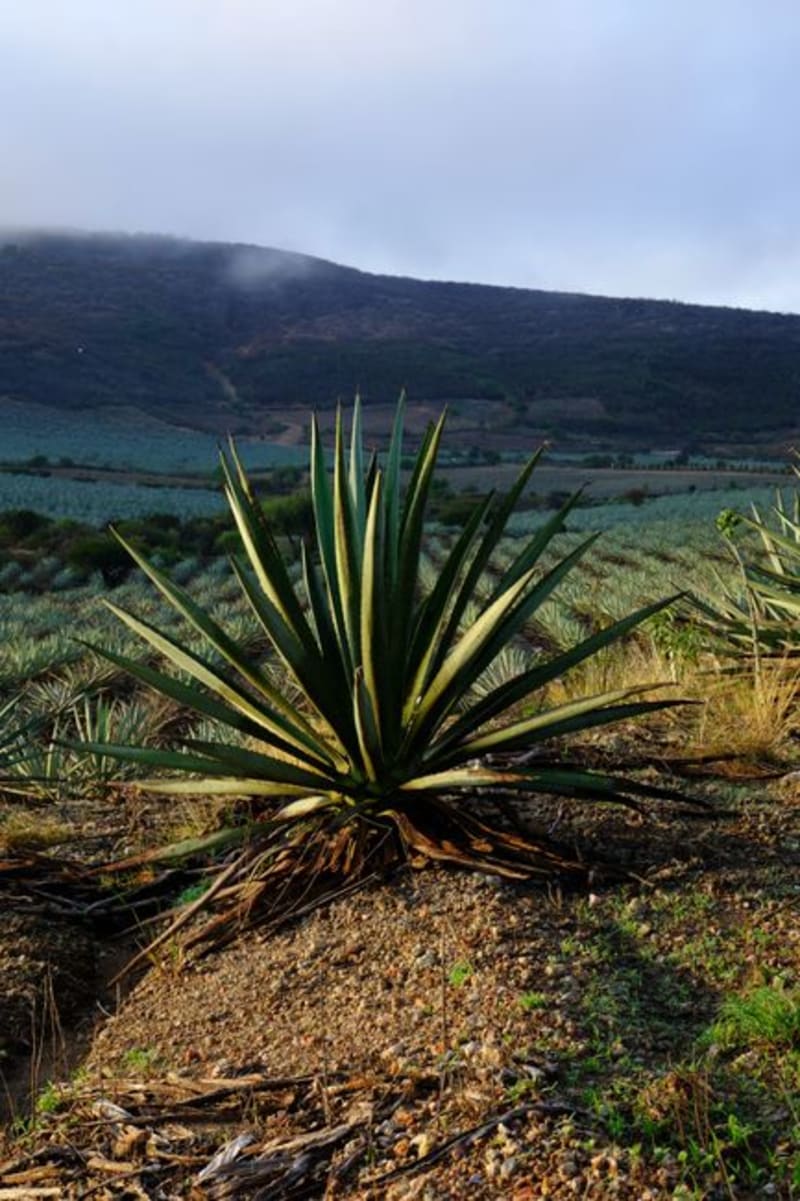
 Coixtlahuaca
A remote Mixteca Alta town built over a pre-Hispanic trade hub, anchored by a sixteenth-century Dominican ex-convent whose scale and ornamentation feel almost confrontational against the surrounding eroded ridges. Few people come here, which is precisely the point.
Explore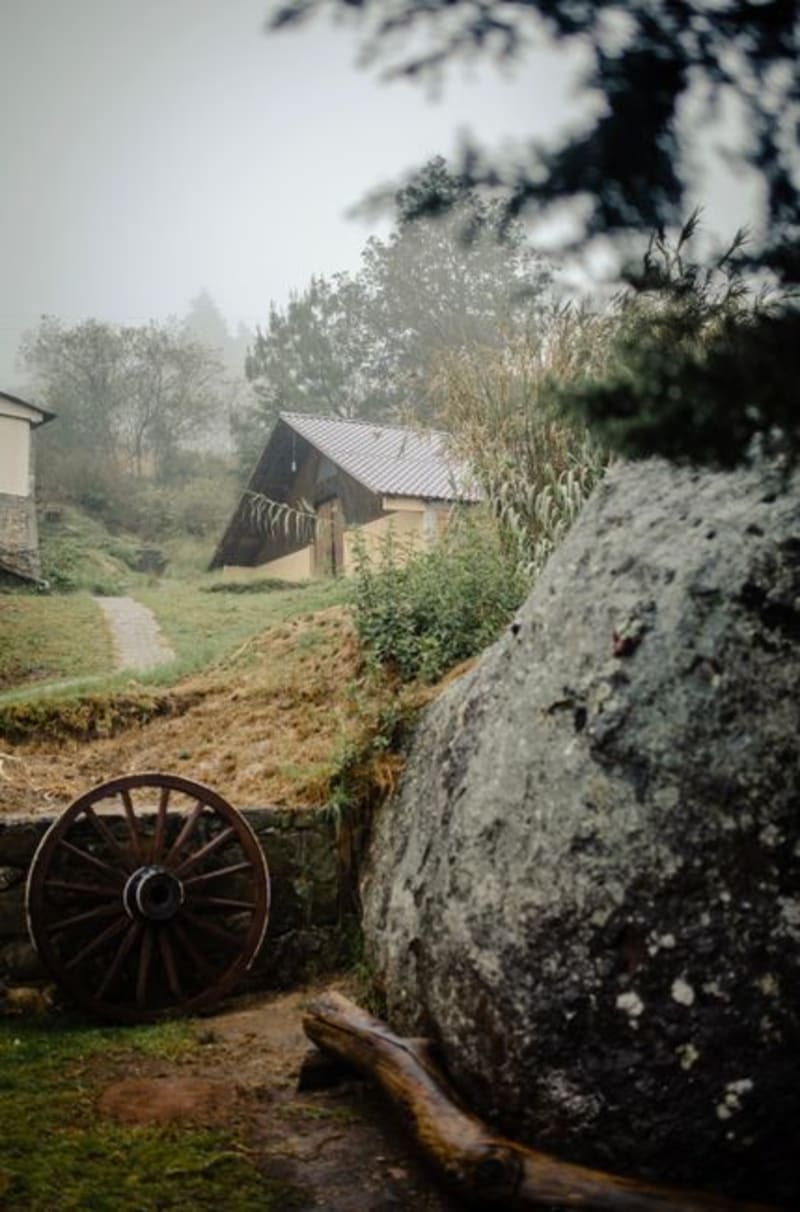 mexico
 Huautla de Jiménez
High in the Sierra Mazateca, Huautla de Jiménez sits inside the clouds at nearly 1,700 meters — a Mazatec town that became briefly famous when María Sabina shared her sacred mushroom ceremonies with the outside world, and has been carefully guarding what remains ever since. The road alone justifies the journey.
Explore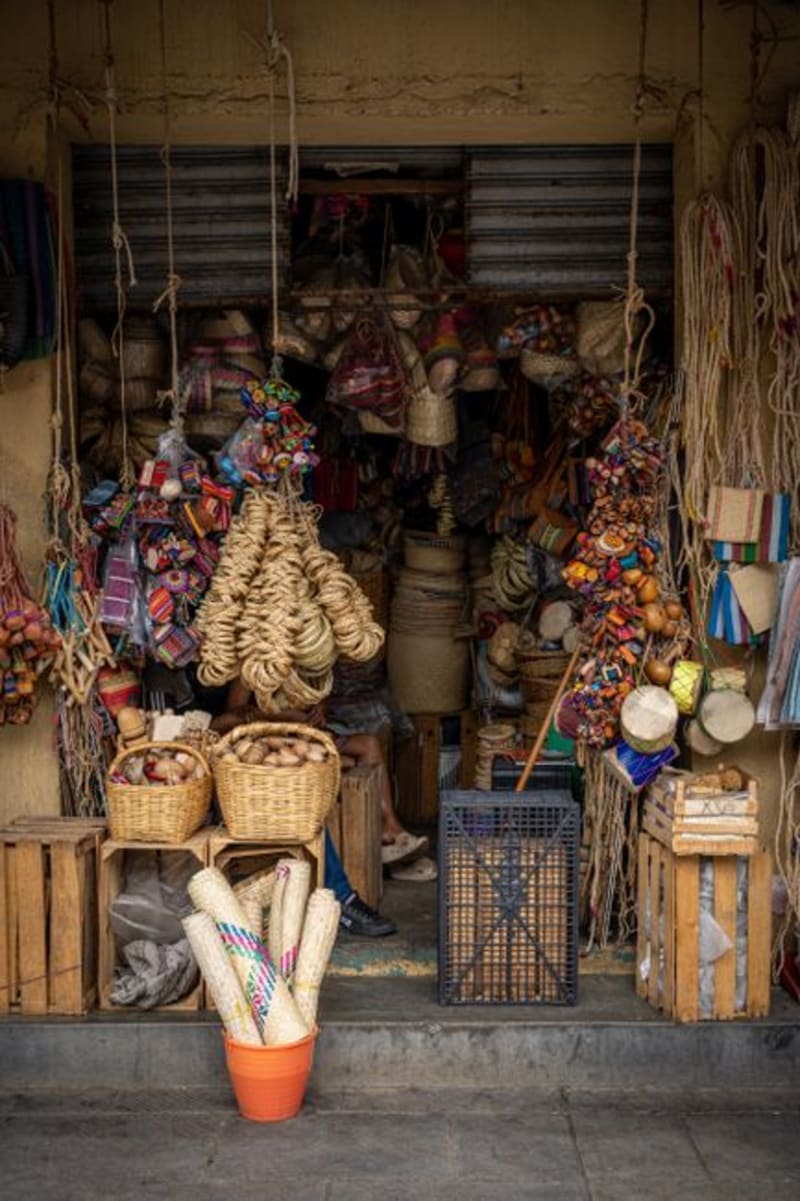 mexico
 Etla
The Valle de Etla, twenty minutes north of Oaxaca City, runs a Wednesday market that is the best uncrowded market in the state for fresh cheese, dried chiles, and produce — alongside a converted textile factory turned arts center and a handful of mezcal producers who have not bothered with branding yet.
Explore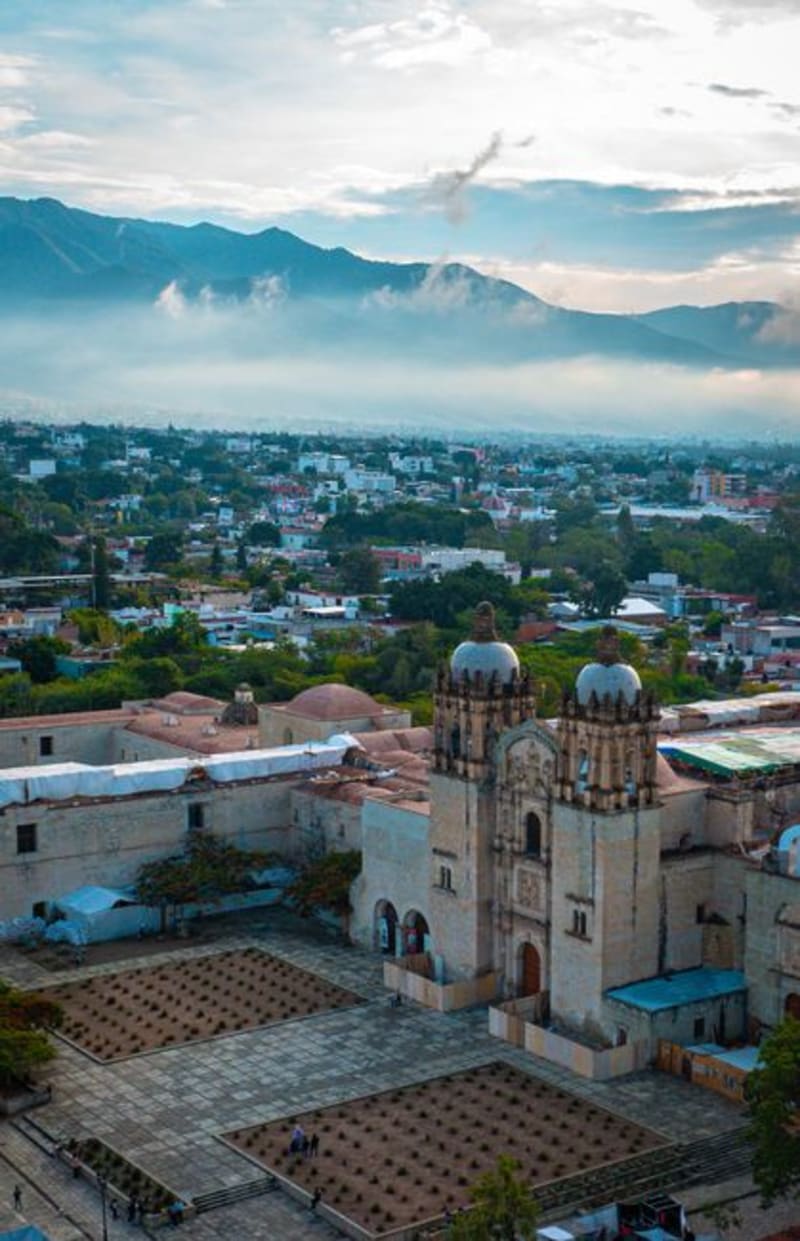 mexico
 Ixtlán de Juárez
A Zapotec town high in the Sierra Juárez of northern Oaxaca, wrapped in cloud forest and pine and run, unusually, by the community itself. Celebrated community ecotourism — cabins, trails, birdwatching — in one of the most biodiverse forests in Mexico, cool and misty, and proud of both its trees and its most famous native son's namesake.
Explore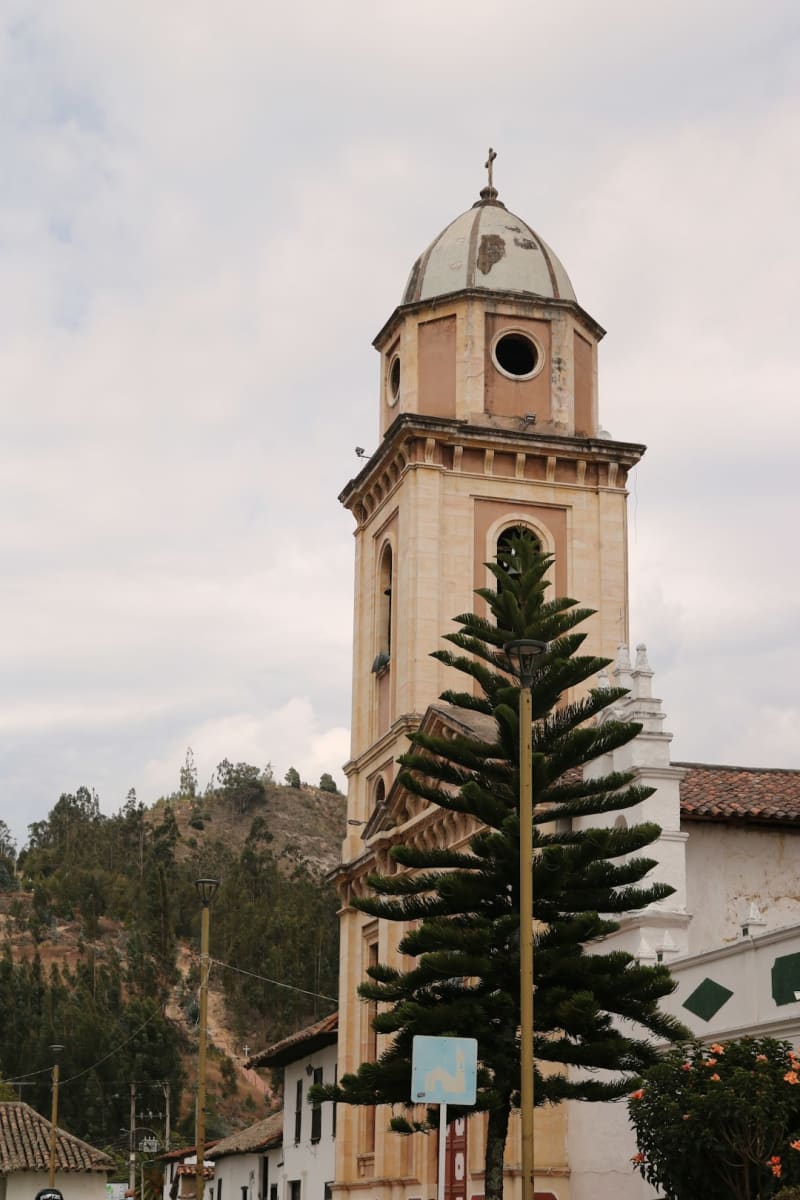 mexico
 Capulálpam de Méndez
A Zapotec pueblo mágico high in the misty pine-oak forest of the Sierra Juárez, north of Oaxaca city. A community that runs its own tourism — cabins, forest trails, a trout stream — around a former gold-and-silver mine, a wooden-roofed colonial church, and a living tradition of herbal medicine.
Explore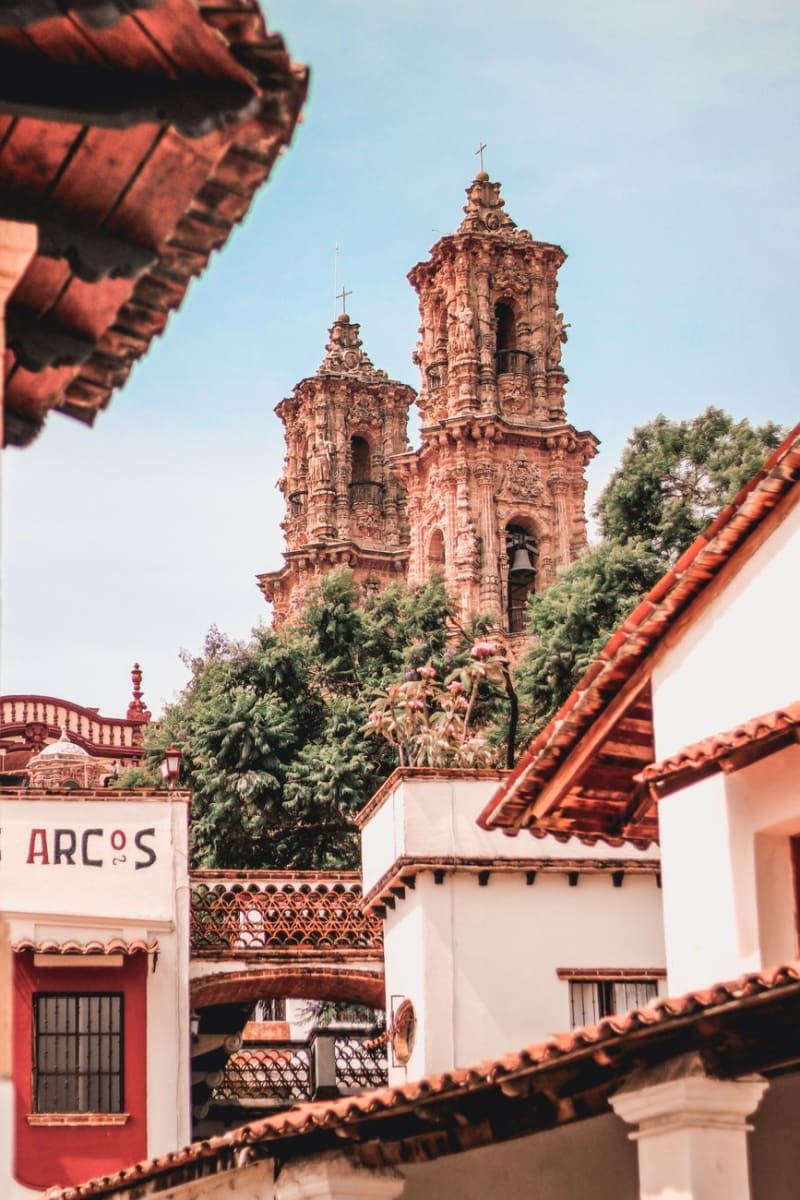 mexico
 Santa María Atzompa
Santa María Atzompa is a pottery village six kilometers northwest of Oaxaca City, known for a green-glazed ceramic tradition that uses a lead-based emerald glaze fired to a deep, slightly matte finish unlike anything else made in Mexico. I found the pottery in a shop in the city, asked where it came from, drove out the next morning, and bought a bowl directly from the workshop for half the price.
Explore