
San Pancho
"San Pancho is what Sayulita was trying to be before it became what it is — and somehow it has mostly stayed that way."
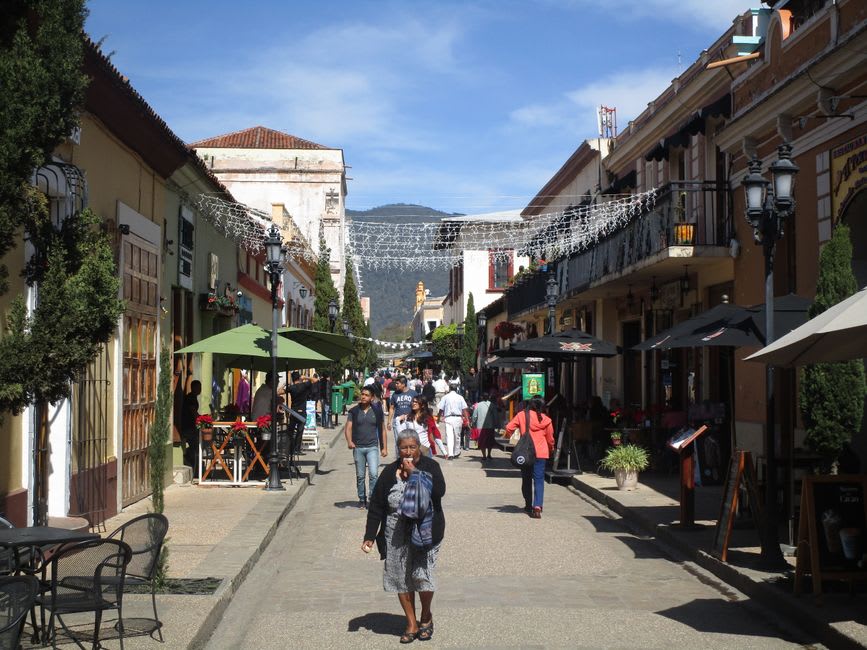
I came through San Pancho for the first time on a colectivo from Sayulita, which is to say I arrived with calibrated expectations, having just watched a surf town spend forty minutes trying to sell me a dream-catcher. The difference was immediate and almost comical in how plainly it showed: fewer signs, fewer people, one main street — Avenida Tercer Mundo — that ran straight to the ocean and stopped there as if it had made its point. I sat at a plastic table outside a café, ordered a tamarindo water, and spent about twenty minutes actively resisting being charmed. It didn’t hold.
The Break That Doesn’t Need the Hype
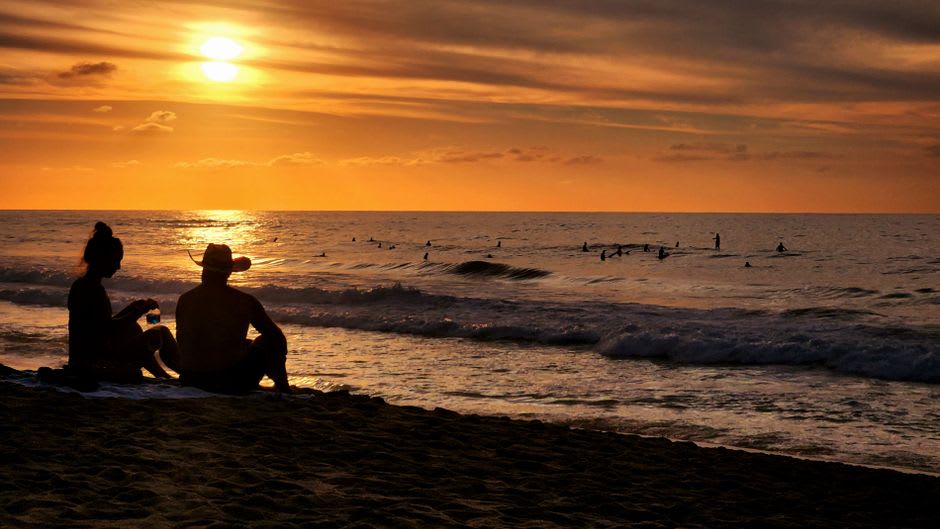
San Pancho’s beach break works more consistently than Sayulita’s point, particularly when there’s any south in the swell. The beach faces slightly west, which extends the good-light window into late afternoon and generally keeps the barrel surfable longer into the season. More practically: there are far fewer people in the water. I’ve surfed here on weekday mornings with six other people out. That’s the full count. No tourist on a foamie blocking the takeoff zone, no lineup politics, no one trying to convince you they had priority.
Mexpipe, the one surf shop on the main road, knows the break well. The guys there will tell you exactly which tide handles it best — useful, because the sandbars shift — and boards run around 250 to 300 pesos a session. Nobody is tracking your hours. The beach itself is wide, dark sand, populated mostly by pelicans and the occasional fishing panga coming in from the morning run. It doesn’t feel like a resort beach because it isn’t one.
The Polo Field and Everything It Implies
There is, in the middle of San Pancho, a polo field. I say this knowing it sounds invented. The Polo Club San Pancho sits just off the main road, and on Sunday afternoons in high season, actual polo is played there — horses, mallets, the complete apparatus. It is not an expat vanity project; the club has real local roots and regional players who take it seriously. It is completely absurd and completely wonderful, and it tells you something important about this town, which is that it has always been its own peculiar thing, without much concern for explaining itself.
The food operates on the same unhurried logic. The Saturday Orgánico market in the plaza draws producers from across Nayarit: unpasteurized cheese from Jalisco, small-batch hot sauces in unlabeled bottles that are reliably the best ones, honey from the sierra. I bought a chili-mango jam from a woman who told me she made it in Tepic. I have thought about it since. For breakfast, the cafés along the beach do a reasonable huevos rancheros, and the coffee situation has improved enough that you no longer need to bring your own.
The Rest of the Day
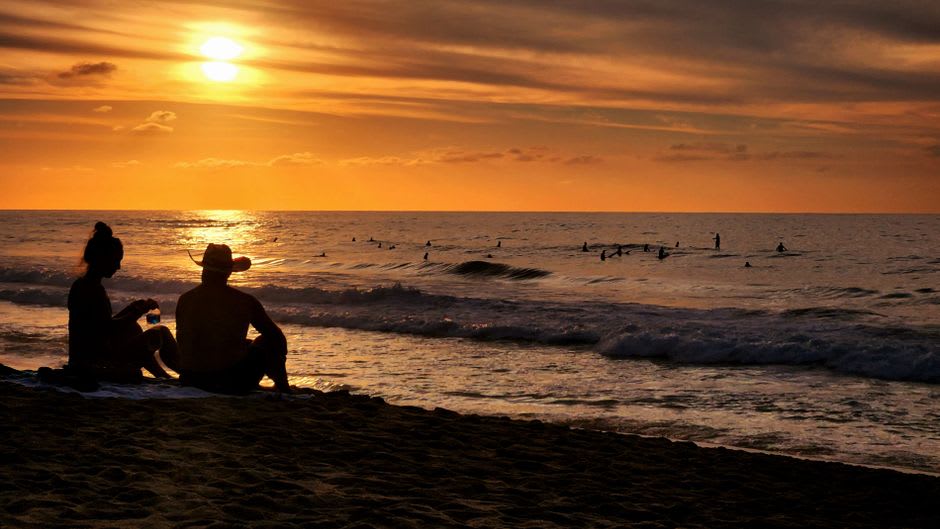
Afternoons in San Pancho slow down in a way that feels deliberate rather than merely provincial. El Costeño does clean mariscos — the ceviche is not drowned in lime, which I count as a significant virtue — and La Ola Rica has earned its local reputation honestly. By six, the light on the beach does the thing the Nayarit coast does in dry season: everything turns gold and slightly unconvincing, and you will take too many photographs that all look more or less the same. I stayed at a small rental casa near the beach rather than on the main road, which I’d recommend for the sound alone. The village is small enough that the distance doesn’t matter.
Getting There
San Pancho is roughly 56 kilometers north of Puerto Vallarta airport. From Sayulita, it’s a ten-minute drive or a 20-peso colectivo ride heading north on the coastal highway. Colectivos and shared taxis run the Riviera Nayarit corridor regularly from Puerto Vallarta’s bus terminal. No bus stops at the village center, so plan on a short walk or a moto-taxi for the final stretch in from the highway.