Lo de Marcos
"Lo de Marcos is a beach town that still operates at the speed of somewhere that does not need your approval."
I drove into Lo de Marcos from San Blas on a Tuesday afternoon in March, which turned out to be either the best or worst time to arrive — the town was quiet enough that I had the beach to myself for a full hour before I saw another person. That person was a man fixing a net in front of a palapa called El Delfín. He nodded. I ordered a chelada and sat down. The plan had been to check in, walk the beach, and head north toward Sayulita the next morning. That plan did not survive the chelada.
Three Kilometers of Unhurried Beach
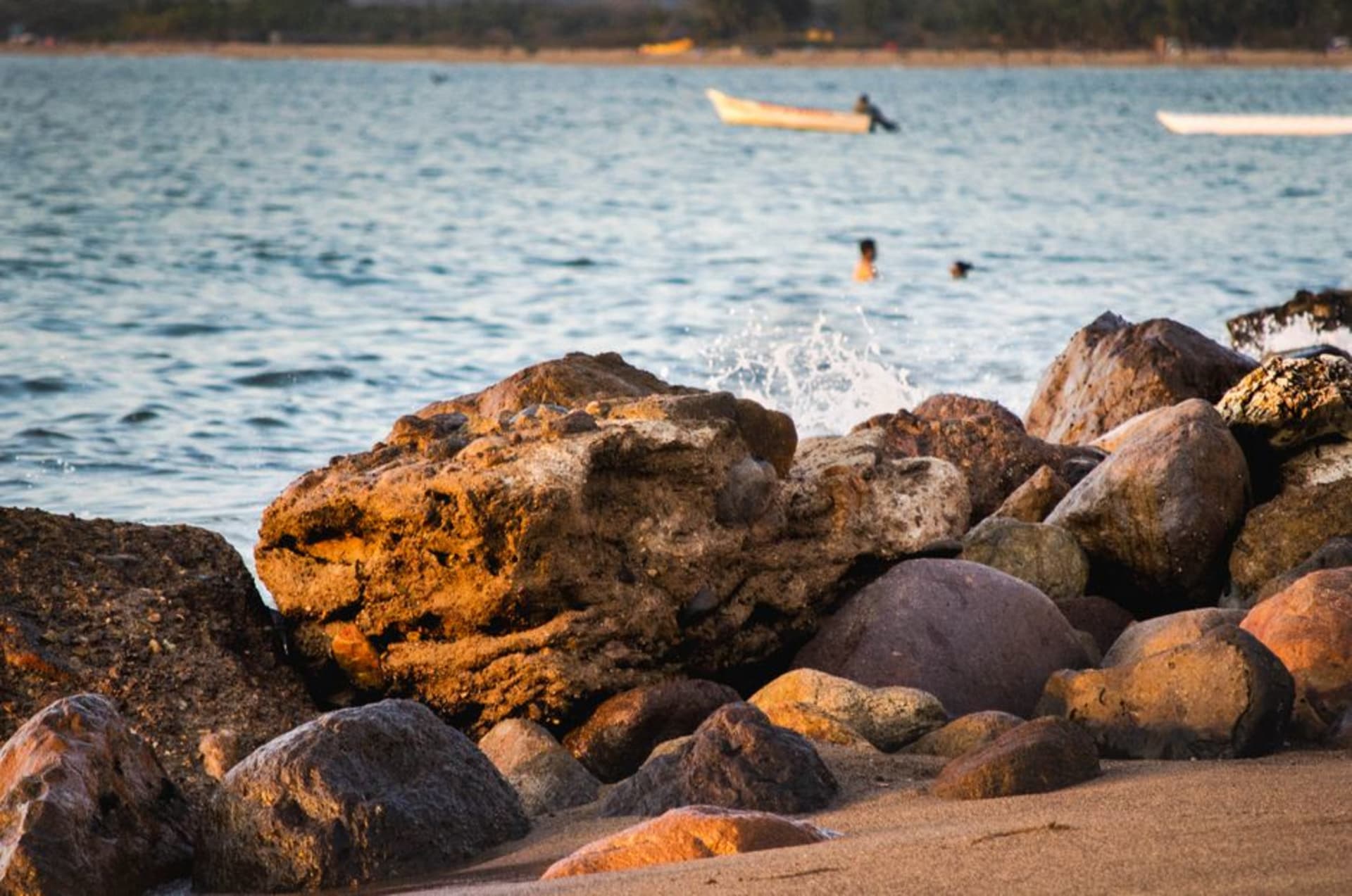
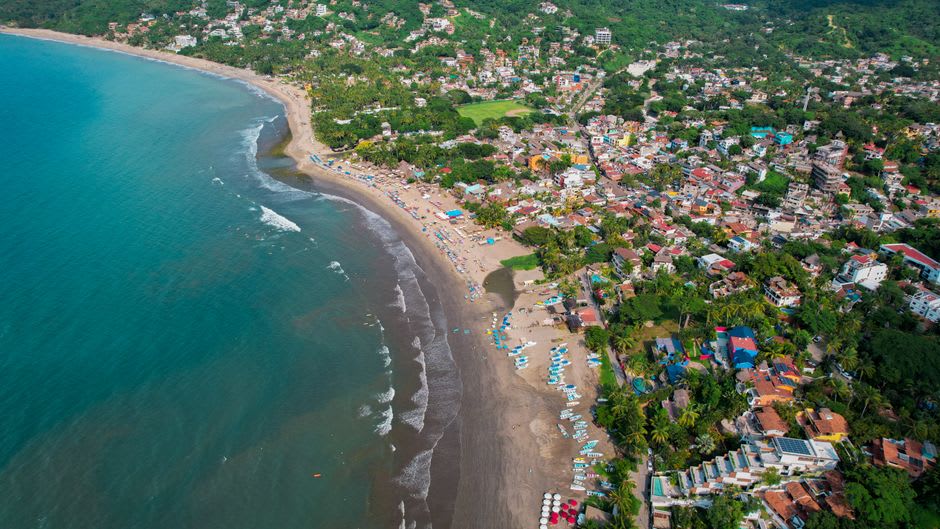
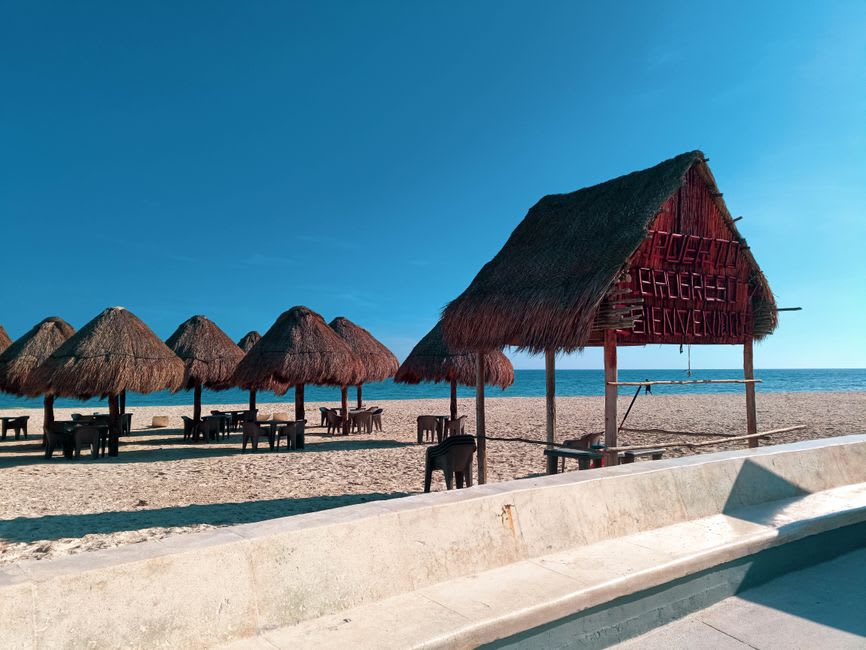
Lo de Marcos sits on a stretch of Nayarit coastline that has largely avoided the infrastructure that Sayulita and Punta de Mita accumulated through the 2000s and 2010s. The beach runs roughly three kilometers, and most of it is just beach — dark Pacific sand, reasonable waves, a line of old palapas at the northern end that have been there long enough that their support posts are no longer entirely vertical. I walked the full length both mornings I was there. In that time I passed maybe twelve people, a dog asleep in the surf foam, and one man with a wheelbarrow who appeared to be moving rocks from one end of the beach to the other for reasons I did not investigate. The Pacific here is not always friendly — there is a decent break at the south end and the current pulls — but in late morning at low tide it is calm enough to swim without thinking too hard about it. Sunset arrives in stages from behind the hills to the north and turns the water a color that has no useful name.

Fish That Arrives From Offshore
The restaurants along the beach at Lo de Marcos operate on a model that is increasingly rare on the Mexican Pacific coast: the fish is local, the menu is short, and nobody is trying to impress you. At Palapa Marcos — a covered terrace about forty meters from the water — I ate a whole huachinango frito on my second day that had been caught that morning. The waiter confirmed this by pointing at a boat still visible on the horizon. It arrived with rice, beans, handmade tortillas, and a bowl of salsa that tasted of tomatoes left in the sun. I ordered the same thing the following afternoon. On my fourth morning in town I found a small fish market one street back from the malecón where a woman was selling tuna fillets and striped sierra from a table under a shade cloth. The fishermen go out at four in the morning, she told me. By nine the good pieces are gone.
Moving at Lo de Marcos Speed
The Pueblo Mágico designation arrived in 2012, and Lo de Marcos has absorbed it without particularly changing. The central plaza has the requisite church — a modest white structure dedicated to San Marcos with bells audible from most of the town at seven on Sunday mornings. A small market sets up Thursday mornings behind the plaza; I bought mangoes and a bag of tamarind candy. The commercial street, Avenida México, takes about six minutes to walk end to end. I stayed at a posada two blocks from the beach called La Paloma — clean rooms, a courtyard with a mango tree, ceiling fans that function. Come without a fixed checkout date if you can manage it. The town operates on a logic that makes leaving feel like a decision requiring more justification than it probably deserves.
Getting There
From Puerto Vallarta airport, Lo de Marcos is about ninety minutes north on Federal Highway 200. Buses and combis run from Puerto Vallarta’s bus terminal toward San Blas and stop in town; from Tepic’s Central de Autobuses the ride is around two hours. There is no dedicated parking lot but street space near the plaza is generally available. A taxi from Tepic runs around 350 to 400 pesos.