La Cruz de Huanacaxtle
"La Cruz de Huanacaxtle is where marina life meets the Mexican Pacific at its most generous — the Sunday market alone is worth the drive from Puerto Vallarta."
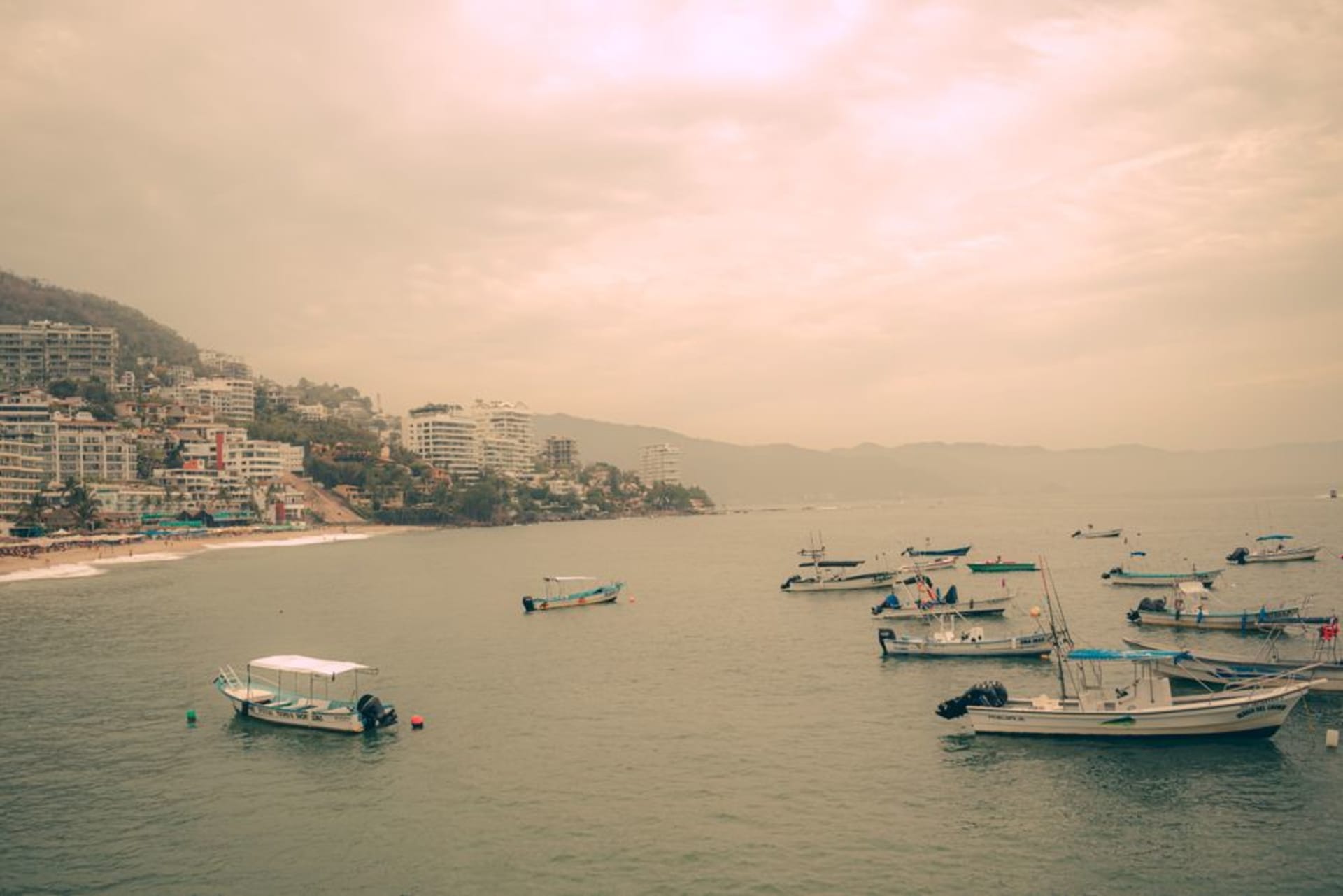
La Cruz de Huanacaxtle announces itself with masts. Coming down from Bucerías on a Sunday morning, the marina appears below the hill like a period at the end of a long sentence — hundreds of sailboats and catamarans anchored in the protected bay, rigging catching the early light off the water. I had come for the flea market and stayed three hours longer than I planned. That tends to happen in towns where the liveaboard population has been here long enough to develop strong opinions about coffee, and where those opinions have quietly shaped every restaurant that opened in the decade since the marina expanded.
The Sunday Market and What It Reveals
The flea market runs every Sunday morning along the malecón, starting around nine and winding down by early afternoon when the heat convinces everyone to find shade or a cold Pacifico. The stalls are a particular kind of organized chaos: handmade jewelry next to imported hot sauce next to a Canadian selling the hiking boots he no longer needs because he bought a boat. But between the expat ephemera, there is genuinely good produce — mangoes from the interior, fresh herbs, tlayuda-sized tortillas from a woman who arrives with a cooler and leaves with nothing in it. The prepared food section rewards patience. I found a stall run by a family from Tepic selling birria tacos at a price that suggested they had not yet noticed what the marina restaurants charge for the same animal. The market is a snapshot of what La Cruz actually is: part fishing town, part floating international suburb, and comfortable enough with the contradiction not to explain itself.
Pescado Zarandeado: The Version I Compare All Others To
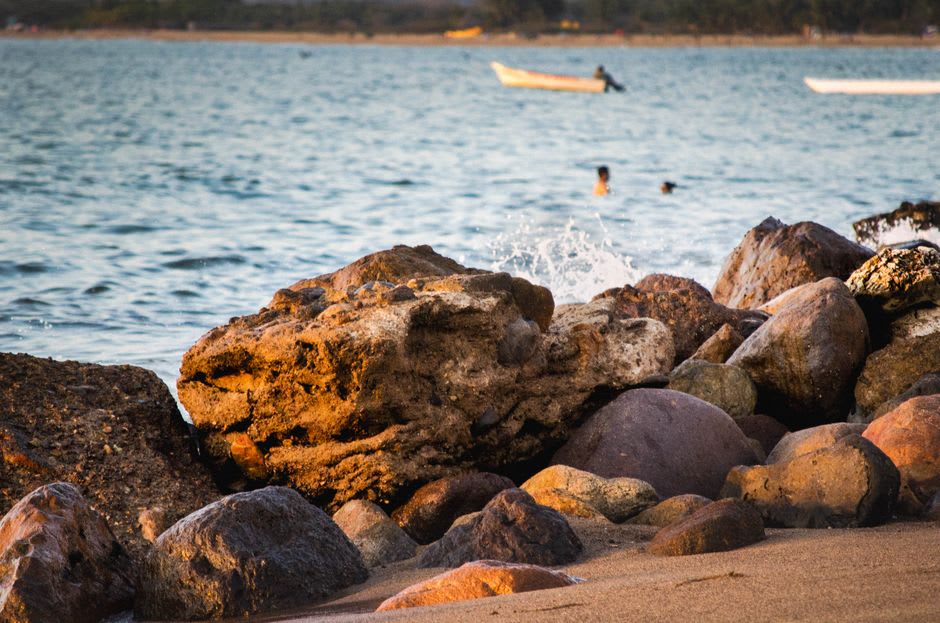
The one I keep returning to is not from a restaurant. It comes from a palapa on the sand north of the main dock, past the fuel station, where a man has been grilling red snapper over a wood fire since before the marina had its current footprint. Zarandeado means something specific here: the fish is butterflied, rubbed with a paste of chile guajillo, achiote, and citrus, then suspended in a wire cage over slow-burning mesquite long enough that the flesh takes on a real smoke and the skin chars black at the edges. It comes with handmade tortillas, a bowl of finely chopped white onion and cilantro, and a salsa roja with a heat that arrives two beats after you decide you are fine. I have eaten zarandeado in Mazatlán, in Manzanillo, in a dozen beach towns between here and Oaxaca. This version is the one I think of first when someone asks what the dish is supposed to be.

The Marina and What Surrounds It
The restaurants along the dock cater openly to the sailing crowd — menus in English, prices in dollars, wine lists that would not embarrass a place in Sayulita. I don’t begrudge it. The people who live on those boats have chosen a life of controlled discomfort in exchange for views like this one, and they have earned their consistency. What the marina dining does well is exactly that: reliable ceviche, cold drinks, and the comfort of somewhere that knows its audience. For the evening, I prefer the palapas on Avenida de los Cocoteros — cheaper, louder, and more honest about the fact that La Cruz is still, underneath the expansion, a working fishing town that noticed the money and made sensible decisions about it.
Getting There
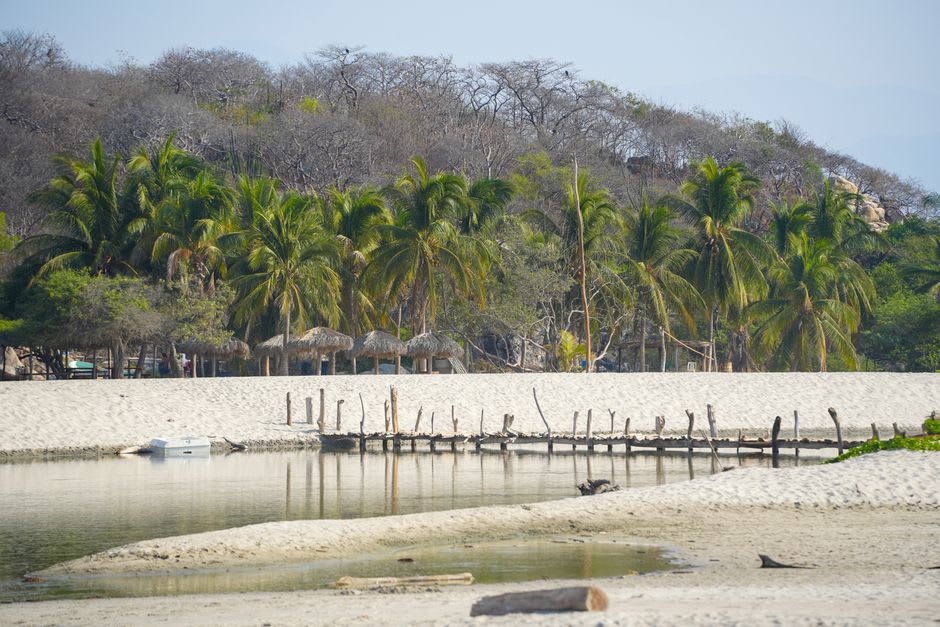
La Cruz de Huanacaxtle sits about 20 kilometers north of Puerto Vallarta airport — roughly 30 minutes by taxi or Uber, longer on Sundays when market traffic backs up on the coastal highway. From Puerto Escondido the practical route connects through PVR. There is no bus terminal in La Cruz itself; local combis run from Bucerías and the main Puerto Vallarta corridor on Highway 200.