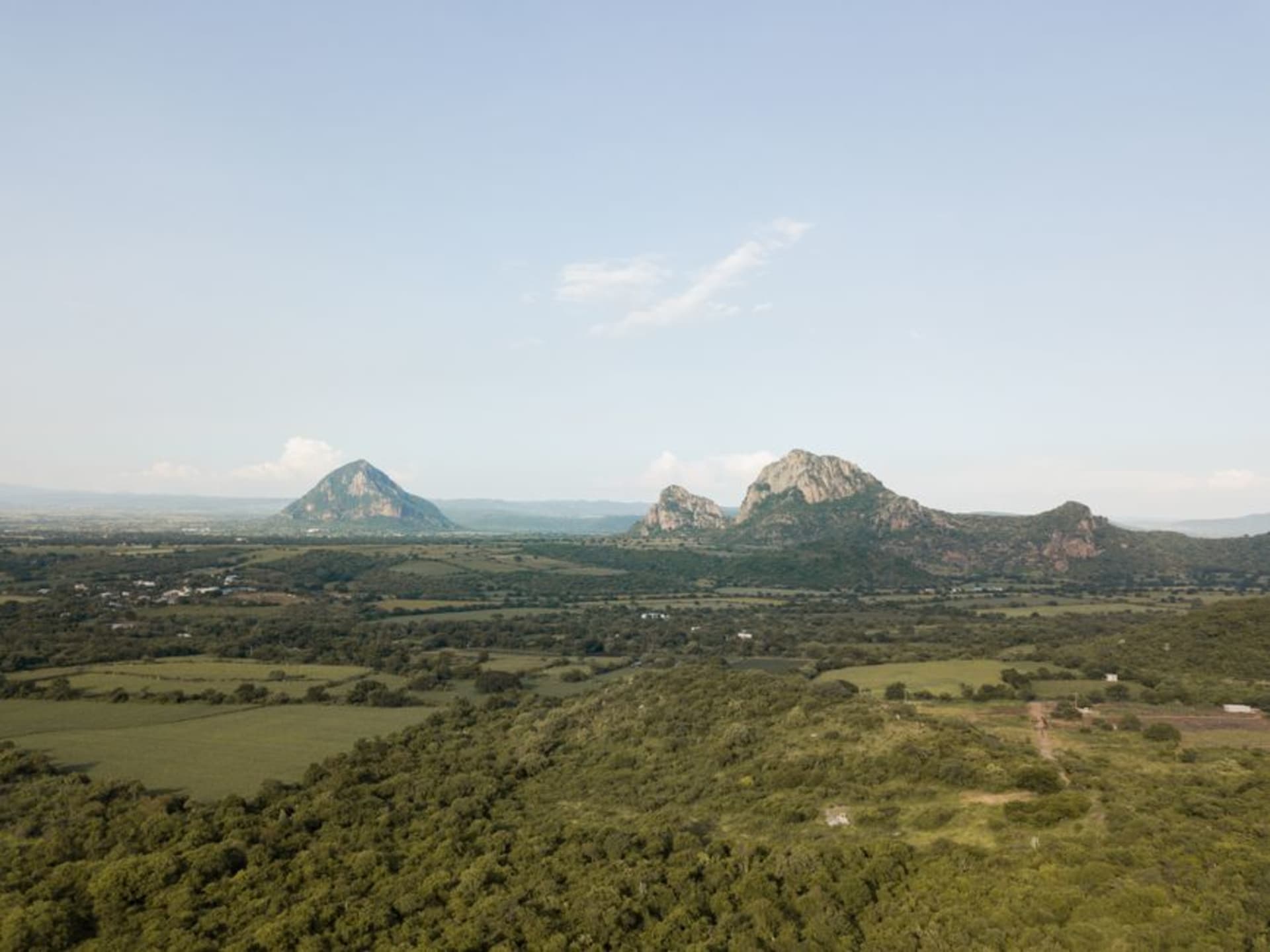
Jantetelco
"The petroglyphs are not marked on any sign. A farmer pointed me in the right direction and charged nothing for the information."
I had driven through Morelos half a dozen times on the way to somewhere else before I finally stopped in Jantetelco. It sits in the dry eastern corner of the state, past the sugar-cane flats, where the land starts folding itself up into the sierra and the vegetation turns spare and thorned. I arrived on a Thursday morning in February, the light already hard by nine, and found a plaza that seemed entirely occupied by a single sleeping dog and the smell of something frying in oil nearby. I followed the smell to a woman selling gorditas de chicharrón from a comal balanced over two gas burners, ate two standing up, and decided I was staying the night.
The Petroglyphs in the Fields
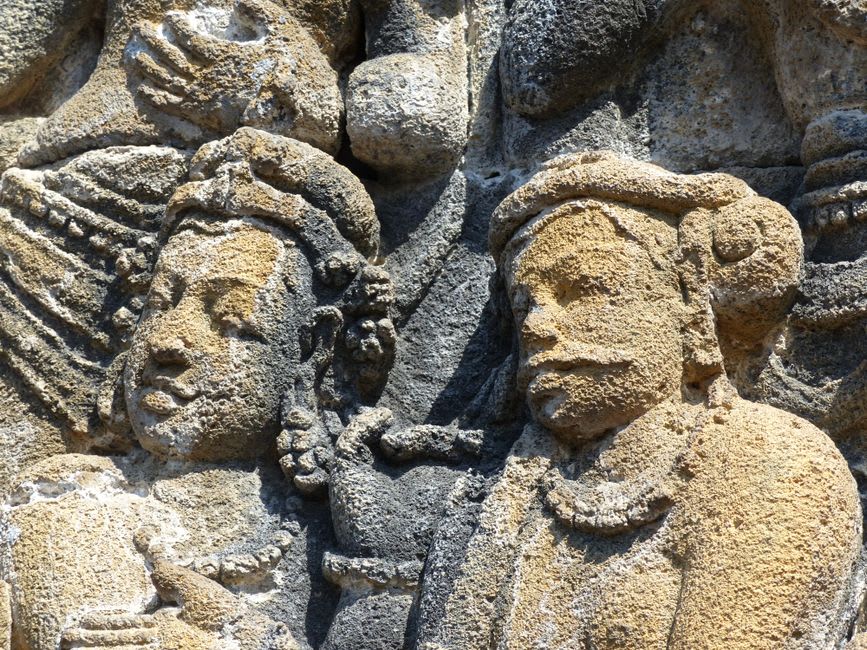
Nobody in the tourist infrastructure of Morelos seems particularly aware that Jantetelco has petroglyphs. There are no signs on the highway, no pamphlets at the municipal office, and the community ecotourism project — which does exist, and does operate — runs on word of mouth and a phone number painted on a wall near the church. The carvings themselves are scattered across boulders in the agricultural land east of town, spirals and anthropomorphic figures and geometries that nobody can date with certainty, worn by centuries of weather into the stone’s grain. A local guide named Aurelio walked me out through milpa rows and dry scrub for about forty minutes to reach the main cluster. He named the figures in Nahuatl and Spanish and said he did not know what most of them meant, which I found more honest and more interesting than the confident explanations I have heard at better-publicized sites.
The Dry Forest and What Lives In It
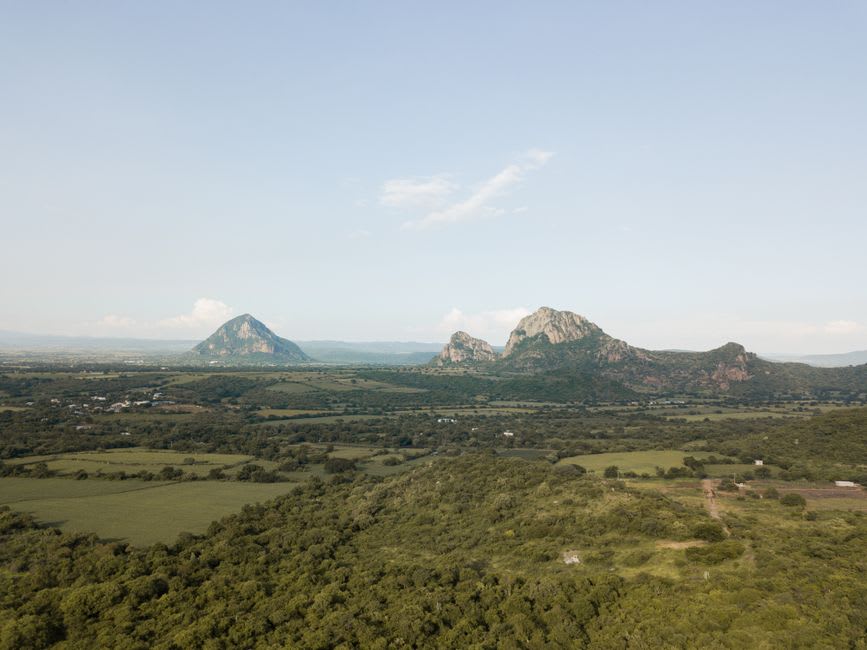
The sierra behind town is classified as selva baja caducifolia — the low, seasonally deciduous forest that covers a lot of interior Mexico and gets almost no attention because it is not a jungle and not a desert and does not photograph dramatically. In February it is mostly leafless, the trees stripped back to silver and ochre bark, the floor crackly underfoot, the air carrying the faint resinous smell of copal warming in the sun. Aurelio pointed out morning doves, a pair of white-tailed deer that watched us from a ridge for thirty seconds before deciding we were not worth the energy, and the track of an armadillo in a patch of bare soil. What strikes you is how quiet it is. Jantetelco has maybe eight thousand people in the municipality and not many of them seem to be on this hillside on a weekday morning. That quietness is the thing itself — not a backdrop for something else, just a dry forest being a dry forest.
The Town at Midday
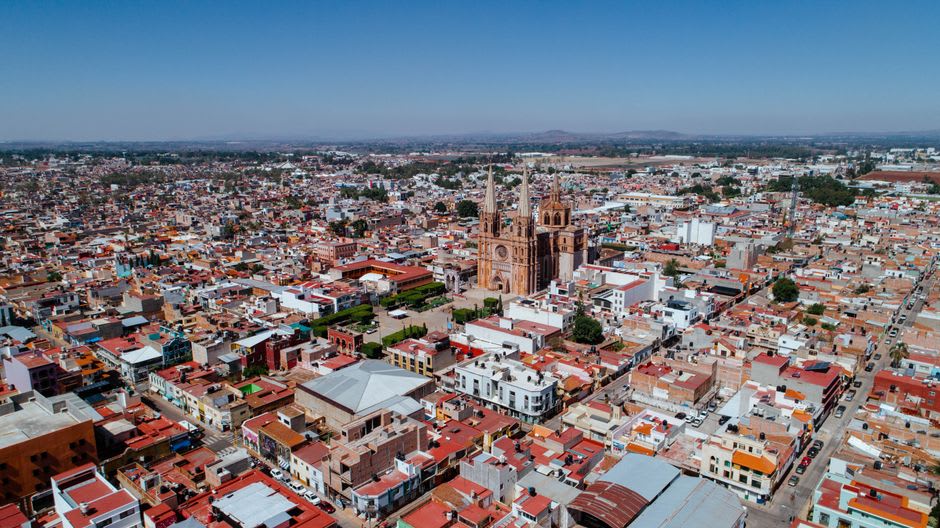
By noon I was back in the plaza, which had reorganized itself since morning: the dog was still there but had been joined by several men on benches and a woman selling tlayudas from a folding table under a tarp. The market on Calle Hidalgo has the ordinary compression of a small Morelos market — plastic goods, dried chiles, a man selling medicinal herbs from a blanket, a tortillería producing a steady mechanical rhythm at the back of a narrow passage. I bought a bag of chiles chipotles in adobo, homemade, labeled with a piece of masking tape. The woman who sold them told me the price and then told me twice more in case I had not understood. I had understood the first time but did not say so.
Getting There
Jantetelco is roughly 100 km southeast of Cuernavaca. From Cuernavaca’s terminal, take a second-class bus toward Cuautla and transfer there to a combi or colectivo for Jantetelco — total journey around two hours. By car, take MEX-160 east from Cuautla. For the ecotourism walk to the petroglyphs, ask at the municipal office or look for the phone number painted near the church of San Juan Bautista.