Huitzilac
"I had been sweating through every day in the lowlands. One afternoon in Huitzilac's pine forest and I remembered what cold air actually smells like."
The temperature drops somewhere on the switchbacks above Cuernavaca — you feel it before you see the change in vegetation, before the mango trees give way to oyamel firs and the roadside vendors swap tropical fruit for mushrooms and honey. I’d driven up on a Tuesday in late October, no particular plan, just following a green patch on the map that nobody I’d asked could describe in more than two words. By the time I pulled into Huitzilac’s main square and stepped out of the car, I was already reaching for the sweater I’d had no use for in weeks.
The Lakes That Stopped Me
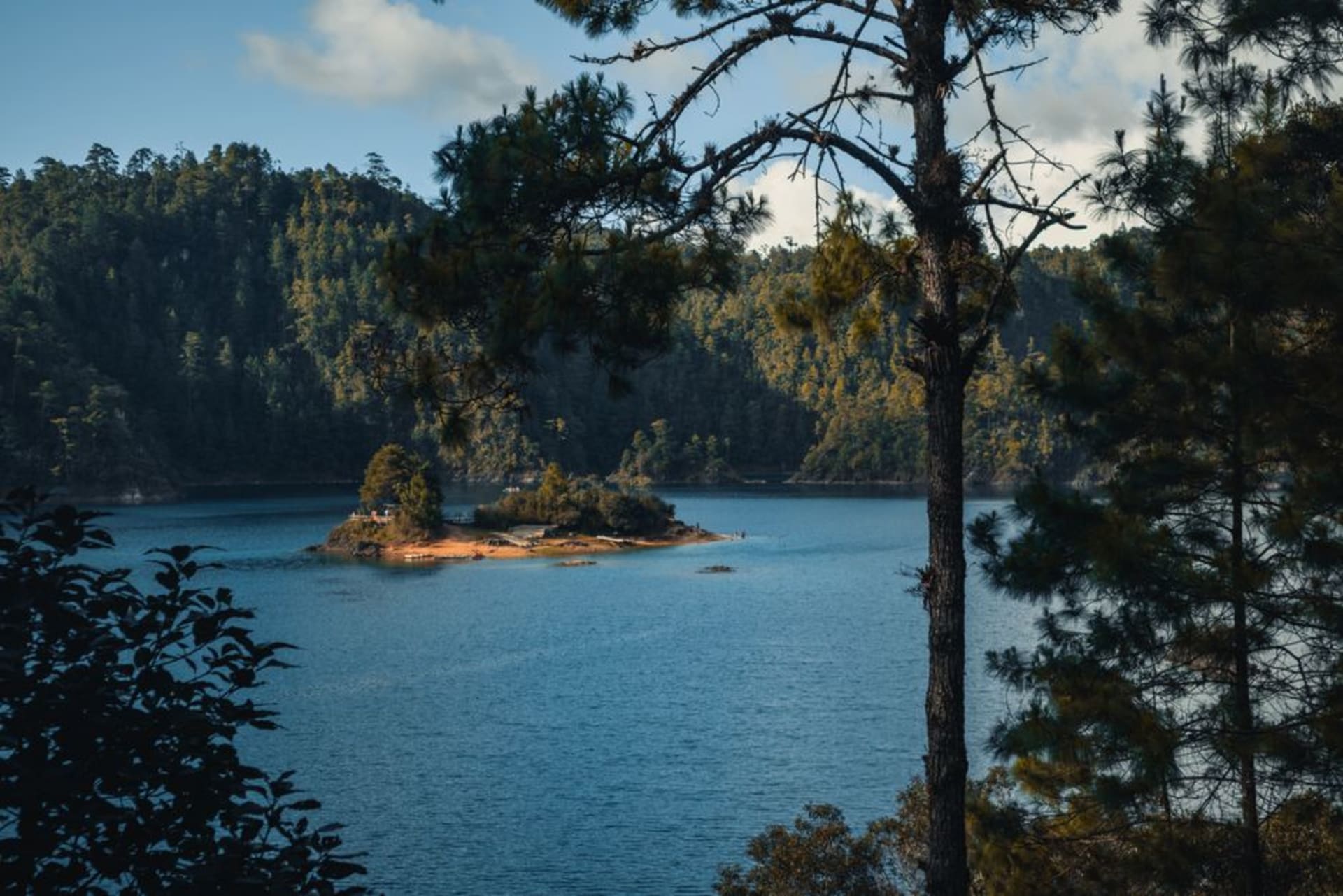
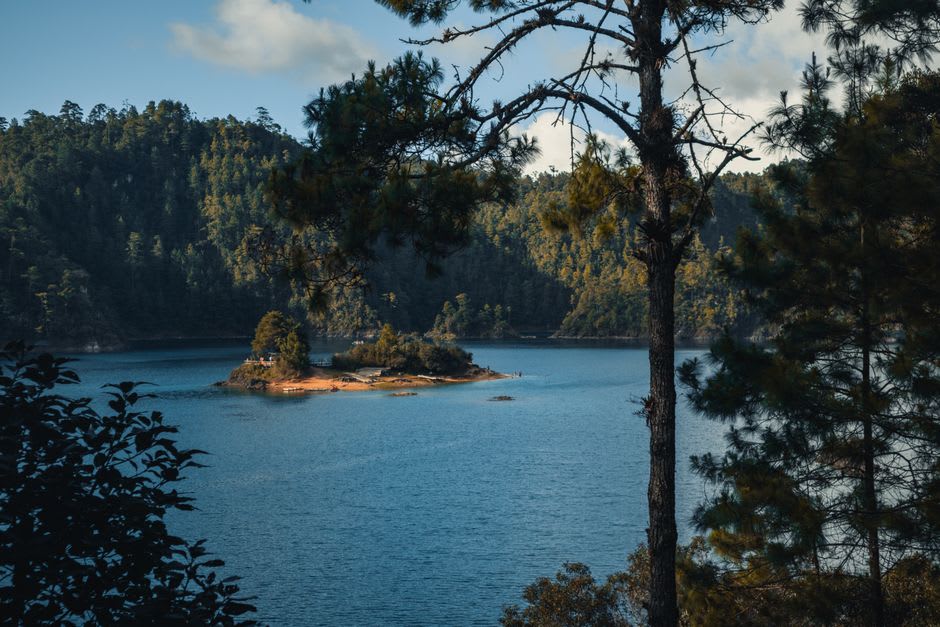
The Lagunas de Zempoala sit inside a national park that most people treat as a corridor between Mexico City and Cuernavaca. Seven crater lakes scattered through pine-oak forest above 3,000 meters, each with its own color and character depending on the light and the season. Laguna Zempoala is the largest and the most visited, which still means a handful of families with thermoses on a weekday. Laguna Quila, a short walk further in, is nearly always empty. I sat on a flat rock at its edge for the better part of an hour watching a pair of ducks work the shoreline and felt no particular impulse to move. The air was thin enough to notice on the uphill sections. The water held the particular grey-green of altitude lakes everywhere. There were no vendors, no signage, nothing that required a decision. I ate a quesillo I’d bought in the village and considered that this was about as uncomplicated as a good afternoon gets.
What You Eat When It’s Cold
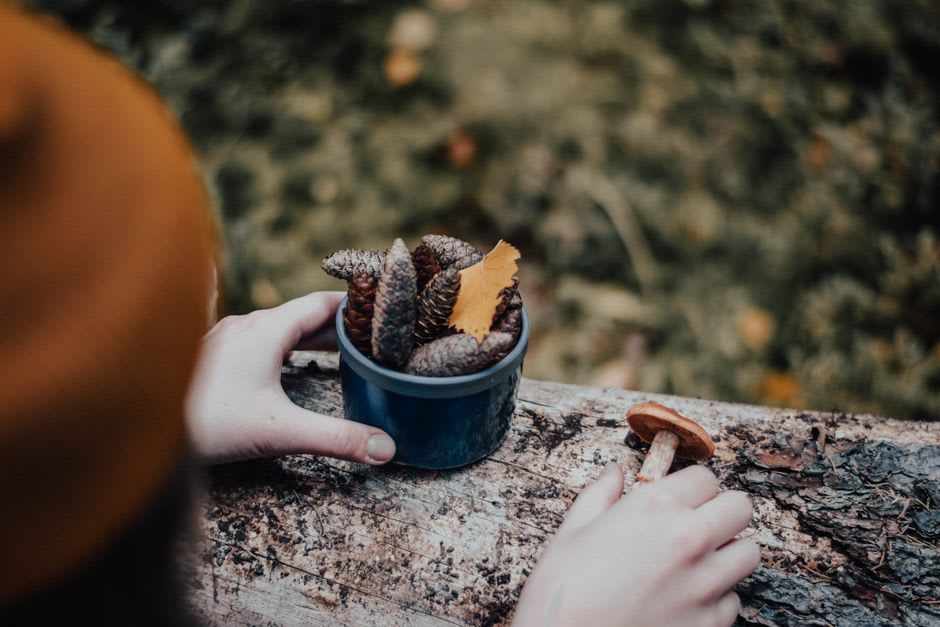
The market on Calle Hidalgo runs small — maybe fifteen stalls on a Saturday — but it carries things you won’t find at lower elevations. Hongos del bosque arrive still damp from the morning: clavitos, enchilados, the occasional boletus that would cost serious money anywhere else. A woman named Berta, whose table sits closest to the church steps, sells them by the kilo alongside quelites and a dark, almost bitter honey from hives kept in the forest. I bought both. The proper way to use the mushrooms, she told me without my asking, is in a quesadilla with Oaxacan cheese and a handful of epazote — not the chile-heavy preparations of the lowlands. There are two comedores on the square. The one without a name above the door serves carnitas on Sundays that arrive in a small clay cazuela still spitting fat. I drove back up on the Sunday. It was worth every kilometer.
How to Use the Place
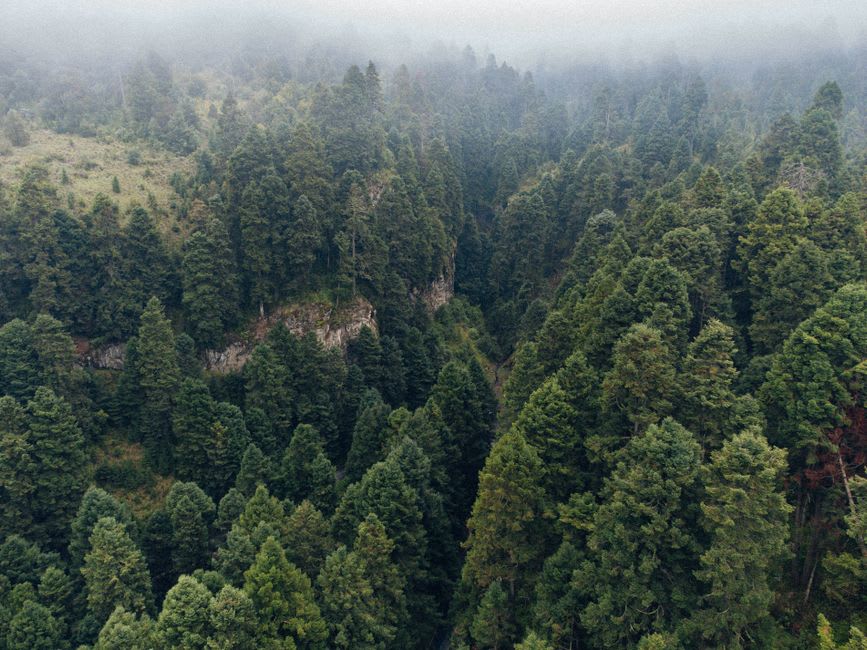
Huitzilac is not somewhere you build an itinerary around — it is somewhere you give a full day and leave with nothing checked off a list. Walk at least two of the Zempoala lakes: three hours minimum, four if you want to stop properly. Leave before dark because the fog descends fast on this section of the Sierra and the road off the mountain requires attention. Bring a real jacket, not the thin layer you’ve been carrying since February and never actually needed. Mornings are clearer than afternoons in the dry season; arrive early if you want the lakes without cloud cover. The national park entrance is a twenty-minute walk from the village center. There is a small cash fee at a wooden booth. Nobody there will try to sell you a guided tour.
Getting There
Huitzilac is forty minutes north of Cuernavaca on the road toward Tres Marías. Colectivos depart regularly from Cuernavaca’s central bus station and drop you at the village square for a few pesos. The dry season — October through April — gives the clearest skies over the lakes; the rainy season brings dramatic fog but poor trail visibility. There is no ATM in Huitzilac. Bring cash for the park entrance, the market, and the comedor.