Zitácuaro
"When the sun hit the forest at El Rosario and a hundred million wings opened at once, I stopped trying to photograph it and just stood there. Some things you can't compress into a frame."
I arrived in Zitácuaro on a Tuesday morning in January, having taken the bus from Morelia — three hours of pine forests and slow descents into valleys that felt deliberately withheld from the rest of Mexico. The market off the central plaza was already running at full speed: carnitas folded into brown paper, atole in ceramic cups, a teenager selling strawberries by the kilo from a hand truck. Zitácuaro is like that — a functional, unself-conscious city that goes about its business while everyone else arrives with binoculars and is just passing through on their way to the mountains above.
Two Hundred Million Wings
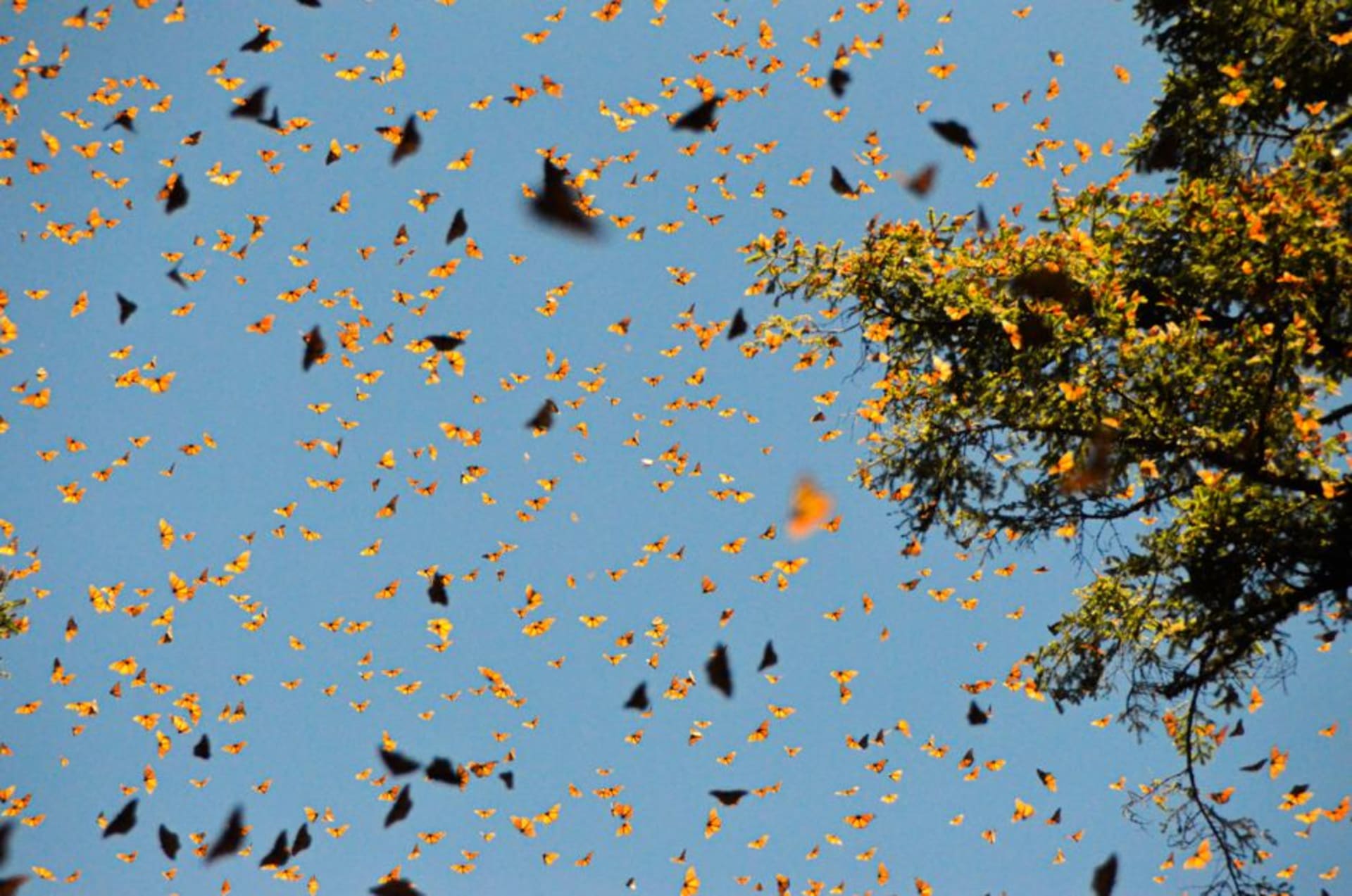
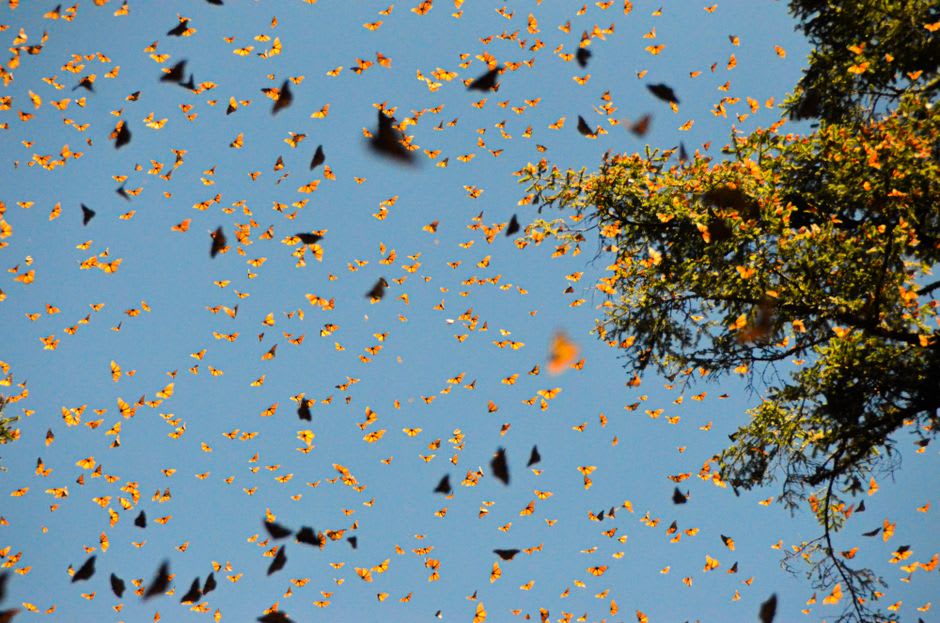
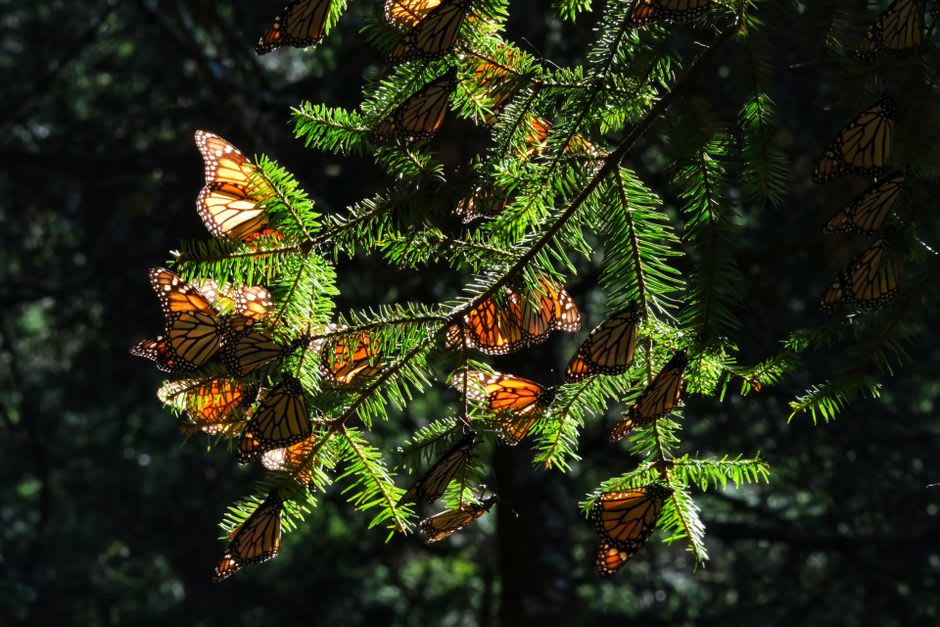
The thing nobody fully prepares you for is the scale. I had read the number — 200 million monarchs — and it had not helped. Numbers that size are abstract until you are standing in the oyamel forest at El Rosario at eight in the morning, and the trees are simply orange. Not a branch here, a cluster there. Orange. Every surface colonized, every limb bent slightly under the weight of them.
The guide told me to wait for the sun. When it finally cleared the ridge, maybe forty minutes into the hike, the temperature shifted and the butterflies began opening their wings simultaneously. The sound is genuinely odd — a soft, continuous rustling you feel as much as hear, like rain falling through a canopy that keeps getting denser. I took three photographs and then put my phone in my pocket because I was missing it. I stood there for a while. It is one of the only times in years of travel that I found myself with nothing useful to say afterward.
Pozole on a Cold Morning
The town itself deserves more than it gets, which is mostly people passing through in search of lepidoptera. The Mercado Morelos is the kind of market that actually functions — produce vendors who know their regulars, fondas serving breakfast from six in the morning — rather than performing its own authenticity for visitors.
The cathedral on the plaza dates to the eighteenth century and is quietly beautiful, the kind of building that doesn’t announce itself. But the thing I kept returning to was the pozole. I had a bowl at a place on Calle Francisco I. Madero — red, dense, the pork falling apart, served with a stack of tostadas and dried oregano in a small clay dish. At 2,100 meters in January, with the morning still cold and the mountains visible from the window, it was exactly right. Zitácuaro is not a destination in itself, but it has the texture of a real place, and that turns out to be rarer than it sounds.
Planning the Sanctuary Visit
Go in January or February — the colony is at its most concentrated, the mornings are cold but clear, and you need clear skies for the sun to reach the forest floor. November is also possible but the butterflies are still settling. By late March they begin migrating north and the trees are emptying.
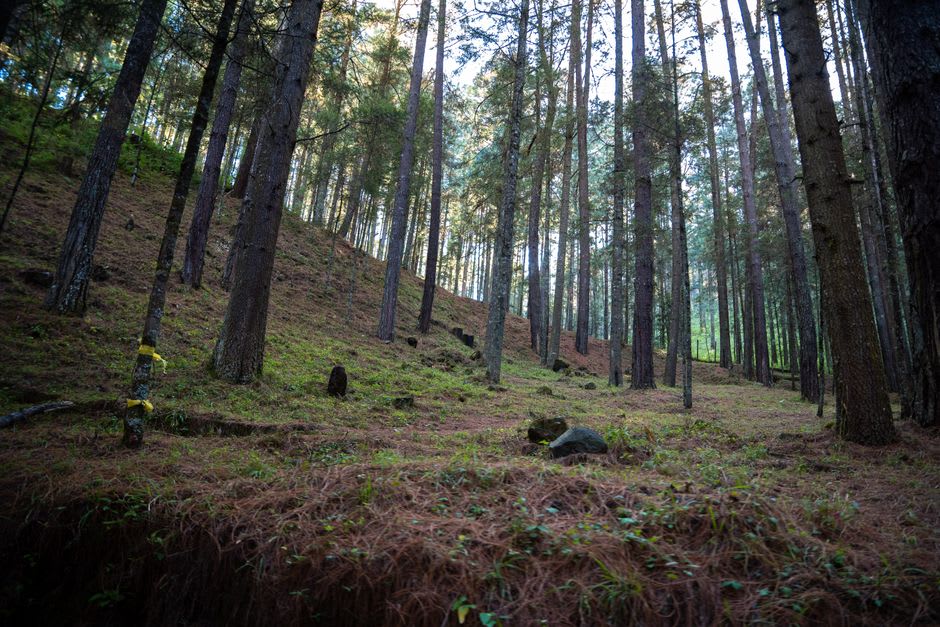
El Rosario is accessible by combi from Zitácuaro toward Ocampo — the larger and better-organized of the two main sanctuaries. Arrive early. Bring a jacket you wouldn’t mind getting orange wing-dust on, and wear flat shoes; the path climbs and gets muddy. Hire a local guide inside the sanctuary rather than the freelancers at the parking lot. The guides who work the forest every season know exactly which sections are currently active.
Getting There
Morelia is the nearest airport, about two hours by car or three by ADO bus. From Mexico City, Terminal Poniente runs buses that take around four hours. Zitácuaro sits at roughly 2,100 meters — pack for cold nights even in the dry season. Outside butterfly season, between November and March, there is little reason to linger more than a day.