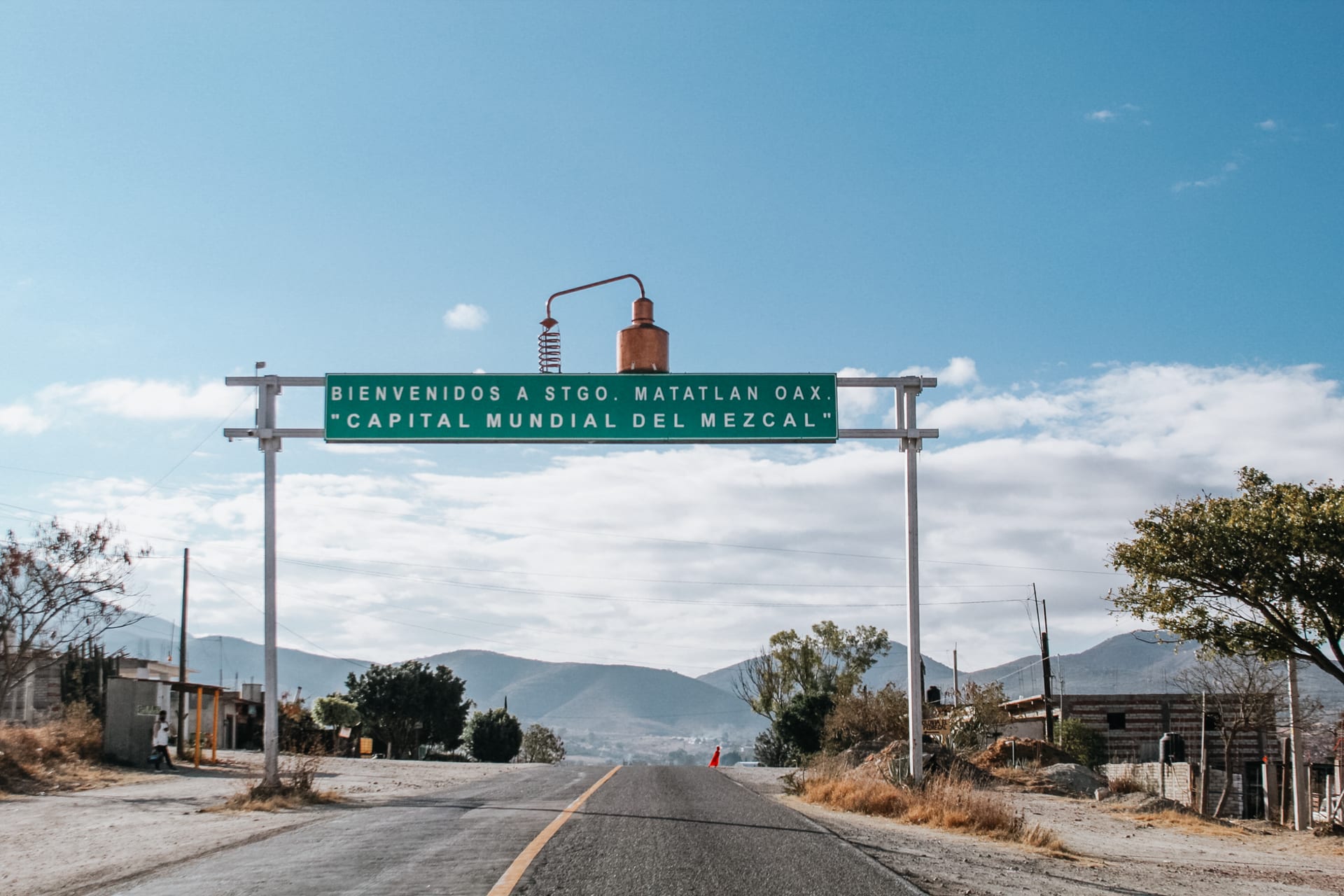
Santa Clara del Cobre
"You hear the town before you see it — a constant low hammering that rises out of the valley."
The first indication that you are approaching Santa Clara del Cobre is acoustic. The road from Pátzcuaro drops through a fold in the Michoacán highlands, and somewhere in the descent — perhaps two kilometers out — you begin to hear it: a distributed metallic percussion, overlapping rhythms of different weights and speeds, that resolves as you get closer into its constituent parts. Somewhere a heavy hammer is shaping a bowl. Somewhere else, a lighter one is chasing a decorative border. The whole town is a workshop, and the workshop is always open.
Fifteen kilometers southeast of Pátzcuaro, Santa Clara del Cobre — officially named Villa Escalante, though no one calls it that — has been a copper-working town since before the Spanish arrived. The P’urhépecha people were working copper in this valley when the conquistadors came, and the colonial authorities, recognizing the craft’s value, organized workshops here under the supervision of Vasco de Quiroga, the bishop of Michoacán who assigned each lake-region community a specialized craft in the 16th century. Quiroga’s system — one village, one craft — still shapes the economy of the Pátzcuaro region five centuries later. Erongarícuaro does furniture. Tzintzuntzan does ceramics. Santa Clara does copper.
What distinguishes Santa Clara’s copper from the mass-produced sheet-metal ware you see in tourist markets is the technique. Every significant piece is hand-beaten: a flat disc of copper alloy is worked cold over a wooden or metal form, struck repeatedly with hammers of different weights until the metal draws, thins, and takes shape. The process is slow, skill-intensive, and produces a surface quality — slightly irregular, with the texture of the hammer visible at close range — that machine pressing cannot replicate. A large pot in the Santa Clara tradition takes a skilled coppersmith two to three days to complete.
Inside the Workshops
The workshops in Santa Clara are not hidden. They are the ground floors of the family houses, with wide doorways that open directly onto the street. Walking the four or five streets of the town center, you pass open workshops every thirty meters, and no one minds if you stop and watch.
I spent the better part of a morning at a workshop on the main street run by a man in his sixties who had learned the work from his father and whose son was working at the bench beside him. The piece in progress was a large basin, perhaps sixty centimeters across, being worked from a flat copper blank. He had been at it for most of the previous day. The copper at that stage was already bowl-shaped but rough, the surface showing hammer marks at different stages — the heavier work from the initial forming visible in the base, the lighter chasing marks around the rim where the metal was being thinned and refined.
He explained, without stopping his work, that the color of the metal tells you its temperature: dark red means it needs annealing — heating briefly to relieve the work-hardening — before it can be shaped further without cracking. The orange-red of new copper, which is the color you see on unpatinated pieces in the morning light, gradually darkens to brown and then, if the piece is oiled and used, to the mahogany tones of an old piece. The best old copper in Santa Clara, in the workshops and occasionally in the museum, is the color of an antique map.
The Museo del Cobre on the main plaza is small and worth an hour — it traces the history of the craft from pre-Columbian use through the colonial workshop system and into contemporary production. The finest historic pieces in the collection are in a state of preservation that tells you how durable good copper is: a 17th-century chocolate pot, its handle worn smooth by generations of use, still structurally perfect.
What to Buy and How
Santa Clara has a defined craft market, but the better buying happens in the workshops themselves. Prices in the market are higher than at the source, and the work in the workshops includes pieces that never reach the market — the experimental forms, the large architectural commissions, the one-off pieces that a maker built for themselves and might be persuaded to part with.
Ask to see the workshop’s best work. This is not presumptuous — it is expected. The relationship between a skilled coppersmith and someone who genuinely wants to understand the work is a different transaction from a tourist purchasing the first thing they see. If you ask about the process, they will show you. If you ask to see the finest piece in the workshop, they will produce it.
What I look for: the evenness of the hammered surface (a skilled maker’s work is consistent; an apprentice’s has irregular patches), the thinning of the metal at the base versus the rim (the best work is thicker at the base where it takes weight and thinner at the rim where the metal needs delicate work), and the quality of the decorative chasing, if present — the tooled geometric borders that some workshops add to finished pieces, which require an entirely different set of skills from the shaping itself.
The market also sells mass-produced copper pieces shipped in from elsewhere. These are distinguishable by their weight (lighter, thinner) and their surfaces (uniform, smooth, without the hammer texture). They are much cheaper. They are also a different object.
The August Fair
The Feria Nacional del Cobre takes place every year in mid-August — a week-long competition and market that draws coppersmiths from the entire region, with the national prize for finest piece awarded publicly. If you can be there for the competition, the range of work on display is extraordinary: large decorative panels, functional cookware of museum quality, jewelry, architectural elements, experimental sculpture.
The August fair also brings artisans from other Michoacán craft traditions — the lacquerwork from Pátzcuaro, the textiles from Zacán — which makes it one of the best craft events in the country. My first time visiting coincided with the tail end of the fair and I watched three judges evaluate a copper vessel in silence for several minutes before one of them turned it upside down to examine the base seam. The conversation that followed, in P’urhépecha and Spanish, lasted ten more minutes. The seriousness of the evaluation was not performative. These were people who knew the difference between good and exceptional and were applying the distinction carefully.
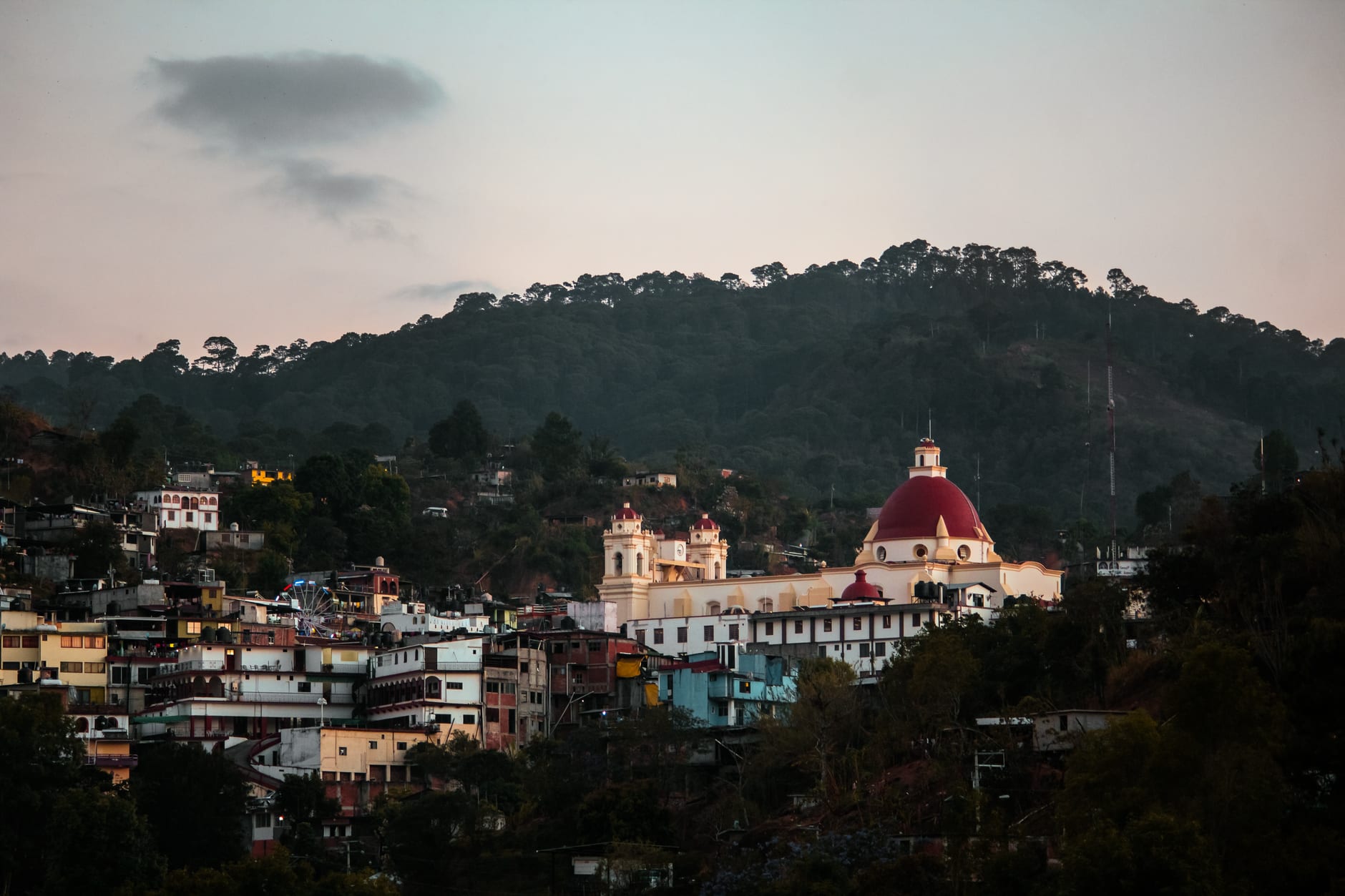
Getting there: From Pátzcuaro, colectivos to Santa Clara leave from the market area and take about twenty-five minutes. From Morelia, there are direct buses or a change at Pátzcuaro. The town is small enough to cover on foot in a half day, though if you get absorbed into workshop watching, a full day passes without difficulty.
When to go: Year-round — the workshops operate continuously and there is no seasonal variation in production. August for the fair. The November Day of the Dead period in the Pátzcuaro region is extraordinary (the lake island of Janitzio is the most famous, but Santa Clara’s own cemetery celebrations are worth attending), and a visit to Santa Clara during that period pairs naturally with the broader Michoacán itinerary.