Jungapeo
"Millions of butterflies, a thermal pool at the end of the day, and nobody trying to sell me a guided tour at twice the going rate — Jungapeo gets the balance exactly right."
I took the combí from Zitácuaro on a Thursday morning in late November, which put me in Jungapeo before the weekenders and well ahead of whatever crowds might exist. The answer, as it turned out, was almost none. The market was selling carnitas by the kilo and nobody was looking at me to see if I’d found the butterflies yet. That is an unusual sensation in this part of Michoacán, and I took it as a good sign.
The Monarchs Without the Crowd
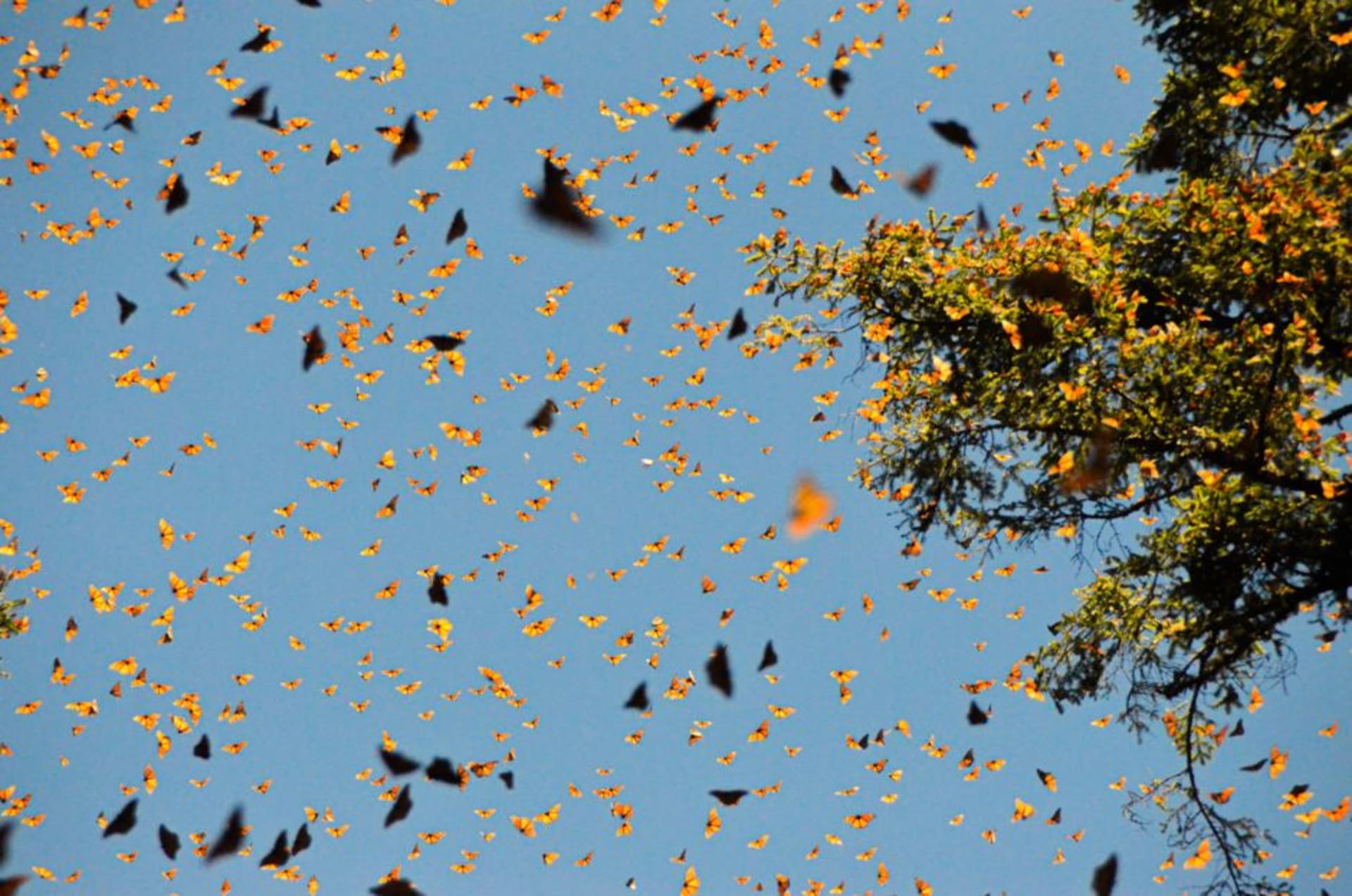
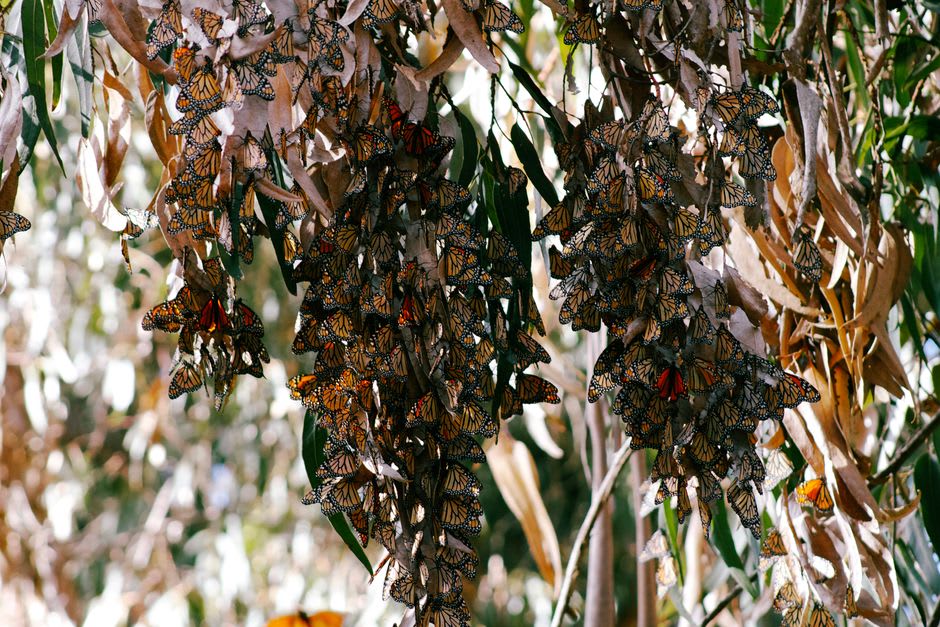
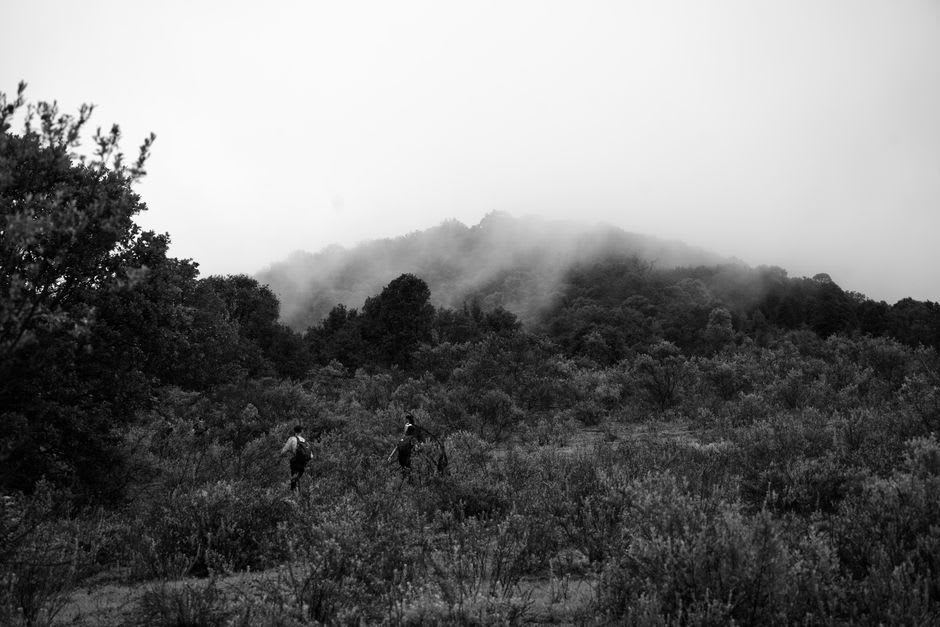
The butterflies are here for the same reason they cluster anywhere in this sierra: altitude, oyamel firs, the particular cold that slows them into torpor between migrations. What Jungapeo offers differently is the walk to reach them — a real trail through pine and fir rather than a paved ramp with souvenir vendors stationed at fifty-meter intervals. I went up in the early morning when the air was cold enough that I could see my breath, and the first sign of the colony was sound: a dry rustling, like a river moving through leaves, before anything orange came into view. When the sun broke over the ridge around nine-thirty, the trees seemed to exhale. Wings opened in sequence, thousands of them, and for a few minutes the air was entirely butterfly. The guides at El Rosario or Cerro Pelón run a slick operation and I understand the appeal, but there is something to be said for encountering this phenomenon in a place where the infrastructure hasn’t quite caught up to the miracle.
The Balneario Logic
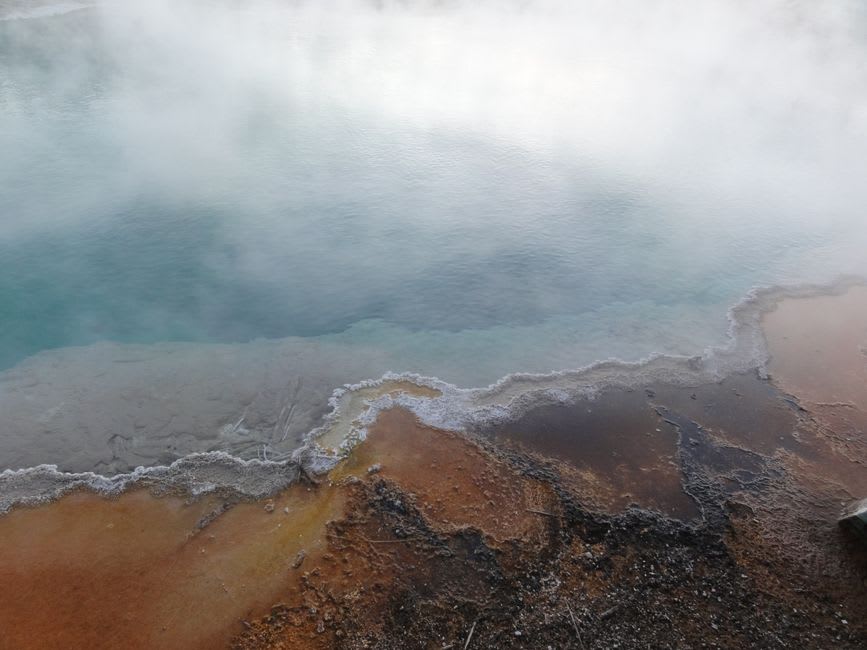
The thermal pools in Jungapeo are not a spa. Let me be clear about this: the tiles are modest, the changing rooms are functional, and the water temperature varies depending on which pool you choose — somewhere between warm bath and aggressively hot. None of this matters because after three hours on a mountain trail at two thousand meters, what you want is to submerge and stop moving, and the balneario delivers that completely. I arrived in the late afternoon when a few local families had taken over the larger pool, which suited me fine — the smaller one held the heat better anyway. Zitácuaro, which is the usual base for butterfly tourism in this region, does not have this. The famous sanctuaries don’t have this. Jungapeo has butterflies in the morning and hot water in the afternoon, and whoever designed that itinerary understood something important about how a day should end.
What the Market Knows
The mercado municipal in Jungapeo is the kind of place where you eat standing up at a plastic-topped counter and the woman serving you asks where you’re from with the same tone she’d use to ask which tortilla you want. I had uchepos — fresh corn tamales, sweet but not dessert-sweet — with a bowl of atole de guayaba on the side. Carnitas are the serious business here, as they are everywhere in Michoacán, sold by weight and eaten immediately with salsa verde from a communal container. Come back on a Sunday morning if you can; the market doubles in size and the carnitas operation starts before six.
Getting There
Zitácuaro is the transit hub. From Mexico City’s Terminal Poniente, buses run to Zitácuaro in about three hours; from there, combís to Jungapeo leave from the market area and take around forty minutes. Most people use Zitácuaro as a base, which makes Jungapeo viable as a day trip — though there are basic guesthouses in town if you want the morning forest entirely to yourself.