Cotija
"The first wheel they let me taste at the market was so salty and sharp it made me blink — exactly right, the vendor said, as if that were the only quality worth having."
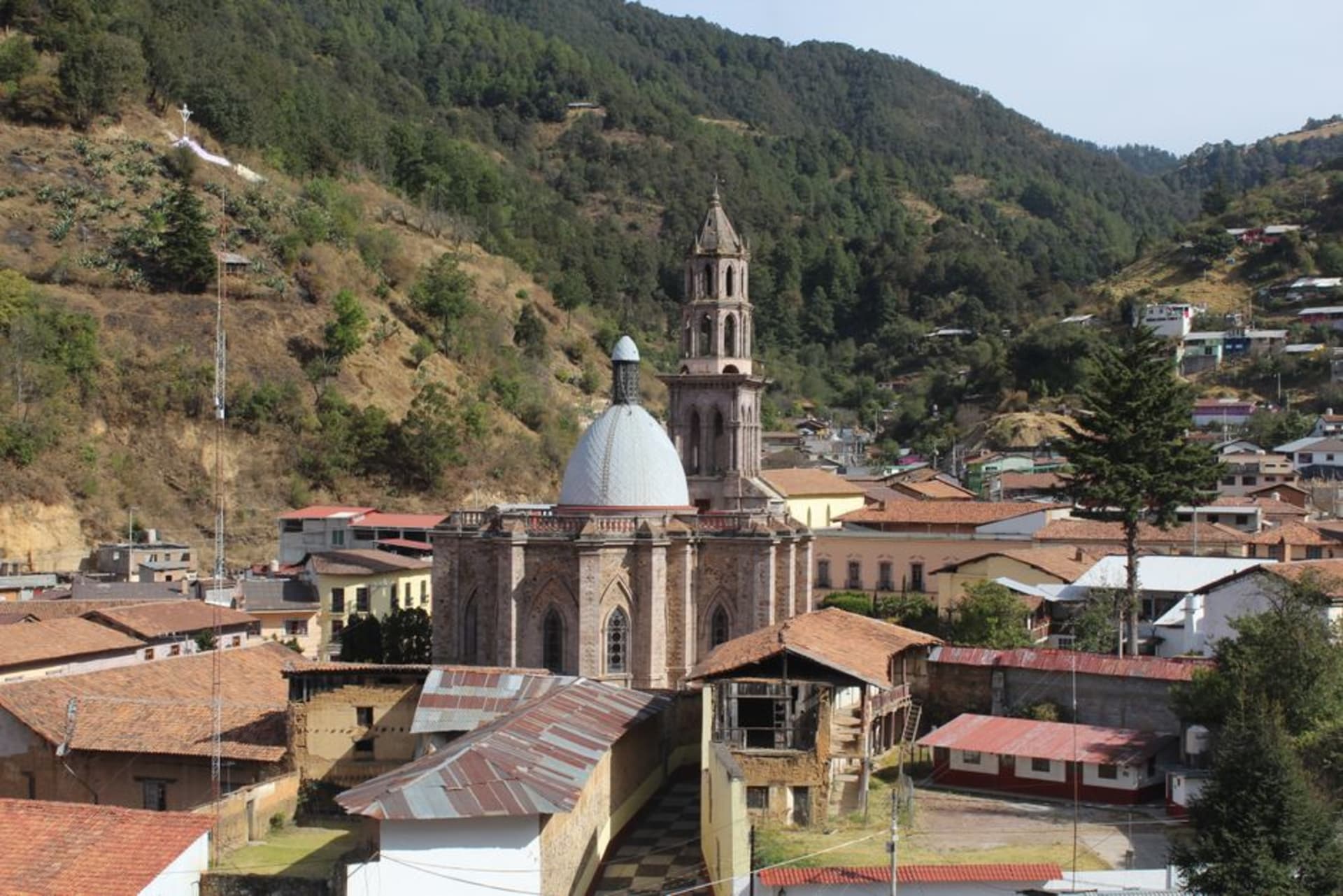
I had been eating cotija cheese for four years — crumbled over black beans, pressed into tlayudas, dusted across tostadas at the comedor down the street in Puerto Escondido — before it occurred to me to find out where it actually came from. The town does not appear on most tourist maps, tucked into the mountains above the Jalisco border, a two-hour detour from Zamora that almost nobody makes. When I finally drove in, I had the particular feeling of arriving somewhere that has been feeding the rest of Mexico for centuries without anyone saying thank you.
The Cheese That Built the Town
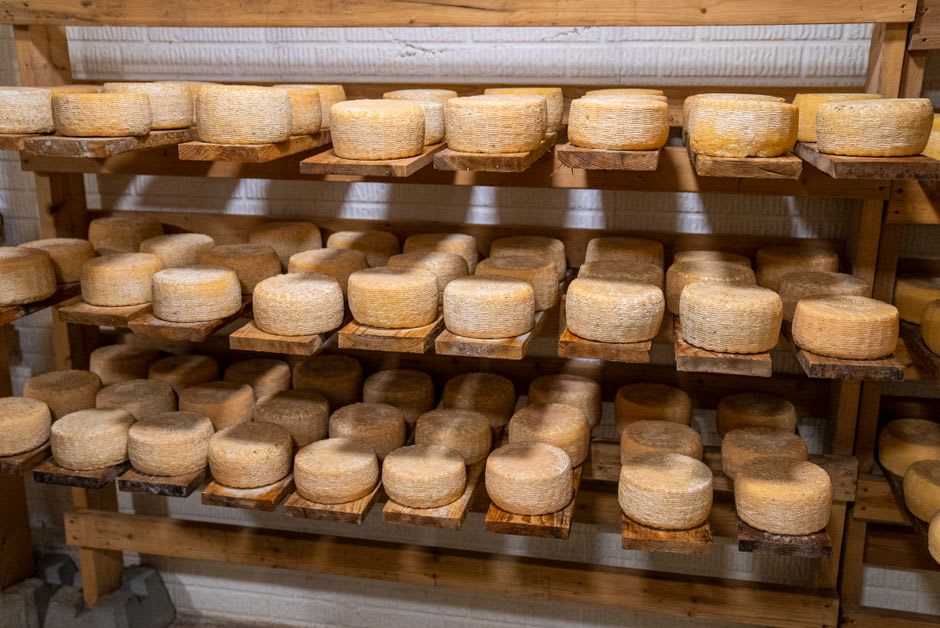
I went to the Mercado Municipal on a Tuesday morning, which is not market day and was therefore exactly right — less fuss, more cheese. The vendor who let me taste the first wheel was a woman named Adriana, and she watched my face the way a teacher watches a student who has just understood something. The cheese was aggressively salty, dry enough to crumble at a touch, with a sharpness that lingered at the back of the throat. I bought a quarter-kilo wrapped in paper and ate half of it standing at the stall.
What you learn quickly in Cotija is that the cheese is not a product so much as an argument about terroir. The wheels are made from raw milk, aged anywhere from three months to a year, and the flavour shifts depending on which rancho produced it and what the cows had been eating through the dry season. A family called Villanueva had sold at this market for three generations; their version was drier and more aggressive than the wheel on the next table. Both were correct, the vendor explained, without a trace of irony.
The Plaza and the Parroquia
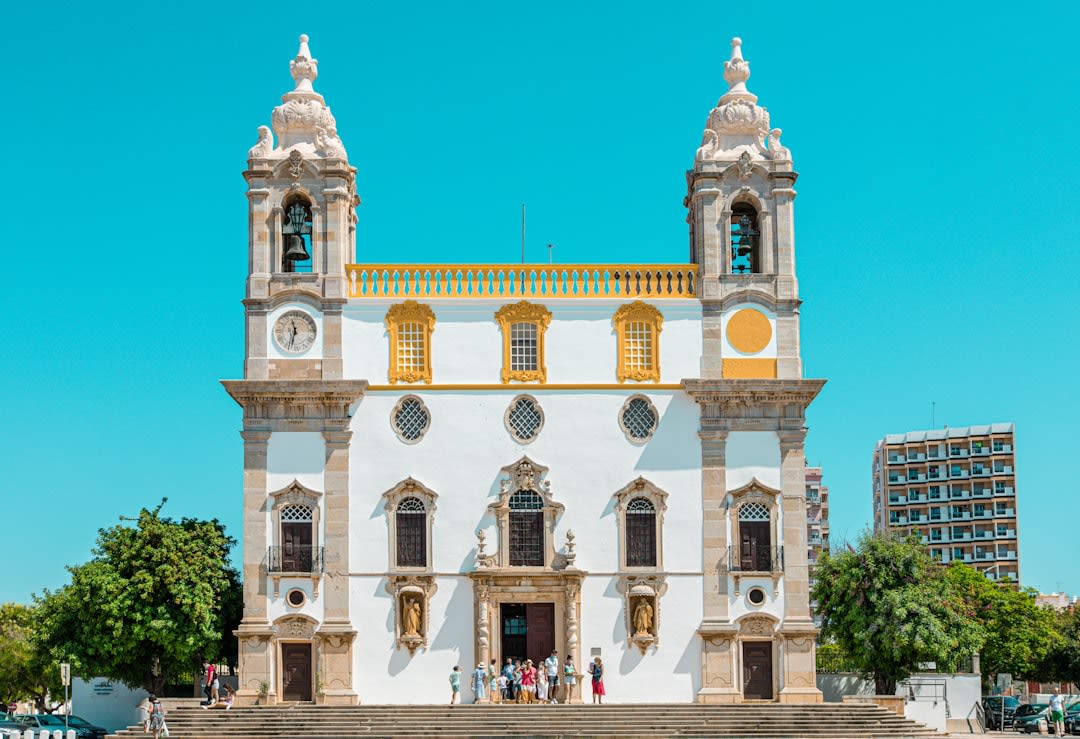
The Parroquia de San José sits at the head of the main plaza like it stopped trying to impress anyone about a hundred years ago. Baroque facade, the usual saints worn smooth by weather, late afternoon light doing what it always does in these mountain towns — going gold in a way that makes everything look painted rather than built. I sat on one of the iron benches with what remained of my cheese and watched children cycling circuits around the fountain while their grandparents held conversations at full volume across the square.
The plaza in Cotija is small by Mexican standards, which is to say it is exactly the right size. There is a pharmacy, a papelería, a place selling aguas frescas in flavours written on a chalkboard in handwriting that suggests they have not changed in years. On the corner opposite the church, a taquería was already setting up at five in the afternoon — the comal heating slowly, a man arranging plastic chairs with the unhurried confidence of someone who knows he will sell out regardless.
The Ranchos Above Town
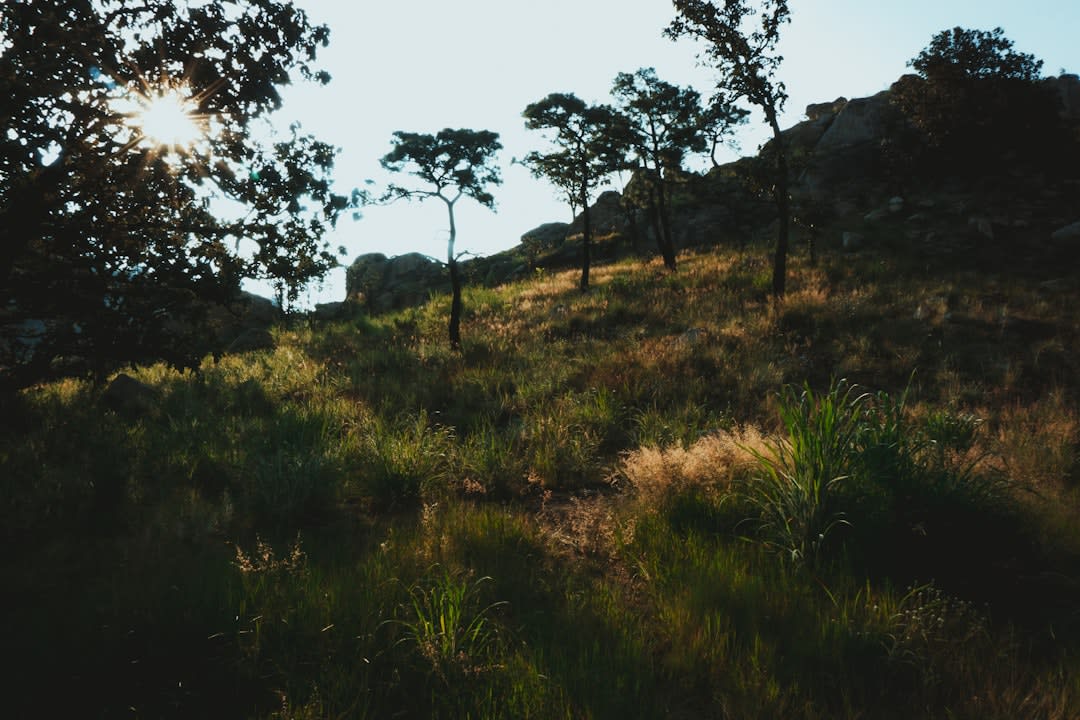
If you have a car and an afternoon free, take the road that climbs north out of the centre toward the ranching country. The landscape opens into low hills of dry grass and nopal, and every few kilometres there is a gate with a handpainted sign advertising queso artesanal. Most families advertise no further than that — you either know to stop or you do not. I pulled over at one called Rancho El Nogal, where a teenager showed me the aging room, a cool stone shed smelling strongly of salt and something animal and very old. The wheels sat on wooden shelves in rows, turned once a day. Four centuries of the same method. He explained this without drama, the way you explain a fact about weather.
Getting There
Cotija sits roughly two hours from Zamora by car — take Federal Highway 35 south then follow signs through Sahuayo. There is no direct long-distance bus, but combis run regularly from Sahuayo’s central bus terminal throughout the day and drop you near the plaza. The town is compact enough to cover entirely on foot; arriving on a weekday means a quieter market and no competition for the good cheese.