Coalcomán de Vázquez Pallares
"Some places earn their remoteness honestly — Coalcomán is one of them, and the drive through the sierra to reach it is already half the point."
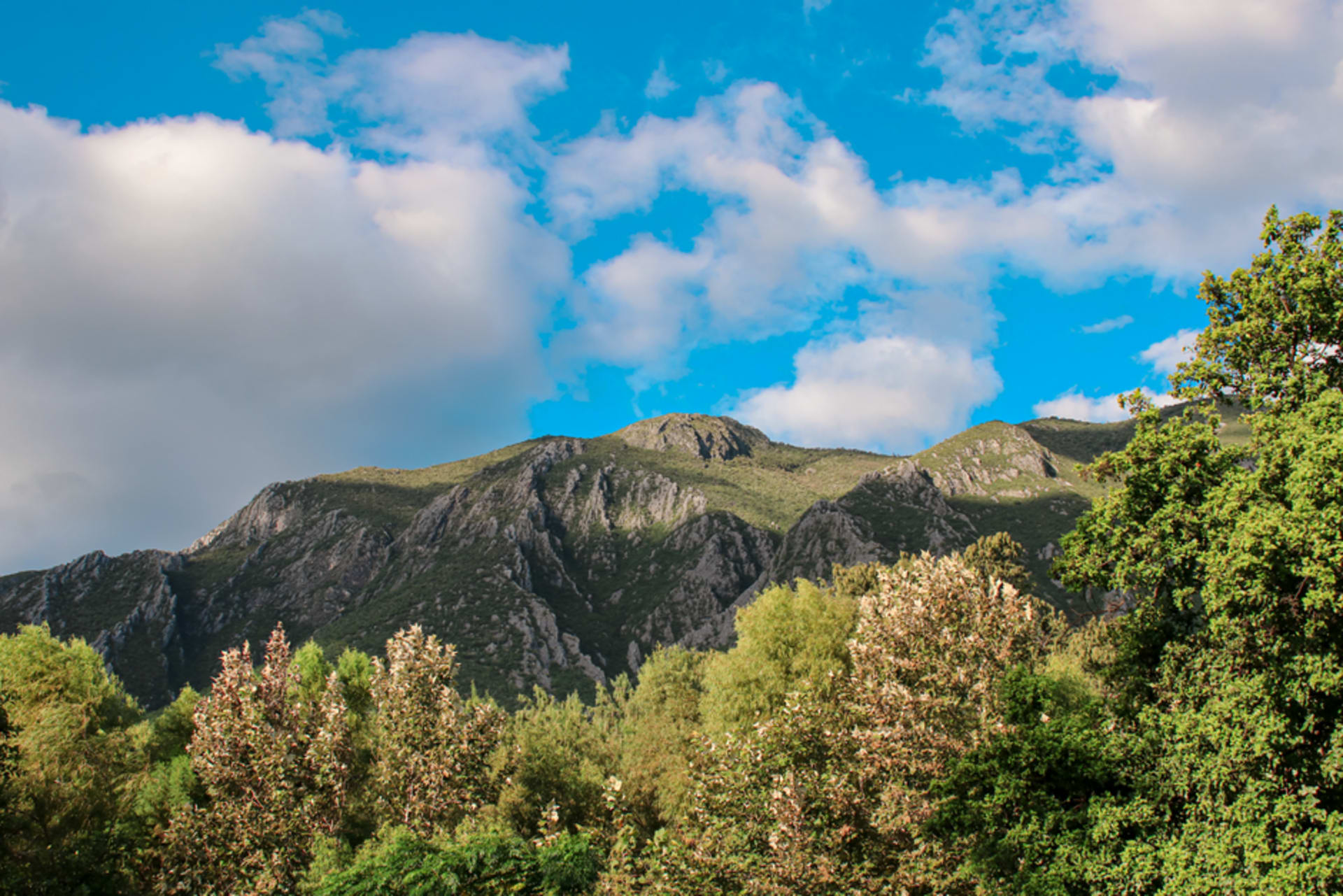
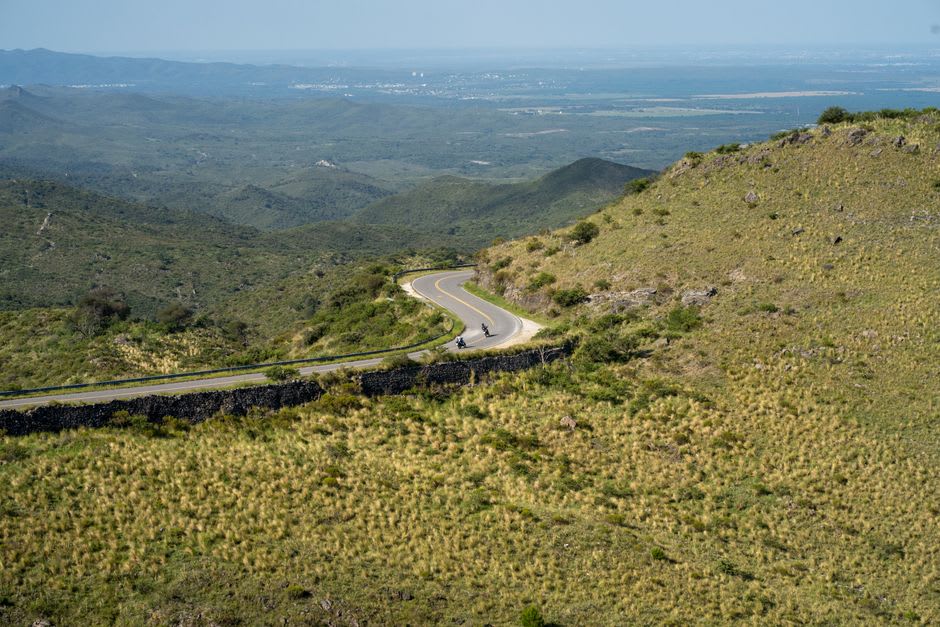
The road from Aguililla had been doing things to my car for the better part of two hours when Coalcomán finally appeared below a ridge — terracotta rooftops in a fold of the sierra, smoke rising from somewhere I couldn’t see. I had heard the road described as “challenging” by someone who clearly wanted to be polite about it. It earns its reputation. But the town itself, once you reach it, has the specific calm of a place that has never particularly needed your attention and is not especially worried about whether it gets it.
The Sierra at Eye Level
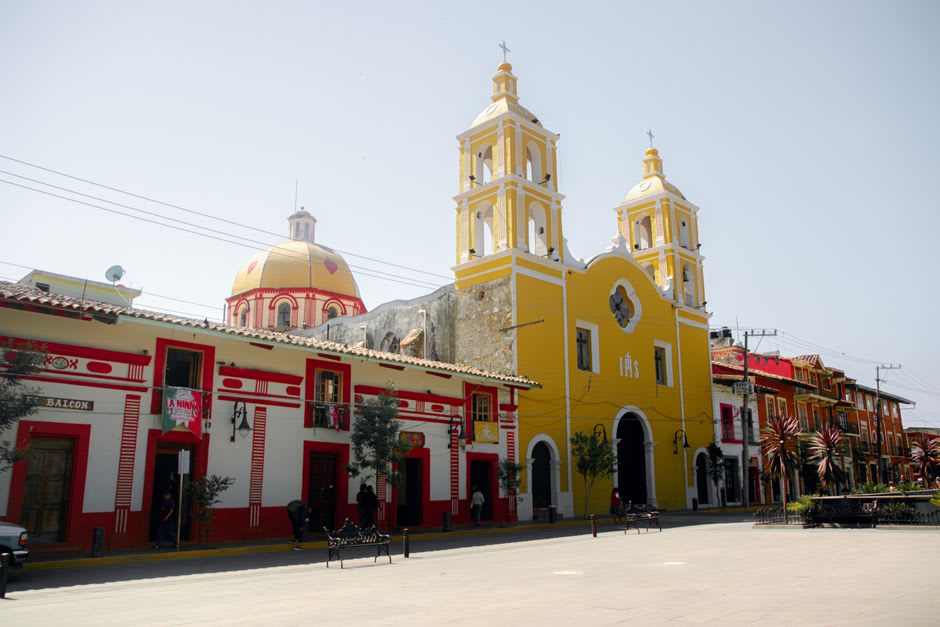
What the maps fail to convey about Coalcomán is how completely the Sierra Madre del Sur encloses it. This is not a town with mountains in the background. The mountains are the backdrop, the framing, and the ceiling, depending on where you stand and what time of afternoon clouds are building. The main plaza — Jardín Vázquez Pallares — sits at around 900 meters, and from the benches there you can watch weather forming over the ridgelines to the south while the afternoon stays clear overhead. The parish church of San Juan Bautista dates from the colonial period and has the slightly battered dignity of a building that has outlasted most of what surrounded it. Inside it smells of candle wax and old plaster. I sat there for a while because the light through the side windows was doing something remarkable and nobody was in any hurry to move.
The Market and What It Sells
The Tuesday and Friday tianguis spreads across the blocks north of the plaza before the town fully wakes up, and it operates on a logic I found genuinely difficult to read at first. Alongside the usual produce — chiles secos, hierba santa by the bundle, limes by the kilo — there were stalls selling hand-braided leather goods, cattle medicines, saddle hardware, and a dry cheese produced in the municipio that goes by the name queso de hebra without the Oaxacan fanfare the same style earns further south. I bought two rounds of it from a woman who told me without any particular emphasis that she had been making it since she was eleven. I ate most of one standing at a makeshift counter that was serving carnitas with chicharrón in salsa verde on blue tortillas thicker than anything I have encountered in Oaxaca. The stall had no name and no sign. It opened at six and was finished by nine.
Where to Stay and Eat After the Market Closes
There are a handful of small hotels on or near the plaza. I stayed at one above a hardware store where the owner’s son brought coffee to the room without being asked — it came in a clay mug that was too hot to hold correctly, which I took as a good sign. In the evenings the restaurant options narrow considerably, but a comedor on Calle Independencia serves a caldo de res that is one of the better versions I have eaten in Michoacán — slow, dark, with enough epazote to smell before you see the bowl. The town winds down early. By nine o’clock the plaza is quiet except for a few teenagers on the benches and whatever dogs have claimed the corner by the pharmacy. This is not a complaint.
Getting There
Coalcomán is roughly 200 kilometers southeast of Manzanillo and about the same distance from Morelia — but neither of those figures tells you how long it actually takes. From Aguililla, the sierra road runs about 70 kilometers and demands your full attention for most of it. There is no direct bus from major cities; colectivos operate from Aguililla and occasionally from Tepalcatepec. A high-clearance vehicle is not strictly required but is strongly advisable on the mountain stretch.