Camécuaro
"Camécuaro is what you describe to people and they think you are exaggerating — crystal water, ancient trees, and absolute quiet."
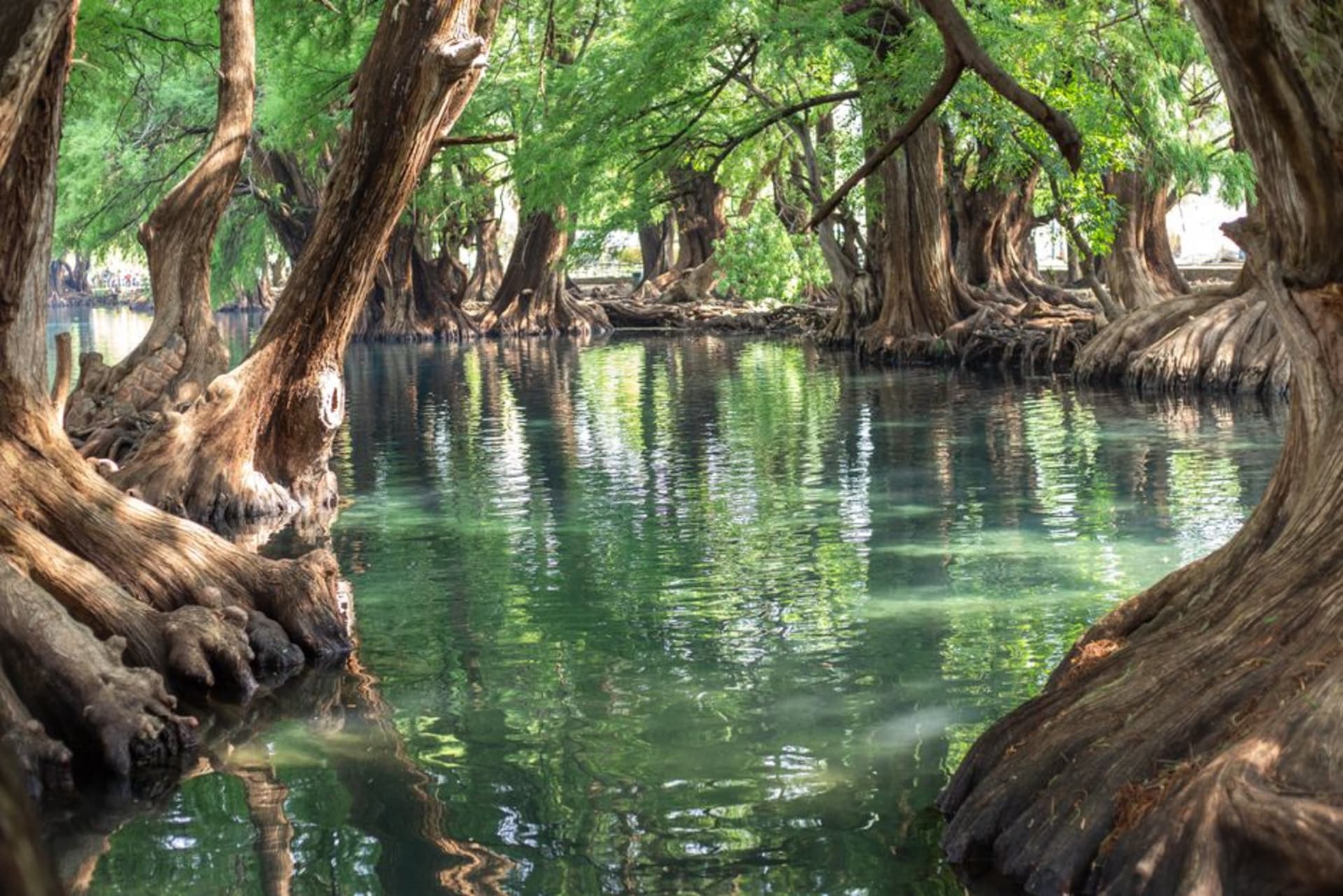
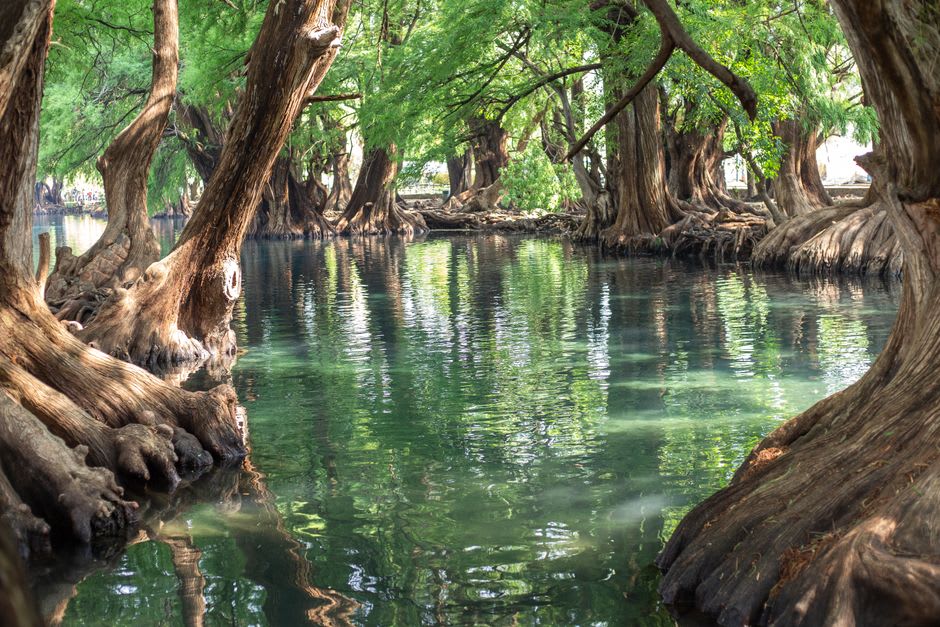
I had not planned to swim. I arrived from Zamora on a Tuesday morning in March with the vague intention of walking around for an hour and moving on toward Morelia. Then I stepped through the entrance of the national park and saw the lagoon — that particular shade of green that exists only where water comes from underground — and the ahuehuete trees bending over it like a painting that is trying slightly too hard. I was in the water twenty minutes later, gasping at the cold, watching light break apart through the canopy. I did not leave until late afternoon.
The Lagoon and What the Trees Do to It
The ahuehuetes at Camécuaro are old in a way that recalibrates your sense of scale. Some are estimated at over a thousand years, their trunks wider than my arm span by a considerable margin, roots descending into the water and spreading across the bank like the work of something very slow and very deliberate. They have grown in a way that feels almost architectural: the canopy closes over the lagoon so completely that on a bright morning you feel as though the light has been filtered through several layers of intention.
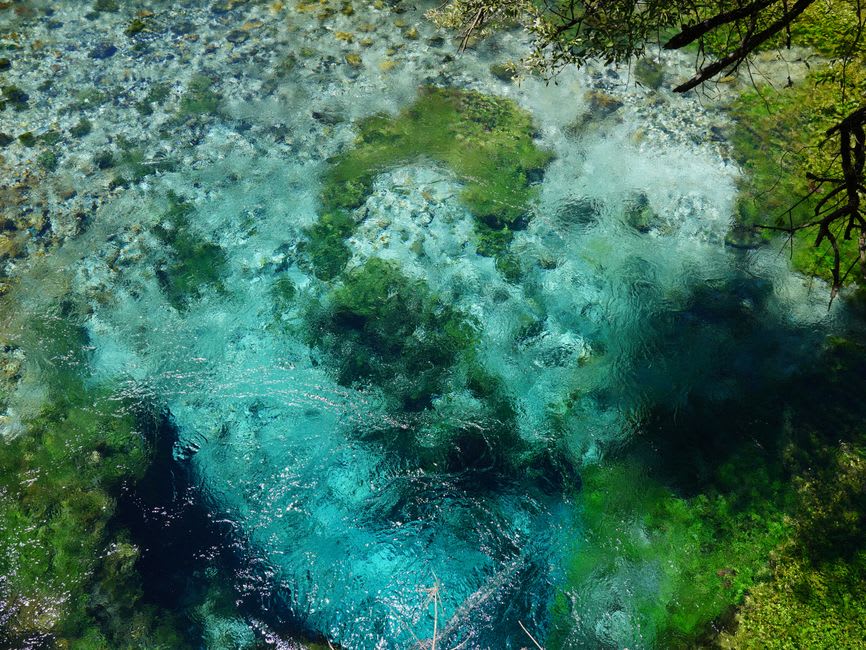
The water comes from underground springs and stays cold regardless of season. On that March day it was enough of a shock that I stood at the edge for a full minute before committing. Once in, the visibility is remarkable — you can see the bottom without effort, watch the springs disturb the silt in slow plumes, track fish navigating between root systems. The lagoon is not large. You could swim across it in a few minutes. There is no good reason to hurry.
Zamora and the Drive Back
Camécuaro sits about fifteen kilometers from Zamora, which means passing through one of the more quietly prosperous small cities in Michoacán. Zamora made its money on strawberries — the Ciénega de Chapala basin is serious agricultural land — and you see this on roadside stands between the highway and the park entrance. I stopped at a comedora near the Mercado Morelos on the way back and ordered carnitas with the automatic confidence that comes from having eaten carnitas in Michoacán before. The tortillas were thick and fresh. The chicharrón was an afterthought that turned out to be the best thing on the table.
The town of Tangancícuaro, the actual municipality where the park sits, has a main square worth thirty minutes if you arrive early enough to have time. Small, quiet, the kind of plaza where the benches look occupied by long-standing agreement.
What I Would Tell You
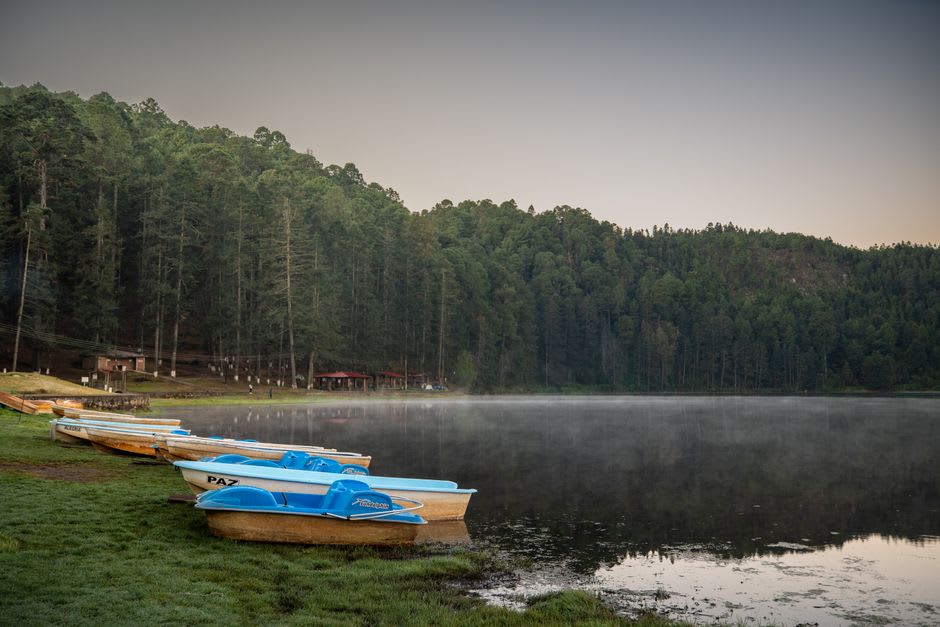
Go on a weekday if you can arrange it. On weekends Camécuaro draws families from Zamora and Guadalajara — which is fair, a beautiful park should be used — but the quiet that makes the place feel extraordinary becomes harder to locate. I had most of the bank to myself for the first two hours on that Tuesday.
Bring something to sit on. The bank is root systems and earth, comfortable enough but uneven. Bring food too — there are vendors near the entrance but nothing reliable. The entrance fee when I visited was sixty pesos, which is not a difficult decision.
Getting There
From Zamora, colectivos to Tangancícuaro leave near the central bus station for a few pesos; from Tangancícuaro the park is a short mototaxi ride. By car from Zamora, follow the road toward Tangancícuaro and watch for national park signs — the turnoff is well-marked. From Guadalajara the drive is roughly two and a half hours via the cuota highway toward Zamora.