Apatzingán
"Someone handed me an avocado picked that morning ten kilometers away. It tasted like a different fruit than what I had been eating my entire life. This was not a small discovery."
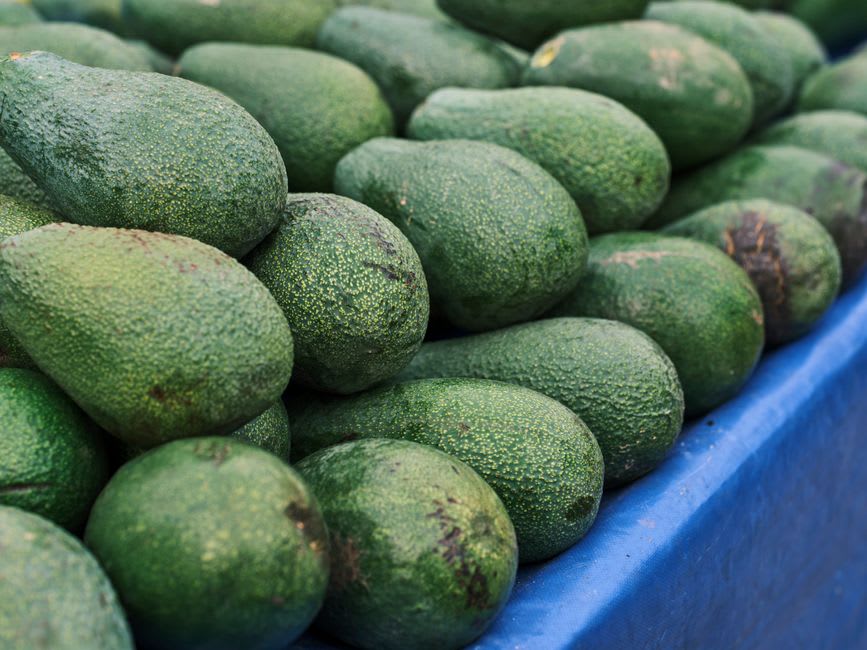
Mexico produces roughly 85% of the world’s avocados. Michoacán produces approximately 80% of Mexico’s avocados. The Apatzingán region is one of the production centers. I had known these statistics before going, but I had not processed what they mean in practice until I was standing at a roadside stall about ten kilometers from the city, and a woman handed me a Hass avocado and indicated it had been picked that morning from the orchard on the slope behind her.
I ate it with salt and a tortilla, standing by the car in 36-degree heat. The flesh was a particular quality of butter — not the firm, slightly watery flesh of an avocado that has traveled refrigerated across the Pacific and sat in a supermarket and then been left on a kitchen counter to ripen after the fact, but something softer and richer and more completely itself, the fat content present in a way that was almost aggressive. I stood there for longer than was necessary, eating an avocado, realizing I had been eating a simulation of avocados for thirty-four years.
This is not a metaphor. It is what produce tastes like when it is grown in the correct soil and climate and eaten before the logistics of global distribution have intervened.
The Tierra Caliente
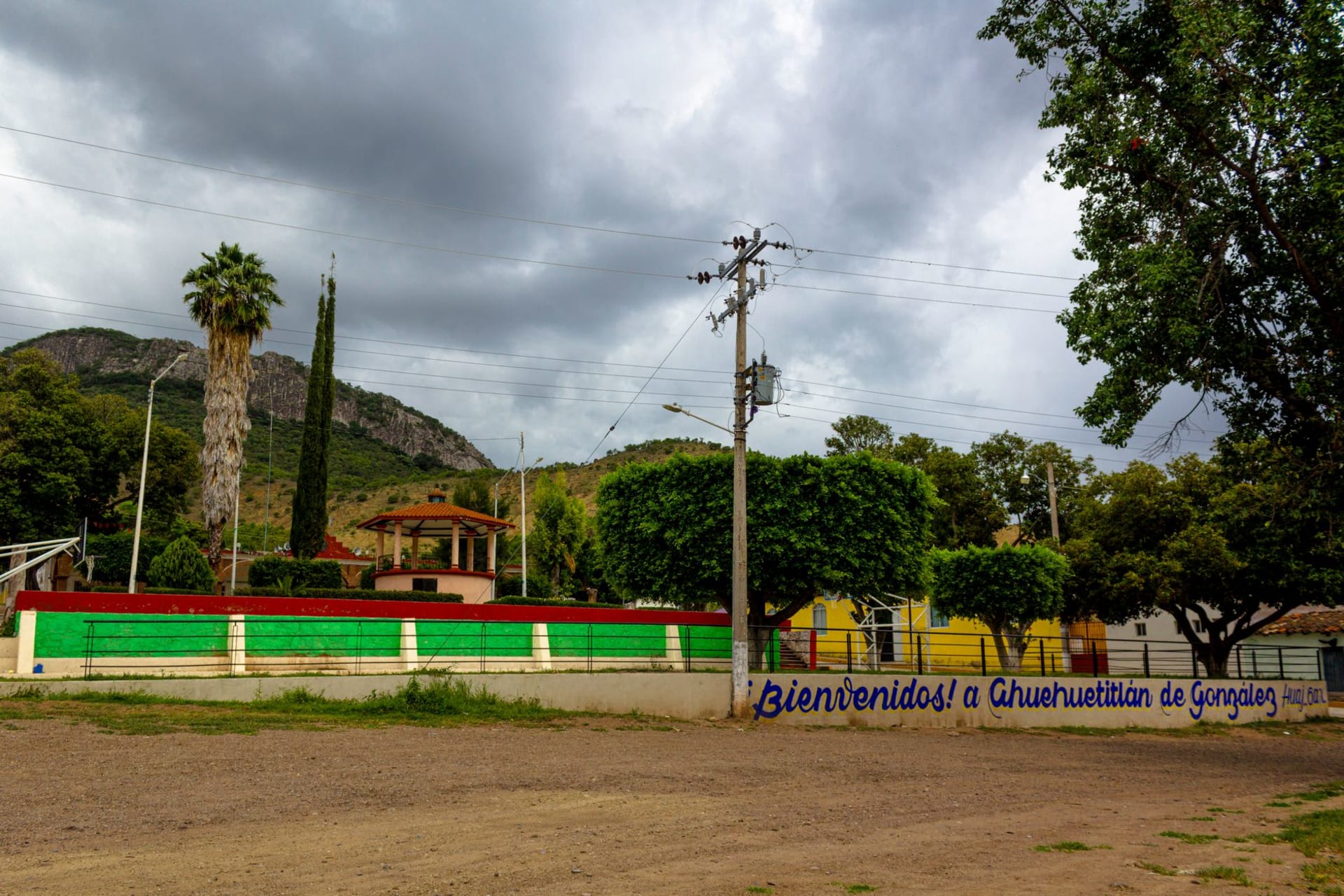
The Tierra Caliente — hot land — designates the lowland regions of Michoacán, Guerrero, and Mexico State where the elevation drops below 1,000 meters and the temperature climbs into ranges that highland Mexico regards as climatically unreasonable. Apatzingán sits at around 350 meters in the Río Tepalcatepec valley, and in summer the heat reaches 40 degrees and maintains itself with a consistency that requires either acclimation or surrender.
I went in November, the beginning of the tolerable season. It was still 34 degrees at noon and the light had the flat, bright quality of lowland heat with no relief from altitude. The city operates on a schedule adjusted for this: the midday hours are genuinely quiet in a way that highland Mexico cities are not, and the late afternoon and evening are when the streets fill. After months in Mexico City at 2,200 meters, the heat of the Tierra Caliente has the quality of going outside, of being returned to the actual temperature of the planet.
The surrounding valley floor is lemon and mango orchards alongside the avocado — the lemon production here supplies much of the Mexican market and a significant export share. The road into the city from the north passes through orchard after orchard, the irrigation channels running alongside the fields, the smell of citrus blossoms when the season is right. The hillsides above the valley floor are the avocado slopes: steeper, the trees in rows on terraces cut into the volcanic soil, the dark green canopy continuous from a distance.

The Constitution of 1814
Apatzingán’s civic identity is organized around a document. On October 22, 1814, during the Mexican War of Independence, José María Morelos convened a congress in Apatzingán that drafted and signed the Decreto Constitucional para la Libertad de la América Mexicana — Mexico’s first constitutional document. It was not implemented: the insurgency was losing ground, Morelos was captured the following year and executed, and the declaration remained aspirational until independence arrived on different terms in 1821. But it established the principles — popular sovereignty, separation of powers, personal liberty — that would inform all subsequent Mexican constitutions.
The historical site is a colonial building near the center, now a small museum that explains the context, the document’s provisions, and why this specific city was chosen. The answer to the last question amounts to an account of the military situation in 1814: remote enough from royalist forces to offer temporary security, reachable by the insurgent leaders from different directions. Revolutionary constitutional moments are usually treated as inevitable in retrospect. The museum in Apatzingán is honest about how contingent and precarious the whole enterprise was, which makes the document feel more significant rather than less.
The Food of the Tierra Caliente
Highland Michoacán cuisine has the international reputation — carnitas, corundas, uchepos, the fish from Lake Pátzcuaro. The Tierra Caliente has its own food culture that is less celebrated and more interesting to encounter without prior expectations.
The Balsas River runs through the southern Tierra Caliente, and fresh fish from the Balsas — mojarra primarily, a freshwater species that takes well to the grill — appears on the menus of the small restaurants along the valley roads. I ate mojarra a la talla at a roadside spot outside the city: the fish split and grilled over charcoal with a chile paste rubbed onto the flesh, served with corn tortillas made that morning and a fresh salsa of chiles from someone’s nearby garden. The quality was not exceptional in any way that would stop a food writer mid-sentence. It was simply correct — the right fish cooked the right way in the place where it makes sense, and it tasted like food that had not been asked to be more than it is.
The enchiladas de chile verde of the Tierra Caliente are different from the highland versions: lighter, the sauce brighter and less dark with dried chiles, the filling often chicken or pork. I ate them twice. Toward the end of my second lunch I noticed that the avocados on the table — sliced, with lime and salt, no ceremony — were from the same orchards I had been driving past for two days. I ate those too.