Arandas
"If Tequila town is where you go to say you visited a distillery, Arandas is where you go to actually understand one."
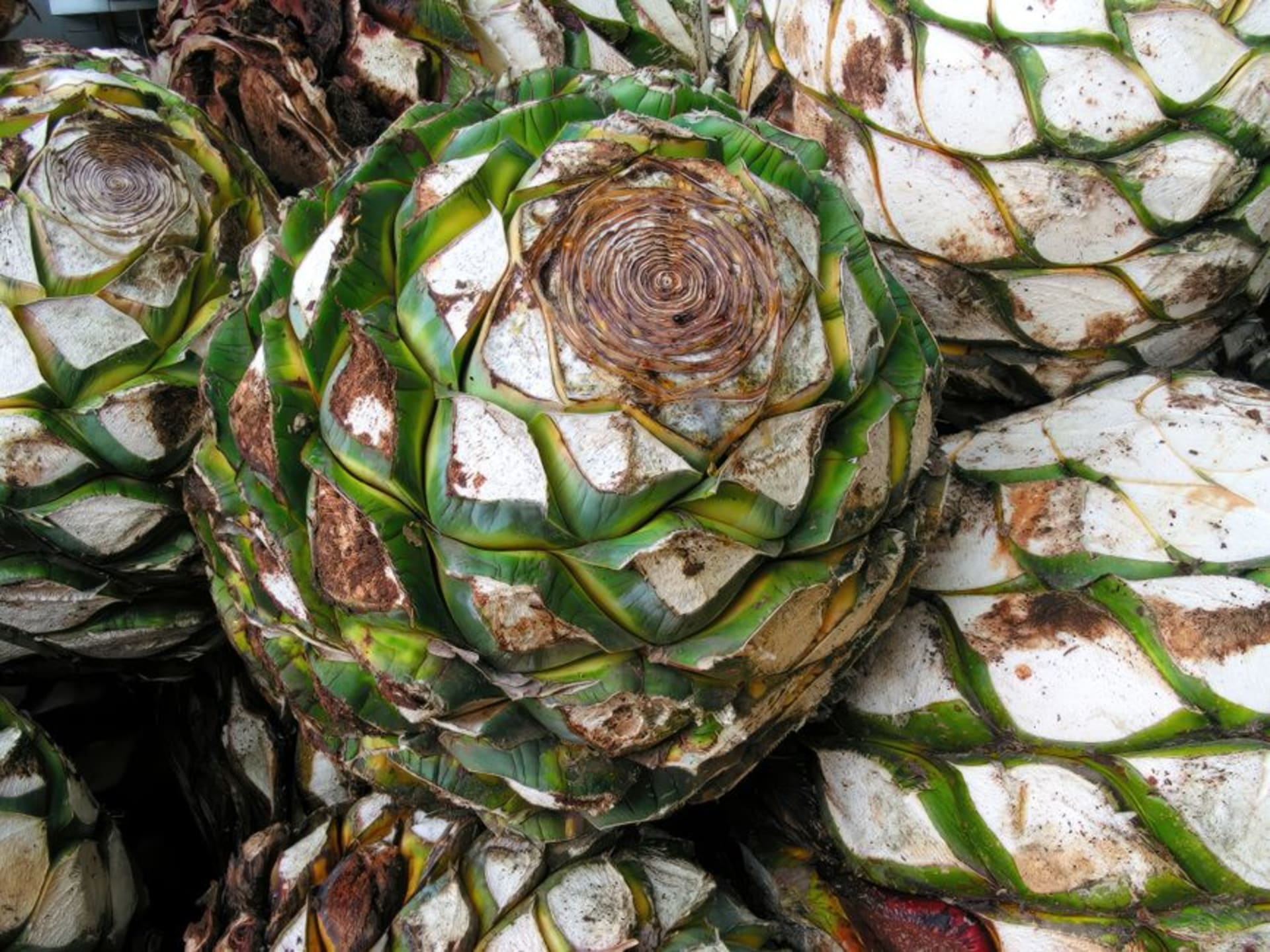
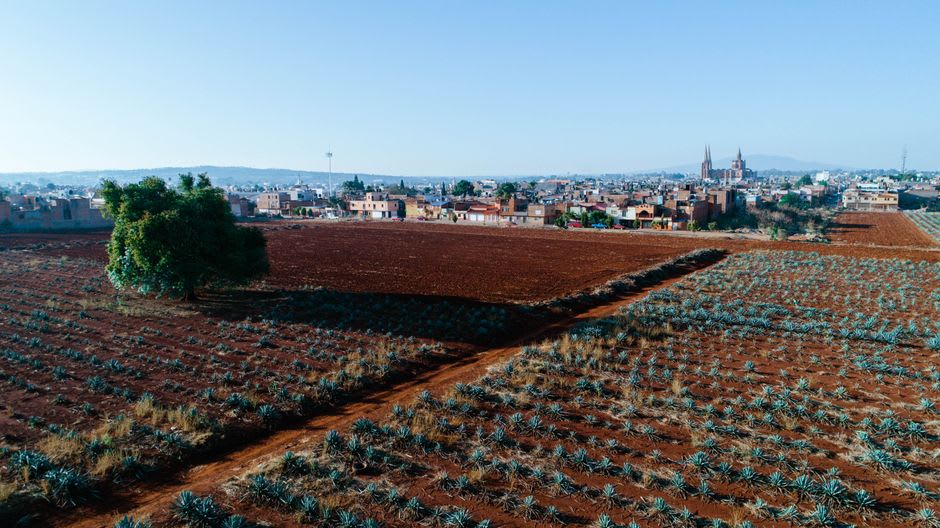
The drive up from Guadalajara changes character around the 90-minute mark. The valley floor gives way to highland plateau, the air thins slightly, and the agave rows begin — not the scraggly roadside plantings you see near the Tequila volcano, but dense, organized fields of blue-grey rosettes covering red earth as far as the sierra allows. I arrived in Arandas on a Tuesday afternoon, which turned out to be the right day: not enough visitors to change anything about the place, enough light left to walk the central jardín before dinner. The town did not acknowledge my arrival. That was a good sign.
What the Soil Is Actually Doing
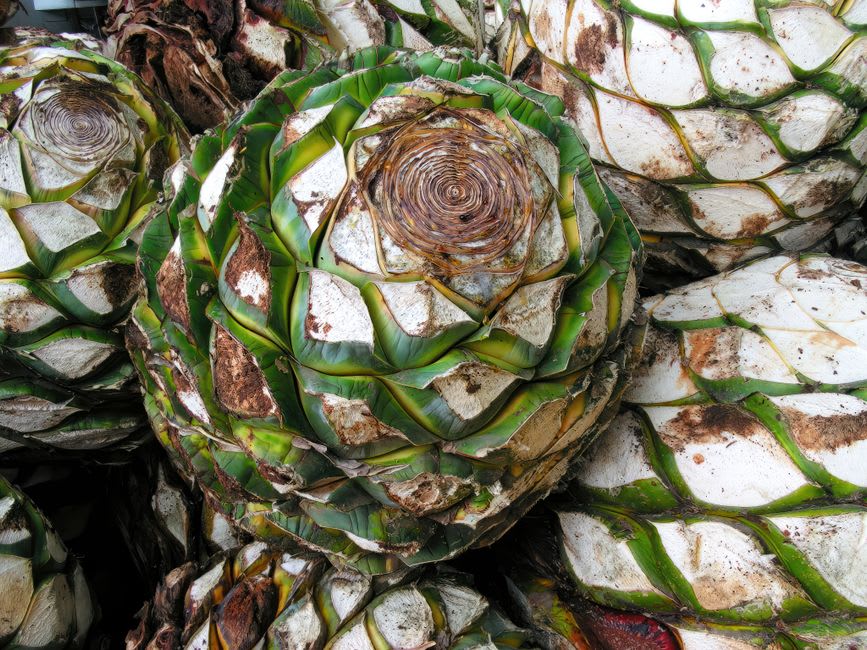
Arandas is the informal capital of the Los Altos tequila region, and that matters because Los Altos agave is a distinct thing from what grows nearer the town of Tequila itself. The altitude here — around 2,000 metres — and the mineral-dense red clay the locals call barro rojo slow the agave’s maturation, which concentrates the sugars and gives highland tequilas their characteristic sweetness and faint floral lift. Casa Centinela has been running since 1904; Cazadores, larger now and owned by Bacardi, still keeps its production in town. What surprised me was how easy it was to simply arrive at Centinela, explain that I was curious, and end up inside the fermentation room an hour later talking with a production supervisor about the difference between a 72-hour and a 96-hour ferment. No booking form, no tour package, no mandatory gift-shop exit. Just someone who knew the craft and seemed genuinely pleased to be asked. I have had more illuminating tequila conversations in this town than in every cocktail bar in Mexico City combined.
Birria, Paseo, Parroquia
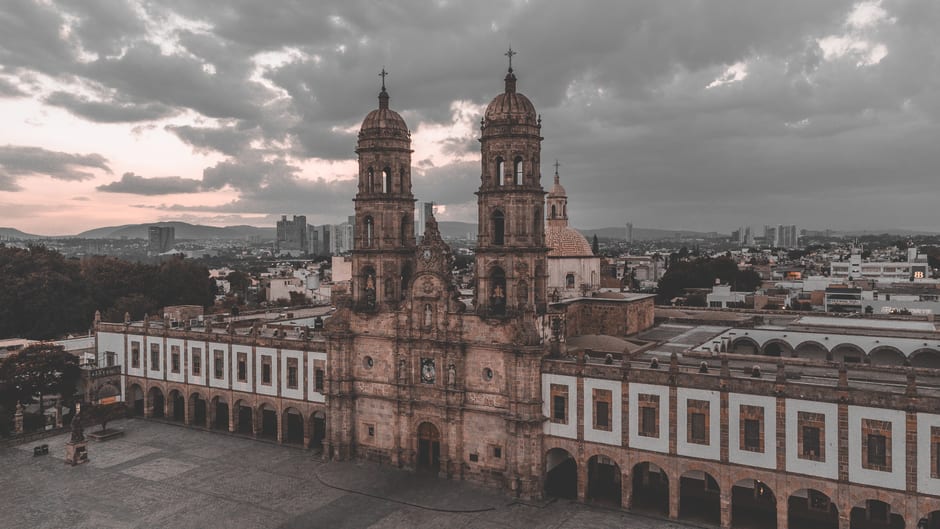
The jardín in front of the Parroquia de Santiago Apóstol follows the Los Altos template: the church enormous in proportion to the town, white and pink quarrystone, the iron benches cast in a pattern I have seen in a dozen other highland towns and still do not tire of. On weekday evenings, the actual paseo happens — grandparents moving slowly, teenagers moving in the opposite direction, vendors selling elotes and agua de jamaica from carts that have clearly occupied the same corners for years. The market on Calle Independencia runs weekday mornings and is where I found my best meal in town: a woman selling birria de borrego from a clay pot, ladled into a bowl with white onion, dried oregano, and a squeeze of limón that the broth absorbed in about four seconds. I ate standing at her folding table. She asked if I wanted another bowl and I said yes before I had finished asking myself the question.
The Right Pace for This Town
Arandas rewards a night, not an afternoon. There are a few posadas on the streets near the jardín — nothing glamorous, but clean and cheap enough that you will not feel pressed to leave by four. The distilleries worth visiting are best in the morning, when the fermentation tanks are active and, if you are lucky, a tahona is turning. Save the afternoon for the market, the evening for the plaza and a glass of something local at one of the cantinas off the main square where the label on the bottle is a name you will not recognise and the pour will be generous. October through March is when the highlands are clearest, the light on the white façades almost surgical.
Getting There
From Guadalajara, Arandas is roughly two and a half hours by road via the autopista toward León, exiting at the Arandas interchange. Shared vans run from the Central de Autobuses Antigua in Guadalajara; direct bus service from La Nueva Central exists but schedules are intermittent enough to check the day before. A rental car gives you the freedom to stop alongside the agave fields, which you should do at least once, preferably just before dusk when the rows go violet against the red earth.