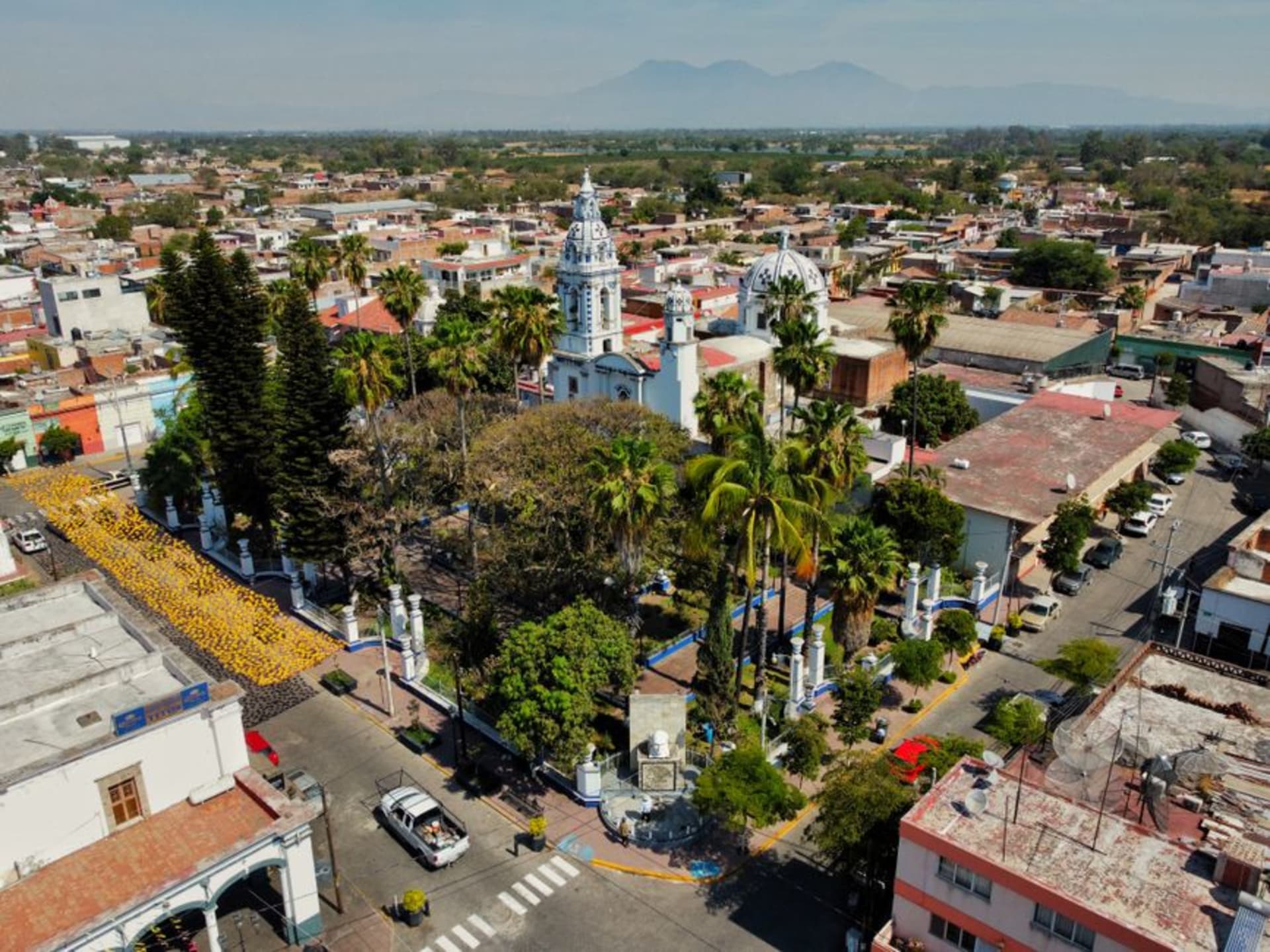
Ameca
"Ameca won me over with zero effort on its part, which is the highest compliment I know how to give a Mexican town."
I pulled into Ameca on a Thursday afternoon when the light was doing that low golden thing that makes even a Pemex station look poetic. I had no particular reason to stop — it was between Guadalajara and the coast and I needed coffee. Three hours later I was still there, sitting under the portales watching the plaza do its slow municipal business, and I had ordered a second bowl of birria I hadn’t planned on. That’s roughly how Ameca works on you: not with spectacle, but with the steady accumulation of things being exactly what they should be.
The Plaza and Its Portales
The portales running along the north edge of Ameca’s central plaza are one of those architectural features that only make sense when you’re inside them. Arched, slightly irregular, they shelter a handful of fondas and the kind of bench-sitters who have been bench-sitting since before I was born. The plaza itself is neither exceptional nor disappointing — it is correct. Concrete paths radiate out from the kiosko, the Parroquia de la Asunción holds the east side with appropriate gravity, and the shade trees are old enough that their roots have lifted the pavement at interesting angles. On weekday afternoons, Ameca does what provincial Mexican cities do best: it functions. A woman sells elotes from a cart near the corner of Independencia. A man fixes something electrical on the sidewalk with a patience I cannot explain. Nobody is performing the town for anyone.
Birria and the Mercado
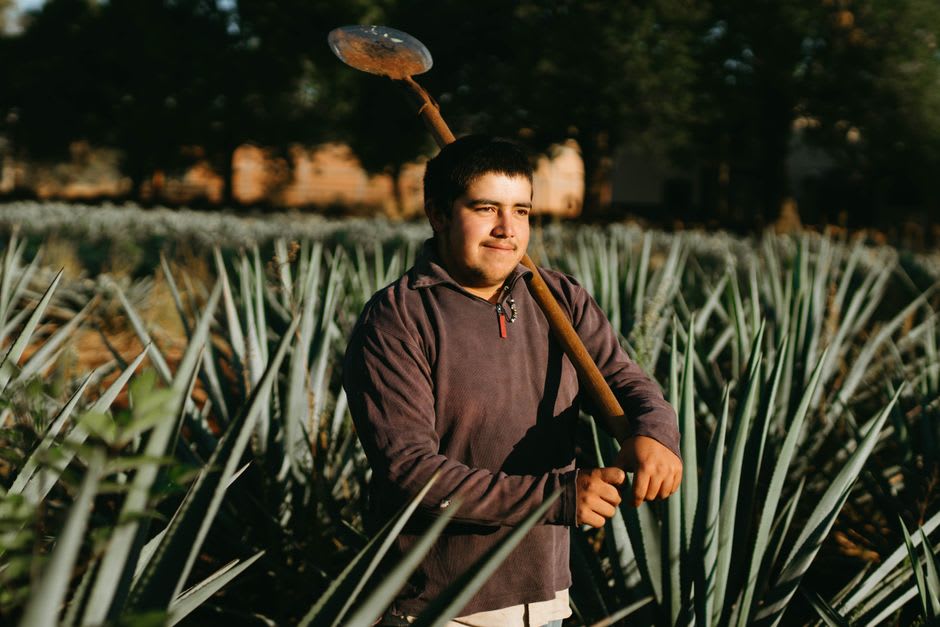
Birria is Jalisco’s contribution to the canon, and Ameca takes it seriously in the way that towns which don’t need to impress anyone tend to take their local food seriously. I found mine at a place with no signage on a side street off Calle Hidalgo — a woman ladling broth from an enormous clay pot, the smell reaching me half a block before the door. The bowl came with chopped white onion, dried oregano, a lime, and tortillas made on the comal directly behind the counter. I used four. The Mercado Municipal on Calle Guerrero runs the honest assortment of produce, meat, and household supplies you’d expect, alongside two or three birrieras doing steady business by nine in the morning. I bought a bag of dried chiles I didn’t need and a bag of piloncillo I did, and considered the transaction successful.
The Valley Beyond Town
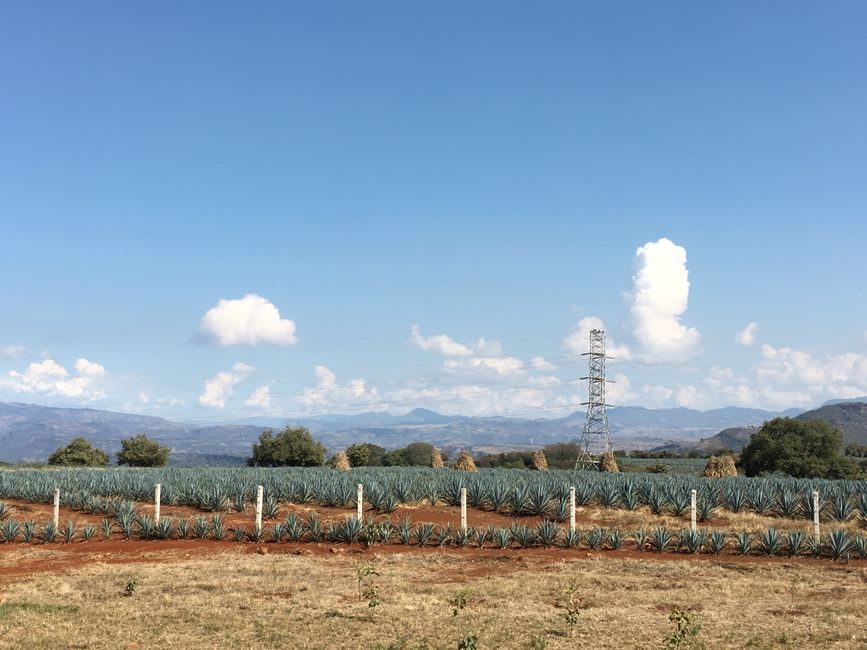
Drive ten minutes in any direction and the valley opens up in a way that is quietly startling. This is not dramatic Sierra Madre scenery — it is agricultural flatland with a particular quality: agave and sugarcane grow alongside each other in the same region, sometimes apparently the same field, which tells you something about how wide Jalisco’s range really is. The Río Ameca runs through without ceremony, flanked by low riparian scrub. Standing out there in the late afternoon, watching an egret do absolutely nothing at the river’s edge, I understood why the town has no interest in becoming something other than what it is. It already has the valley.
Getting There
Buses leave Guadalajara’s Central Camionera (Sala A, Autovías and similar lines) regularly for Ameca — the ride takes roughly 90 minutes and costs almost nothing. By car, take Federal Highway 80 west from Guadalajara toward the coast; Ameca appears before the road starts climbing into the sierra. There is no tourist infrastructure to speak of, which is the entire point.