
Tlanchinol
"It rained the whole time I was in Tlanchinol, and I mean that as praise. This is a town that lives inside a cloud."
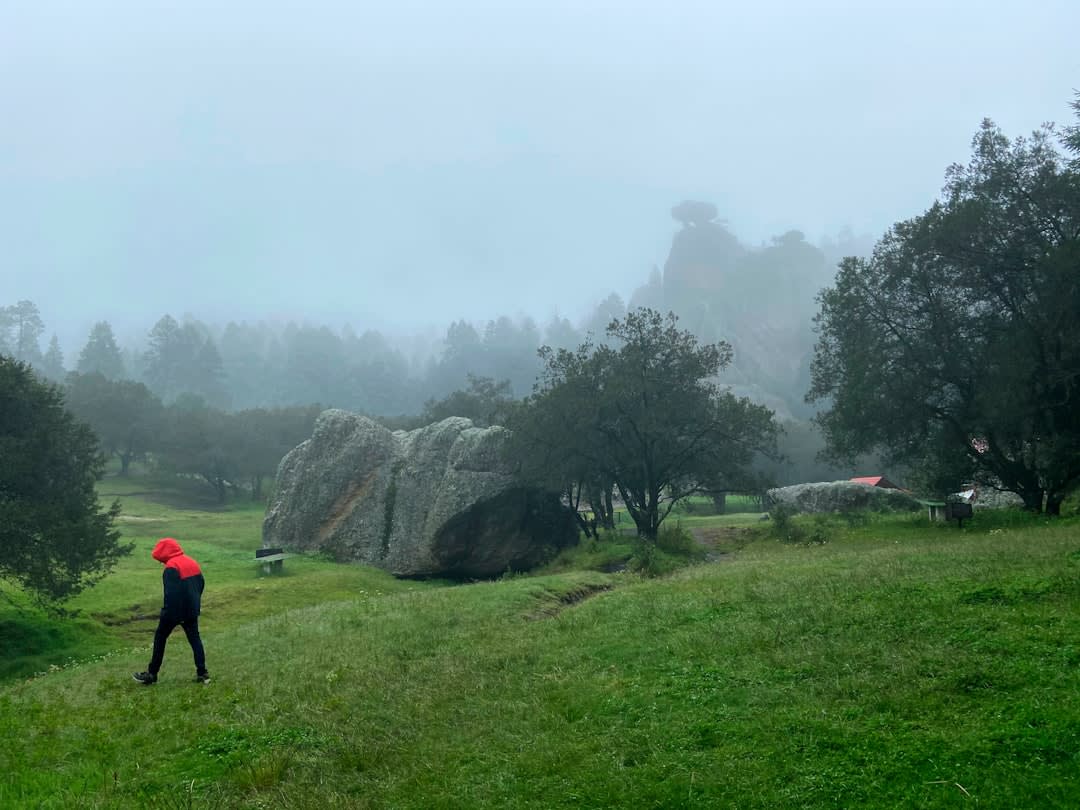
The first thing I understood about Tlanchinol is that you don’t visit the mist here — you live inside it. I arrived on a grey afternoon expecting the fog to lift, the way fog lifts most places by mid-morning. It never did. It thinned and thickened and drifted, it beaded on my jacket and dripped from the eaves, but it never fully let go of the mountains. By the second day I’d stopped waiting for it to. I started to love it instead — the way it softens every sound, the way the forest seems to breathe.
Tlanchinol sits on the edge of the Huasteca Hidalguense, high enough to be almost permanently wrapped in cloud forest. It is, by many accounts, one of the greenest and most biodiverse patches of the whole state — a place where the humidity is a physical presence and the vegetation grows with a kind of joyful excess. If you like your travel damp, green, and alive, there are few places in Mexico I’d send you sooner.
Living Inside a Cloud
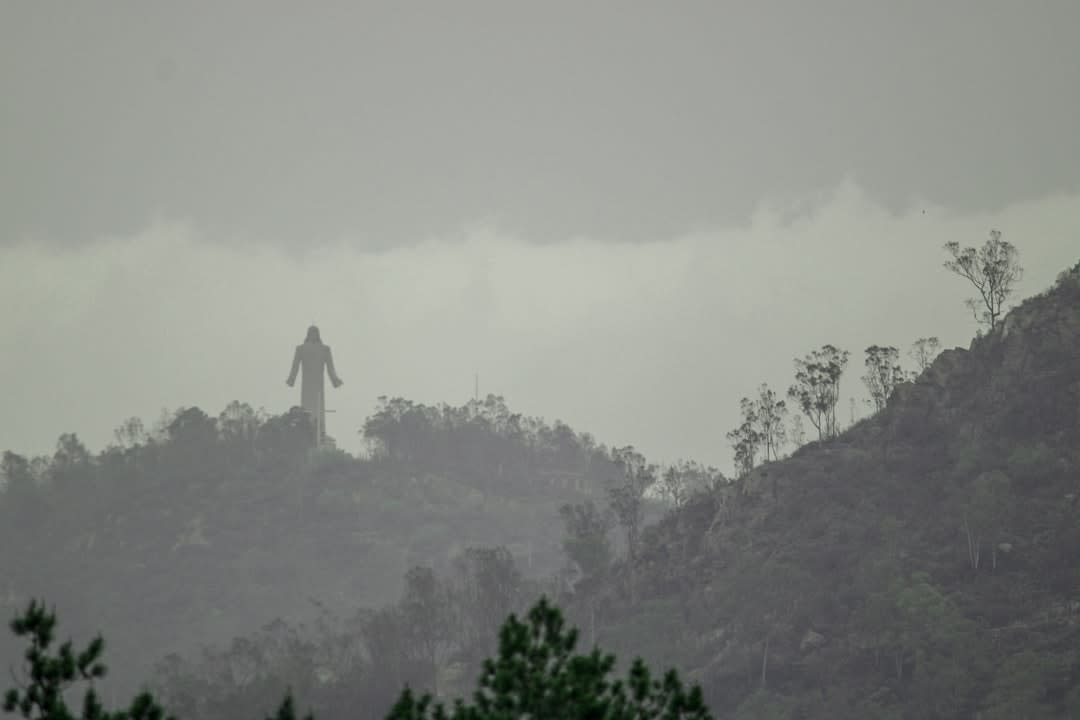
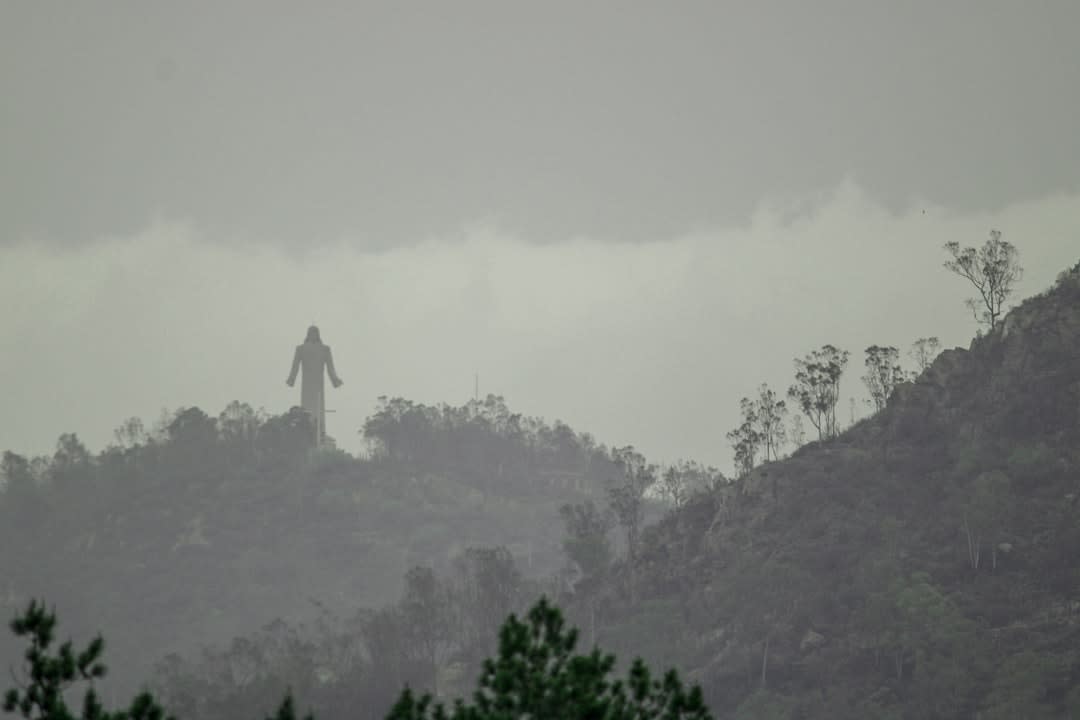
The cloud forest here is the real event. Step to the edge of town and the mountains fall away in impossible steep folds, every surface furred with moss and fern and bromeliad, the whole scene half-dissolved in drifting white. When the mist parts for a moment you get a glimpse of ridgeline stacked behind ridgeline, and then it closes again and you’re back inside the cloud.
I walked out along the road one morning just after dawn, when the light was still grey and soft, and the forest was so wet it seemed to be melting. Water ran everywhere — down the cut banks, off the leaves, along the road in bright rivulets. I’ve been in a lot of green places in Mexico. I’m not sure I’ve been in a wetter, more relentlessly alive one than this.
A Town for the Birds
Tlanchinol is quietly famous among birdwatchers, and once you’ve spent a dawn here you understand why. The cloud forest is a genuine biodiversity hotspot, and the dawn chorus that rolls up out of the ravines is extraordinary — layered, echoing, unbroken. I am not a serious birder. I don’t carry the big lens or keep the list. But I’ve stood on the edge of that forest at first light with a coffee going cold in my hand, just listening, and felt like I was eavesdropping on something enormous.
The people who come here properly equipped speak of it in almost reverent terms — the mix of highland and tropical species that overlap at exactly this elevation, on exactly this humid edge of the Huasteca. Even for a dilettante like me, the sheer volume of life packed into these dripping slopes is humbling. You don’t have to know a single species by name to feel it.
Down Toward the Coffee
The magic of Tlanchinol is partly a magic of gradient. Stay in town and you’re in cool cloud forest; drop down the mountain toward the lower Huasteca and the air warms, the humidity turns tropical, and the slopes give way to coffee. This is coffee country lower down, shade-grown under the forest canopy, and following the road as it descends is like watching the climate zones change through the windshield.
I like to make an afternoon of the descent — down through the ferns into the warmer green, where the coffee grows and the villages feel a world away from the misty town above. A cup of local coffee at the bottom of that drive, sweet and strong, tastes of the whole mountain it came from. Then you climb back up into the cloud, and the temperature falls degree by degree, and by the time you reach Tlanchinol you need your jacket again. Few short drives in Mexico pack in this much change.
Getting There
Tlanchinol lies on the highway that runs north from Pachuca into the Huasteca Hidalguense, roughly three to three and a half hours from the state capital and about five from Mexico City. Buses heading toward Huejutla and the Huasteca pass through regularly; if you’re driving, the road is paved but genuinely mountainous and often wet, so take the curves slowly and expect fog. Bring rain gear and something warm — the mist keeps the town cool and damp for most of the year, and the “dry” season is a relative term up here. Come for the birds, for the green, or simply to spend a couple of days living inside a cloud. Just don’t come expecting the sky to clear. That’s not what Tlanchinol is for.