Tepeapulco
"Standing in that monastery, I kept thinking: this is where Sahagún listened. This is where a Franciscan sat down with the Nahua elders and wrote it all down."
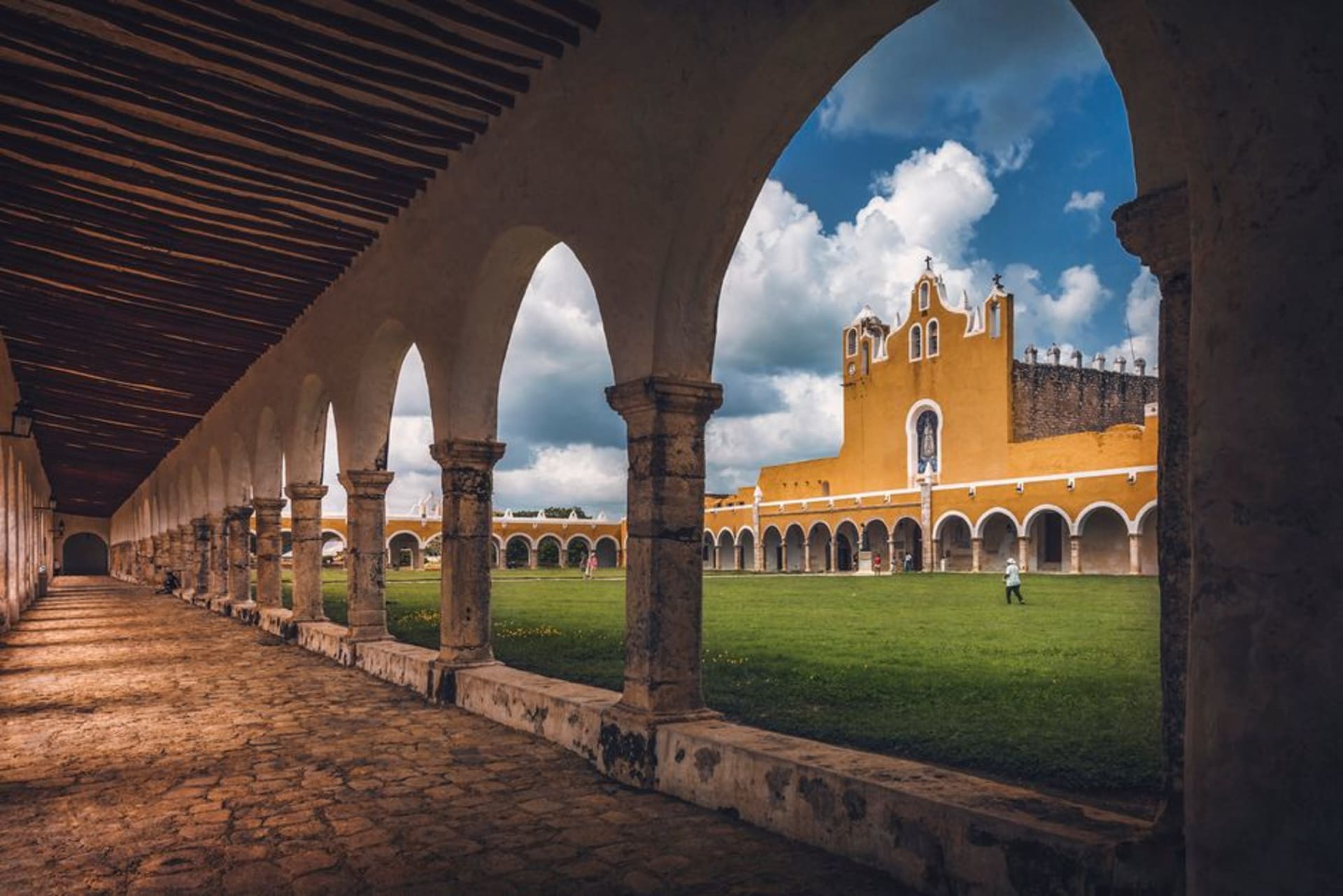
I’m not usually one to get sentimental about old stone, but Tepeapulco caught me off guard. I’d come mostly out of curiosity — I’d been reading Sahagún, the friar who compiled the great encyclopedia of the Aztec world, and I’d learned that he worked here, in this unassuming town out on the cold plains of southern Hidalgo. So I drove out to see it. And standing in the courtyard of that enormous sixteenth-century monastery, in the thin clear high-plains light, I felt the weight of it: this is where one of the foundational documents of Mexican history began to take shape. This quiet town. This stone.
Tepeapulco sits on the high agave plains of southern Hidalgo, not far from the industrial town of Ciudad Sahagún that borrowed the friar’s name. The air up here is cold and clear, the light is hard and bright, and the history runs deeper than almost anywhere I’ve been in the state. It doesn’t announce itself. You have to come looking. But what’s here rewards the looking.
The Monastery of San Francisco
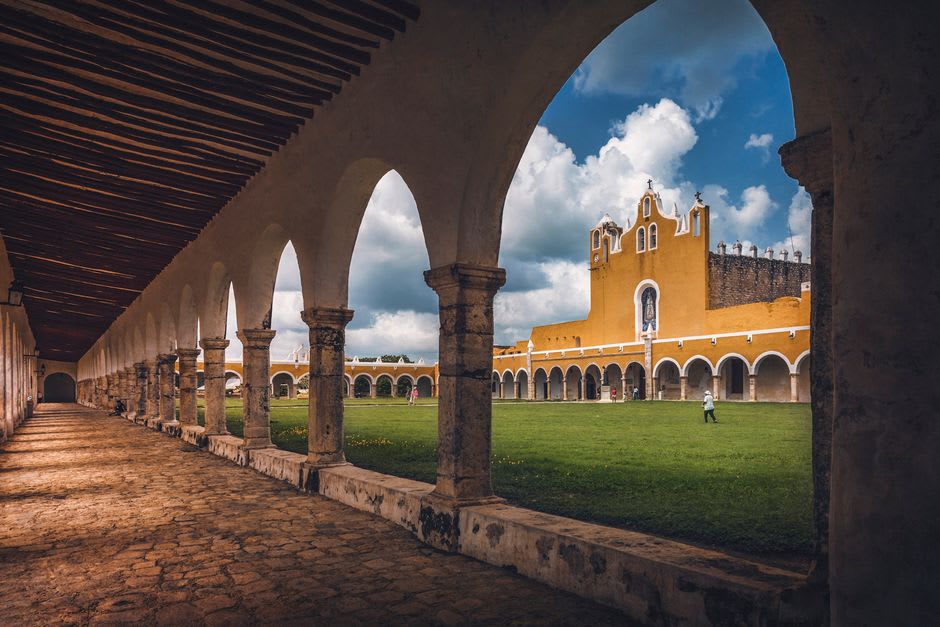
The great Franciscan monastery of San Francisco dominates Tepeapulco the way these sixteenth-century foundations were built to dominate — a massive complex of stone with a fortress-like church, a cloister, and one of those extraordinary open chapels the early friars used to preach to enormous outdoor congregations of the newly converted. It’s one of the earliest and most important monastic sites in this part of Mexico, and it has a gravity to it that photographs never quite catch.
I wandered the cloister for a long time, running my hand along the cold stone, looking at the faded traces of old murals. The scale is what gets you — the sheer ambition of it, planted out here on the windy plains in the first decades after the conquest. It was built to remake a world, and standing in it you feel both the force and the melancholy of that project all at once.
Where Sahagún Worked
What makes Tepeapulco extraordinary, for me, is Sahagún. Fray Bernardino de Sahagún — the Franciscan friar who sat with Nahua elders and informants and compiled the monumental Historia general de las cosas de Nueva España, the single richest record we have of the pre-conquest Aztec world — did foundational work right here. It was in this town that he gathered testimony, that the great project of documenting a civilization began to take real form.
I stood in that monastery and tried to picture it: the friar and the indigenous elders, the questions and the answers, the painstaking recording of gods and calendars and daily life that would otherwise have been lost. Whatever you think of the friars and their mission — and it’s complicated, all of it — the fact remains that much of what we know about the Mexica world survives because of work that started in places like this. To stand where it happened, in the actual cold rooms, is something I won’t forget.
The Plaza and the Plains
Below the monastery, the town keeps its old bones. Stone arcades — the portales — run along the plaza, and beneath them the ordinary life of a high-plains town goes on: people sitting in the cold sun, a few vendors, the unhurried pace of a place well off the tourist road. It feels, in the best way, frozen. Not preserved for show, just quietly continuing.
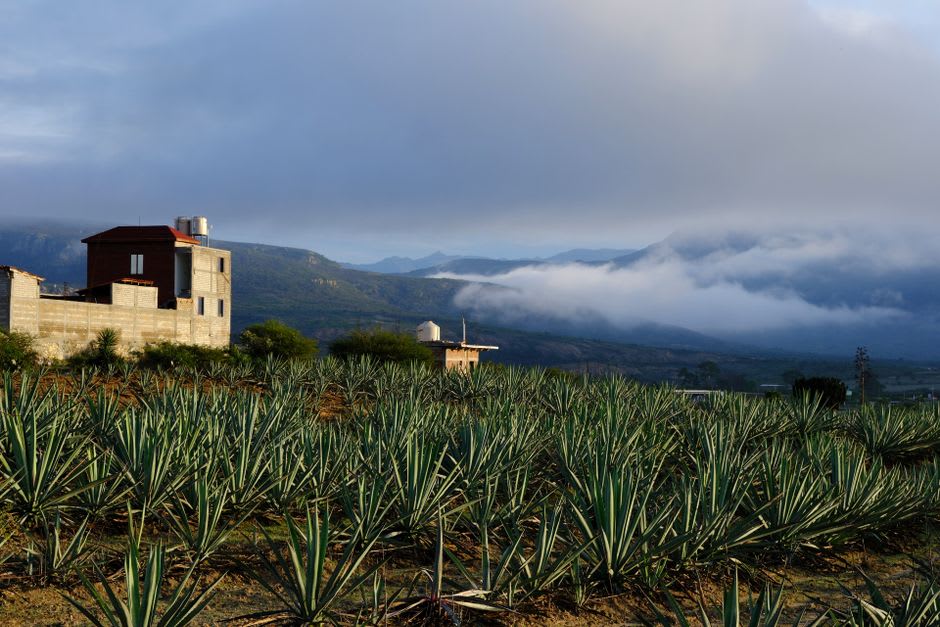
And then there are the plains themselves. Step to the edge of town and the agave fields run out toward the horizon, blue-grey rows under that huge cold sky, the same landscape that has fed and shaped this region for centuries. I like to end a visit here by just standing at that edge in the thin bright air, the monastery behind me and the agave ahead, letting the whole long arc of the place settle in. Cold, clear, and heavy with history — that’s Tepeapulco, and I find I keep wanting to go back.
Getting There
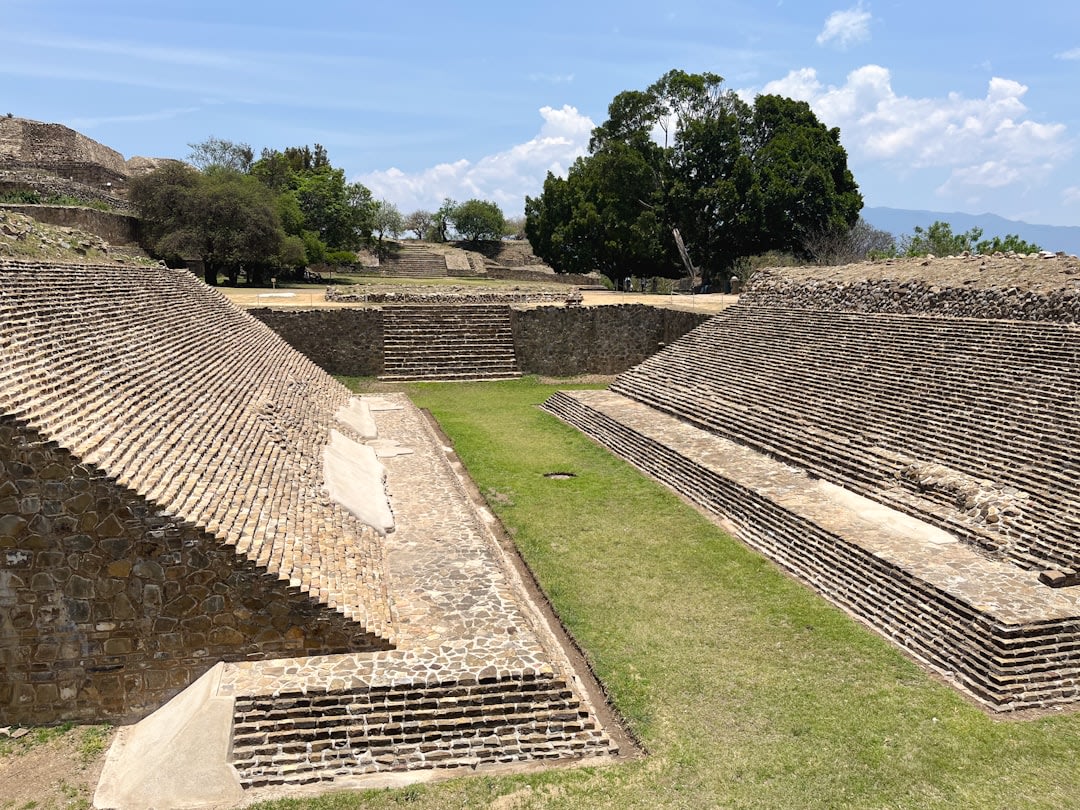
Tepeapulco lies in southern Hidalgo near Ciudad Sahagún, roughly an hour and a half from Mexico City by toll road and about an hour from Pachuca. Buses toward Ciudad Sahagún and the surrounding towns run regularly and can drop you close; driving gives you the freedom to linger and to wander out toward the agave plains. Dress warmly — the high plains are cold and the wind has nothing to stop it — and come with a little patience for a town that reveals itself slowly. Give the monastery real time; read a little about Sahagún before you go if you can, because knowing what happened here transforms a handsome old ruin into one of the quietly great places in central Mexico.