Apan
"I watched a tlachiquero work a maguey at six in the morning outside Apan, the same gesture repeated on this plateau every day for five centuries, and I thought: nobody talks about this place nearly enough."
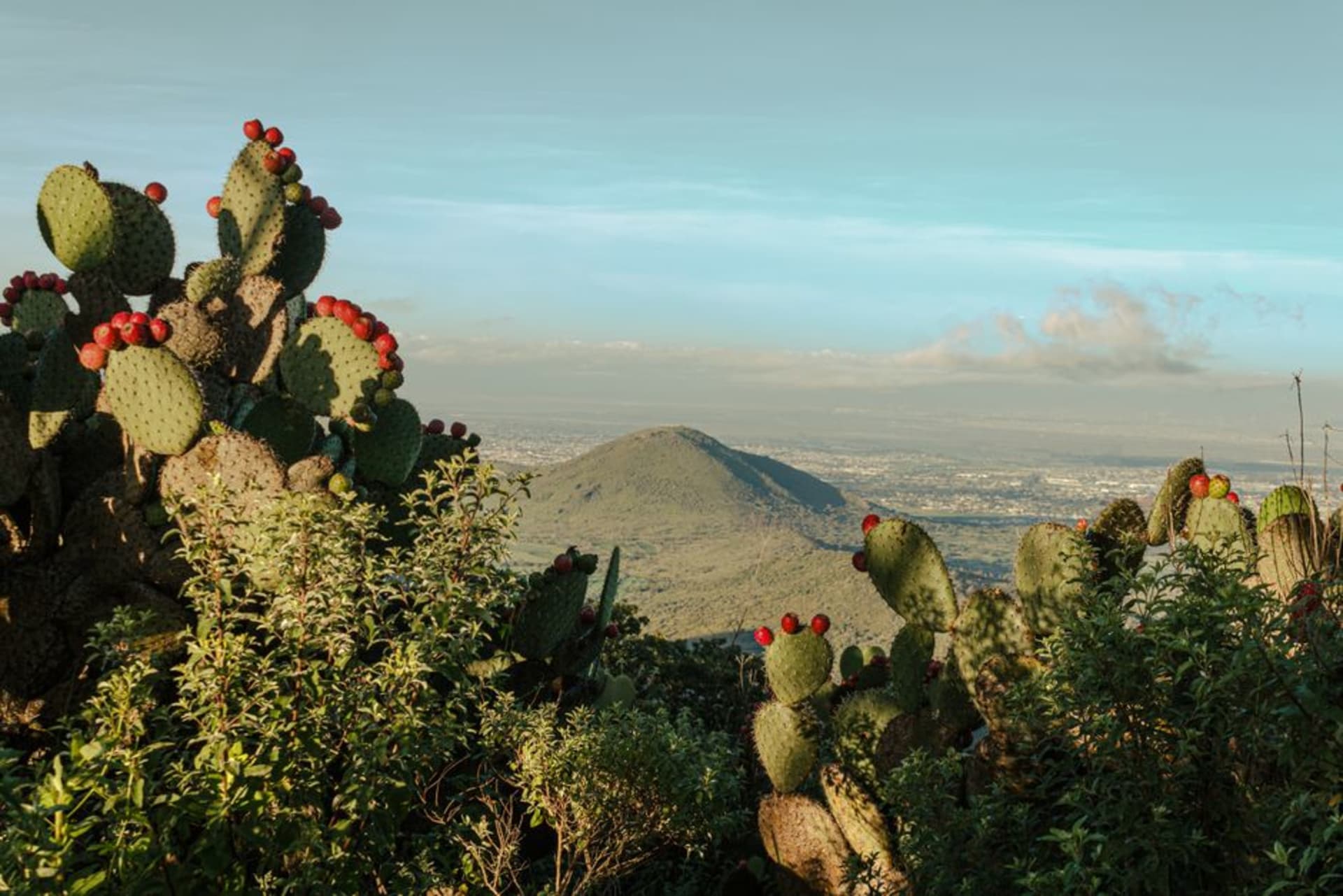
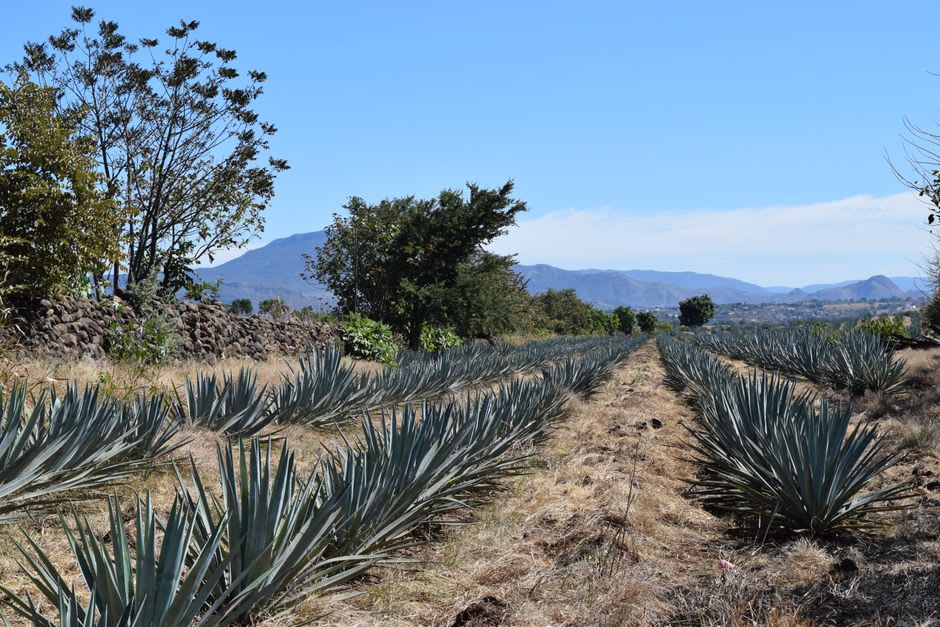
I had been on the ADO from Mexico City for about ninety minutes when the landscape changed in a way I wasn’t expecting — the hills flattened into a high grey-green plateau, and suddenly every hillside was covered in maguey. Not decoratively. Functionally, exhaustively, as if the land had decided this was the only appropriate crop and refused further argument. I got off in Apan because a battered Hidalgo pamphlet had called it the center of Mexico’s historic pulque culture, and I wanted to see what that looked like when nobody was packaging it for tourists.
The Harvest That Never Stopped
The tlachiquero I watched at work was out on the Carretera a San Juan Tepa before six, working with an acocote — a long dried gourd used to siphon aguamiel from the heart of the maguey by lung suction alone. The aguamiel collects in the plant’s central cavity, the cajete, after the piña is removed and the agave is left to spend the rest of its life producing this pale, faintly sweet sap. His father did it. His grandfather did it. He does it twice a day, for the same plants, for years, until each maguey exhausts itself and dies — which takes six months to a year — and then the cycle begins again with a new plant. He showed me his tinacal, the fermentation shed behind his property, where clay and plastic vessels held pulque at various stages. The fresh batch was thin and mineral. The curado he’d mixed with guayaba tasted like something between a yogurt drink and a very young cider. I drank two cups before nine in the morning and felt the altitude in a new way.
The Haciendas the Maguey Is Reclaiming
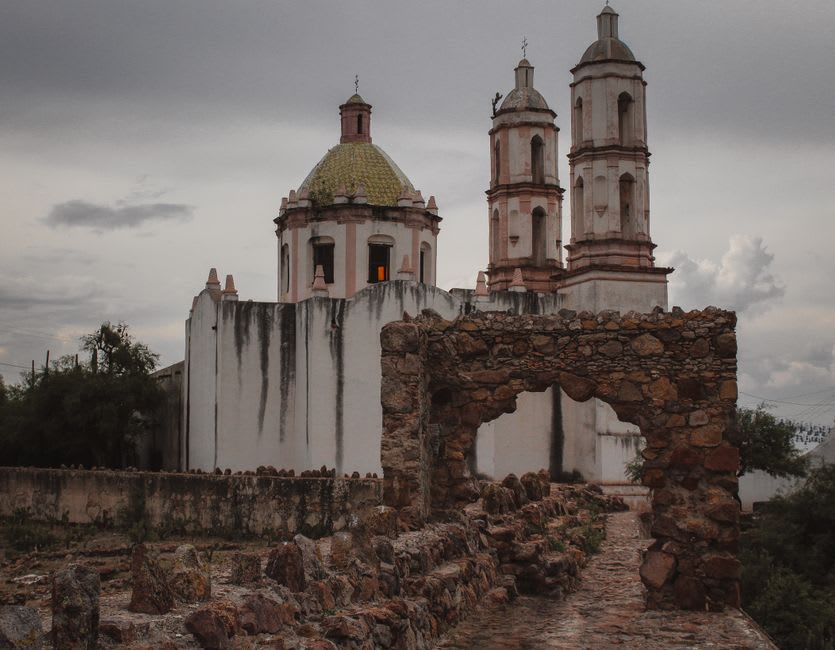
The Llanos de Apan once held the densest concentration of haciendas magueyeras in Mexico, estates that supplied the capital’s pulquerías through the entire 19th century until beer industrialization and the Revolution dismantled the economy in about two decades. What remains is extraordinary in a quiet, uncurated way. Along the road toward Calpulalpan, one of the old hacienda complexes sits roofless and deeply overgrown, its stone arches colonized by wild maguey that has grown through the flagstone floor and is now pressing against the remaining walls. Nobody charges admission. There is no interpretive signage. A dog followed me in from the road and seemed as curious about the place as I was. The old tinacal is the best-preserved room — the vaulted brick ceiling still partly intact, the fermentation vats long since emptied. I spent two hours there. It is the most honest ruin I have found in Hidalgo.
Eating at the Market
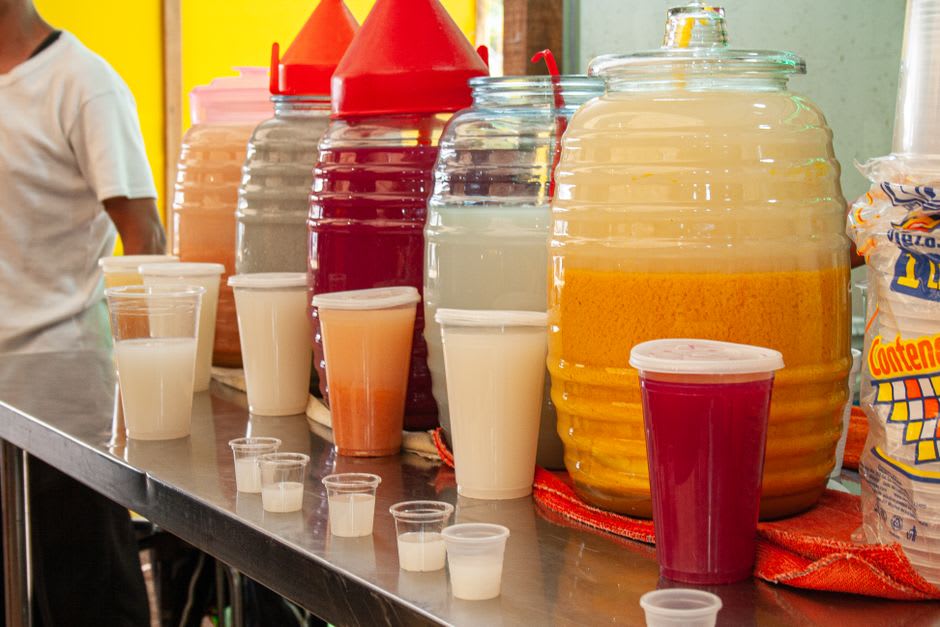
The Mercado Municipal on Calle Juárez sells barbacoa on weekend mornings — the Hidalgo version, lamb wrapped in maguey leaves and pit-cooked overnight. I ate it with a consommé so dark it looked like coffee and a stack of tortillas from the comedor on the corner. Fresh pulque is available from several vendors inside; ask for it that way, not bottled. The curado de tuna, sweetened with prickly pear, is worth a cup even if you’re skeptical. The no-name comedor near the old train station serves mixiote on Sundays — lamb steamed in maguey parchment with chiles and epazote — and the woman running it had never heard of the word tourist in any operational sense, which is something I have come to treat as a reliable quality indicator.
Getting There
Apan is roughly two hours from Mexico City’s TAPO terminal by ADO or Estrella Roja, and about an hour from Pachuca. Buses drop you in the center. A car is unnecessary unless you want to reach the outlying haciendas — a taxi from the market will negotiate a half-day rate without much trouble. The dry season, October through March, is when the plateau is at its most austere and most itself.