Isla La Roqueta
"Acapulco's best beach is the one that requires a boat and draws a tenth of the crowd."
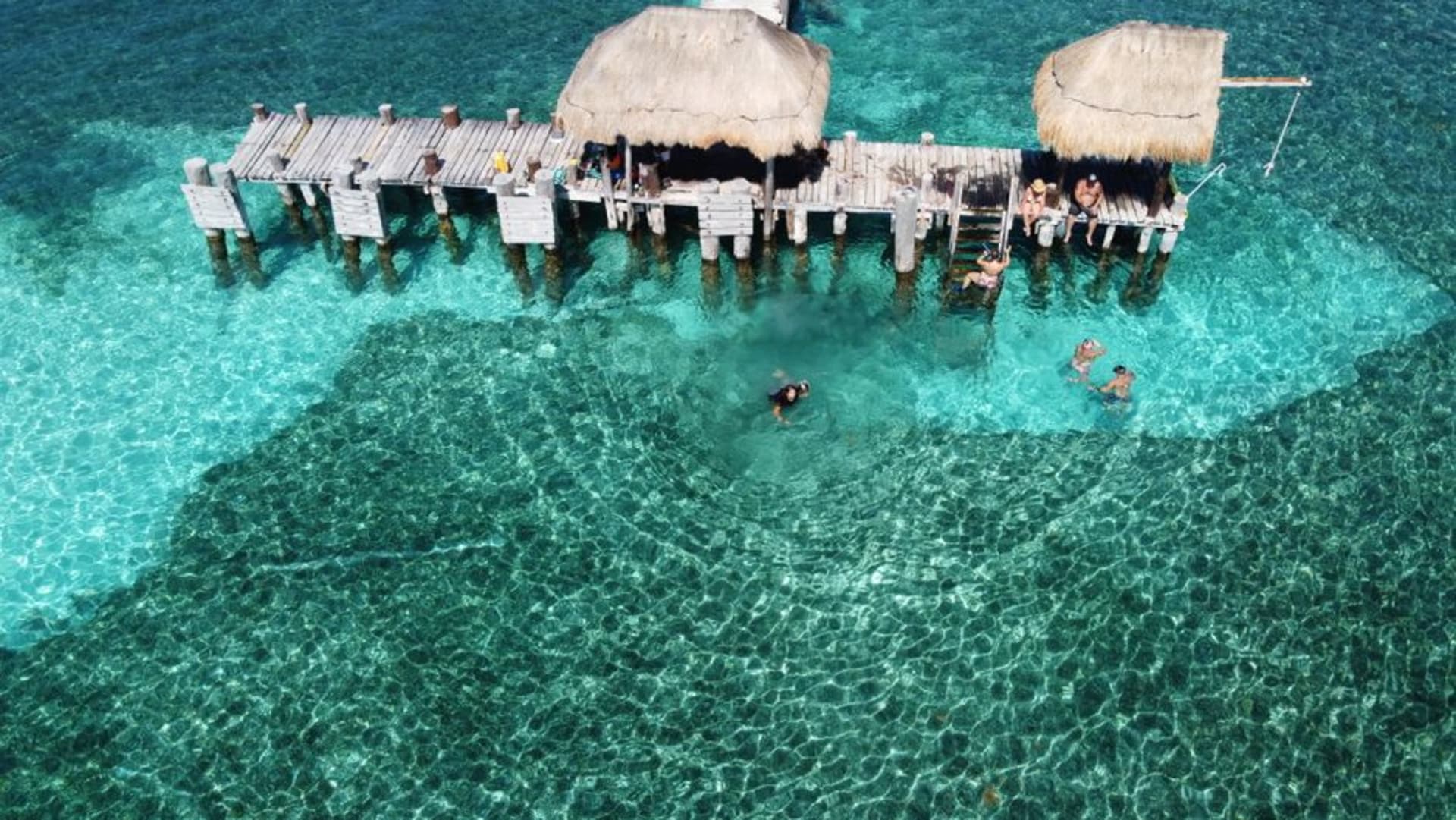
The ferry ticket from Playa Caleta costs forty pesos. I mention this because when I bought mine I checked twice — certain I had misread the sign — and the man in the booth looked at me with the particular patience reserved for tourists who expect things to be expensive. Twelve minutes later, La Roqueta was pulling into view through the morning haze, and the entire Acapulco waterfront had retreated to something you could simply ignore for the rest of the day.
The Submerged Virgin and the Clear Water
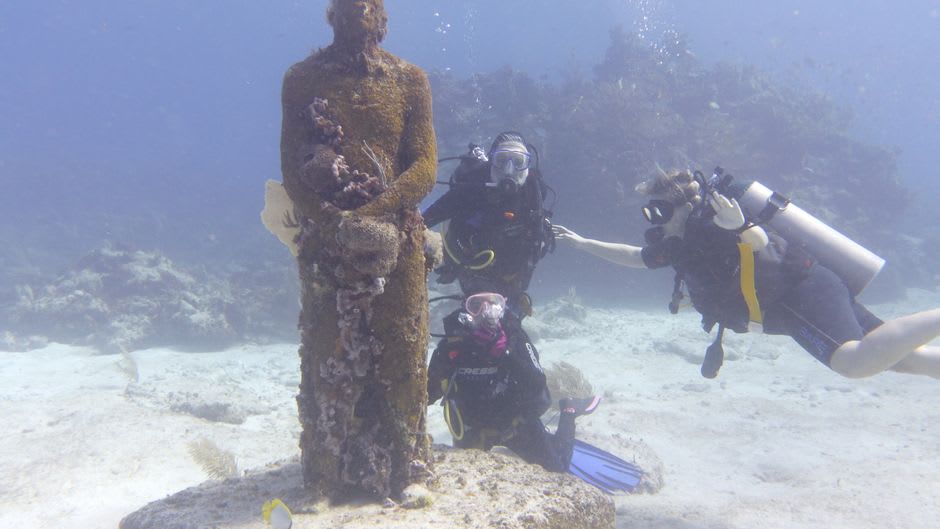
The thing most people associate with La Roqueta — if they know anything about it at all — is the Virgin de Guadalupe installed fifteen meters below the surface on the ocean-facing side of the island. The water above her is clear enough that you can make out her silhouette from the surface if the light is right. Snorkel rentals are available from vendors near the landing dock for around 150 pesos. The visibility surprised me; I had expected murk and found something closer to an aquarium. The reefs are not dramatic — no walls of technicolor coral — but the fish life is steady and unhurried, and the pilgrimage site gives the dive a quality that purely recreational snorkeling rarely manages. Locals bring flowers and small offerings down to the base of the statue. Watching that from above, in silence, with thirty feet of water between you and everything else, is a specific kind of quiet that I was not expecting to find twelve minutes from a major Pacific resort city.
Two Beaches, Two Islands
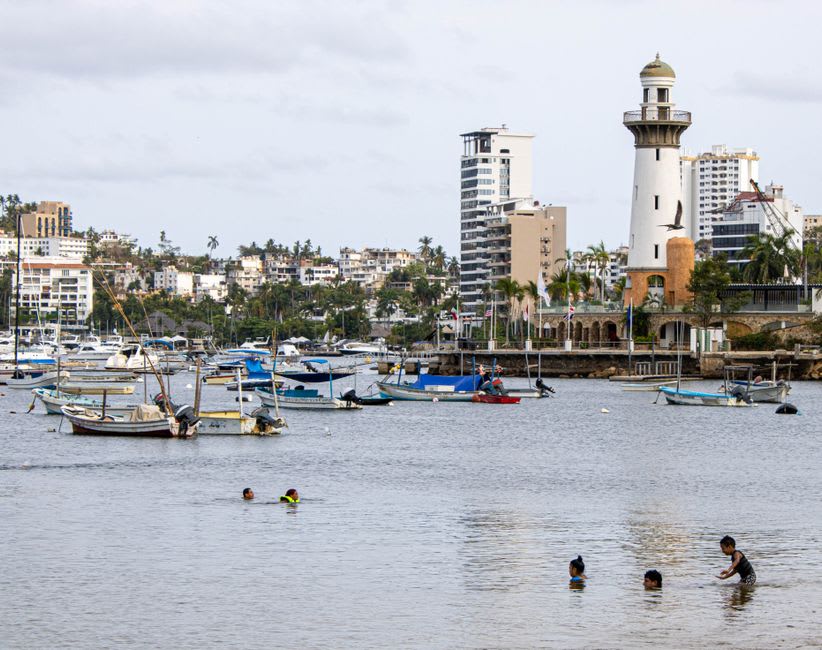
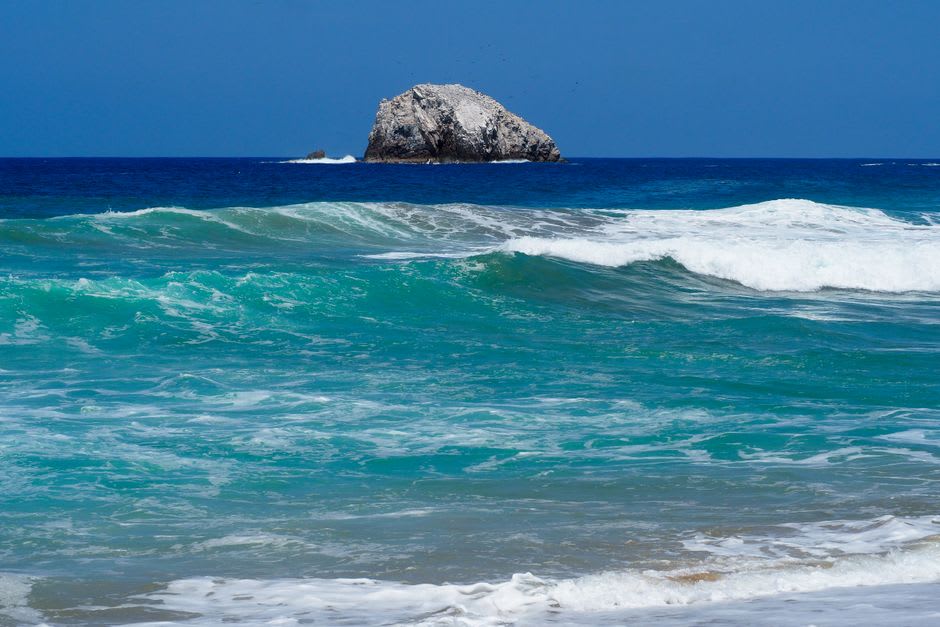
La Roqueta has two distinct personalities depending on which side you are standing on. The bay-facing side, where the pangas arrive, has the restaurants and the noise — vendors, children wading, the occasional jet ski circling past. Walk ten minutes across the island on the dirt path behind the dock, past the small lighthouse and through the low scrub, and you reach Playa La Angosta, which faces the open Pacific. The water is calmer than that description suggests; the island itself blocks most of the swell. The difference in crowd density is difficult to exaggerate. I counted eleven people on the beach the morning I crossed — a Saturday in January, peak season by Acapulco standards — and none of them were trying to sell me anything. The sand is coarser than Playa Caleta and the shade thinner, but the trade feels entirely fair.
What to Eat, and When to Arrive
Lunch on the island means the palapa restaurants near the dock — four or five of them, all running roughly the same menu of pescado a la talla, ceviche, and cold Pacíficos pulled from a cooler. I ate at the one with the blue plastic chairs closest to the water. I cannot tell you its name because there was no sign. The ceviche de camarón was legitimately good — lime-bright, not drowned in ketchup, served with tostadas that held their crunch. Prices are tourist-adjacent but not punishing. Bring cash; no one on the island runs cards. If you can time your arrival for nine in the morning on a weekday, the water will be at its clearest and the boats at their emptiest. By early afternoon the day-trippers have arrived and the return pangas fill up fast.
Getting There
Pangas depart from Playa Caleta, on the old bay side of Acapulco, roughly every twenty minutes throughout the morning. The crossing takes about twelve minutes. Round-trip tickets are sold at the dock and run between 80 and 100 pesos depending on the operator and the day. Boats generally stop running by mid-afternoon — plan to be back at the dock by 3 p.m. to avoid being stranded. Playa Caleta itself is a ten-minute taxi from the Zócalo.