Tepotzotlán
"I stood in front of that facade for a solid twenty minutes before I even walked inside — every time I thought I had seen it all, another corner caught the light differently."
Everyone heading north out of Mexico City on a weekday morning is going to Teotihuacan. I used to be one of them. It took a friend’s offhand remark — you have been to the pyramids but not the museum in Tepotzotlán? — to reroute me onto the toll road that branches off before the valley opens wide. The town arrived without fanfare: a quiet plaza, a few taco vendors setting up their comals on the far side of the zócalo, and then the facade of the church of San Francisco Javier stopped me mid-step on the cobblestones and held me there.
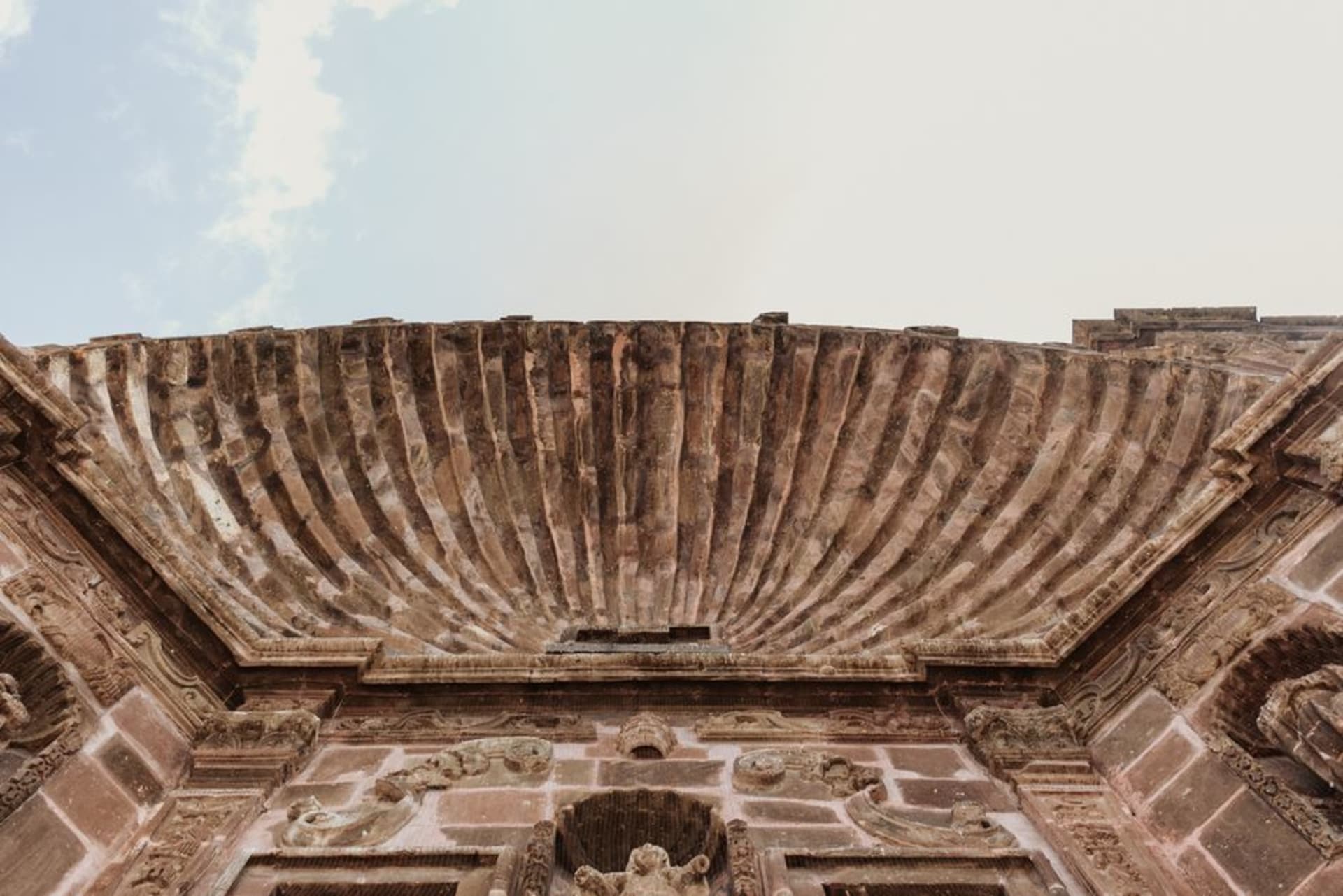
A Facade That Refuses to Finish
The church was completed in 1762, and the Jesuits who commissioned it had no apparent interest in restraint. The churrigueresque style — already known for excess — reaches a kind of terminal velocity here. The facade is covered in relief so dense that the stone seems to have flowered rather than been carved: saints in niches stacked to the roofline, estípite columns that taper and reverse and taper again, gold-leaf detail that changes character as the light moves across it through the morning. I stood there long enough that a woman selling elotes nearby asked if I was all right.
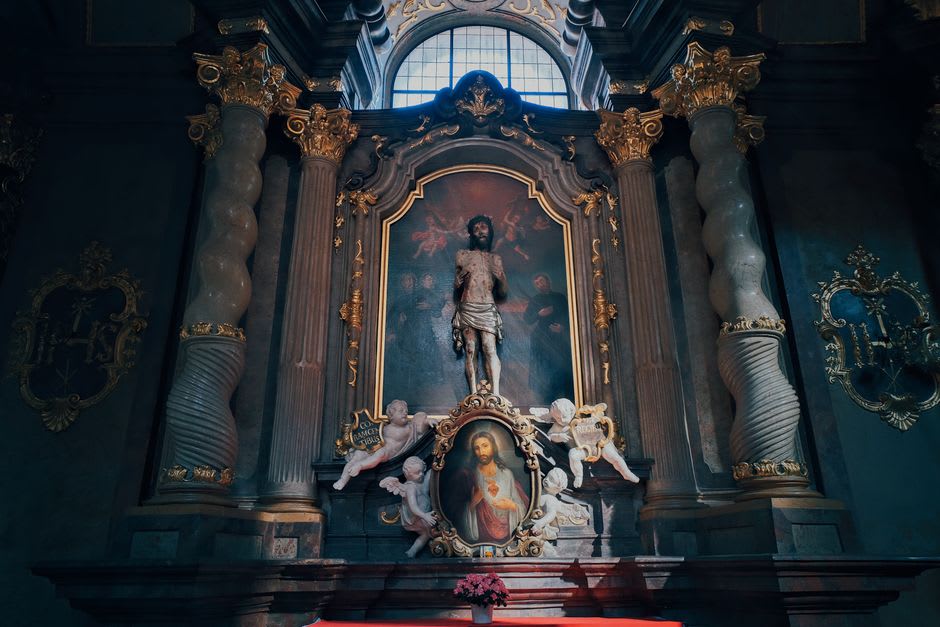
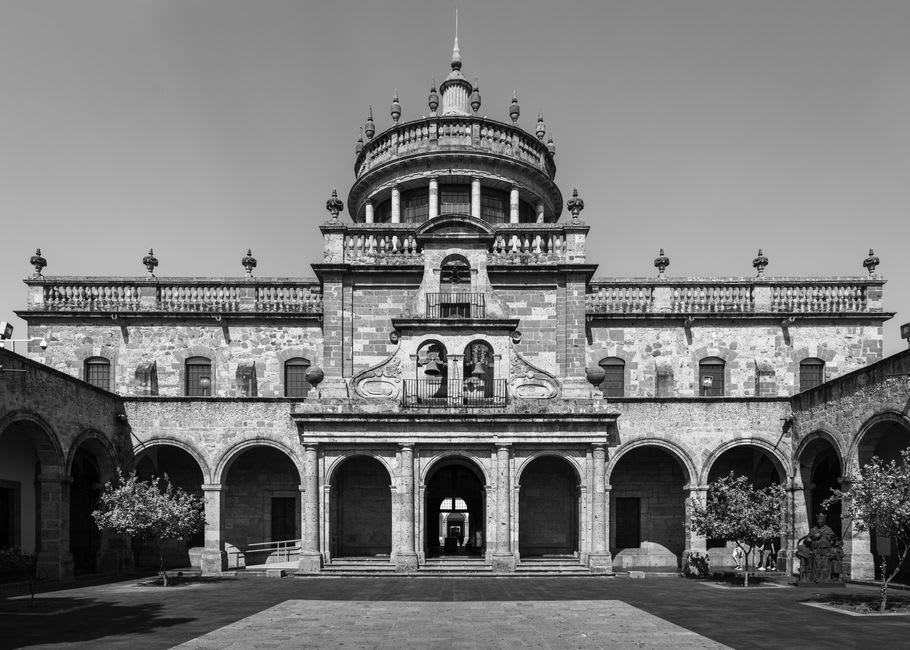
Inside, the church gives way to the Museo Nacional del Virreinato, housed in the former Jesuit college. The collection runs across sixteen rooms: oil paintings on cedar, inlaid furniture, carved ivory that made it from the Philippines somehow, silver altar pieces the size of wardrobes. It is one of the most significant colonial art collections in Mexico, and on the Tuesday I visited, I shared it with perhaps thirty other people. The acoustics alone — barrel-vaulted ceilings, stone floors — make the experience feel different from anything you find in a capital-city museum.
The Mercado and the Problem with Leaving Early
The Mercado Municipal sits two blocks from the plaza and operates on its own schedule, indifferent to the museum’s hours. By nine in the morning the gorditas stands are in full swing — masa pockets filled with frijoles, chicharrón prensado, or rajas con crema, pressed on a comal and handed across the counter on wax paper with a cup of atole. Later, the barbacoa vendors wind down, which is a reason to arrive on a Saturday or Sunday if your itinerary allows. I arrived on a Tuesday and made do with a bowl of caldo de res that was, frankly, one of the better things I have eaten in Estado de México — dark broth, soft vegetables, a wedge of lime balanced on the rim.
The vendors here sell to the people who live in Tepotzotlán. That is not nothing. The prices reflect it, and so does the conversation.
What the Town Looks Like at Three in the Afternoon
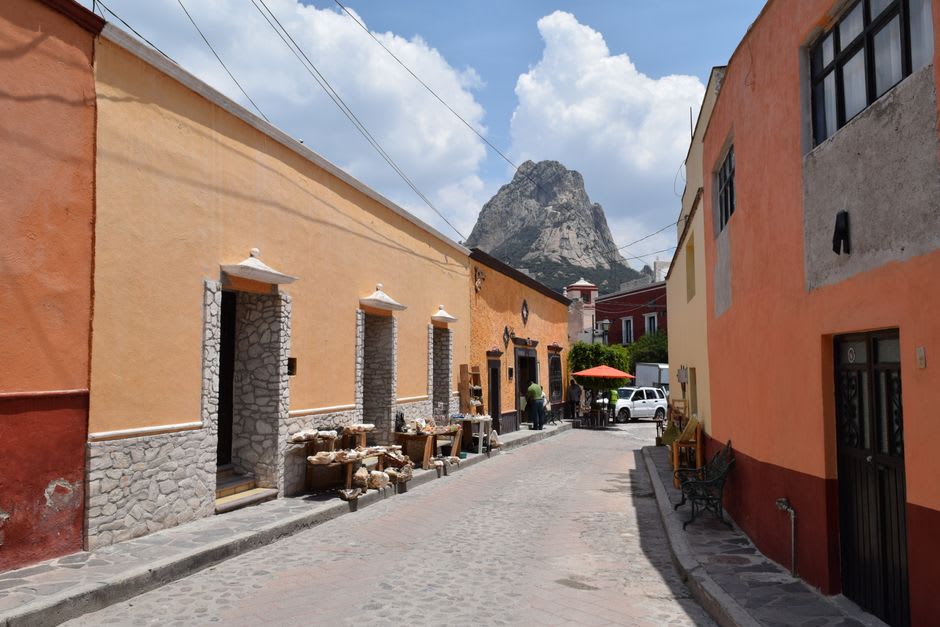
By mid-afternoon most day-trippers are back on the toll road. The plaza quiets, the vendors consolidate, and the town becomes what it is the rest of the time: a small Estado de México municipality where people go to the pharmacy and pick up children from school. I walked the streets around the convent — Insurgentes, the lane that runs behind the church wall, the narrow passage near the monastery garden — and found a café on the corner of the plaza serving proper café de olla and a slice of pan de elote that held together better than most. The convent walls are worth a second pass at this hour. The light comes from the west and the facade looks entirely different from what you saw at ten in the morning — quieter somehow, the gold less insistent, the stone more visible underneath.
Getting There
Tepotzotlán is 43 kilometers north of Mexico City, about 45 minutes by car on the toll road toward Querétaro — exit at the Tepotzotlán sign. From the Terminal del Norte, peseros run to the town for around 30 pesos; confirm with the driver before boarding. The Museo Nacional del Virreinato closes Mondays and charges a modest entry fee. Weekday mornings are the right time to visit; weekend crowds, while not overwhelming, are heavier and the museum fills unevenly.