Temascalcingo
"Velasco painted this valley's light before I ever saw it. Standing in the fields, I understood why he couldn't leave it alone."
I came to Temascalcingo because of a painting. In a museum in Mexico City I’d stood a long time in front of a José María Velasco landscape — those vast luminous valleys of central Mexico he rendered with almost scientific patience — and read that he came from this corner of the Lerma valley, up in the far northwest of the state. Something about that made me want to see the actual ground. So on a free weekend I drove up into the green farming country, past fields and low hills, and found a modest town that has no interest in impressing anyone, sitting in a valley whose light I recognized immediately.
The Lerma Valley and Velasco’s Country
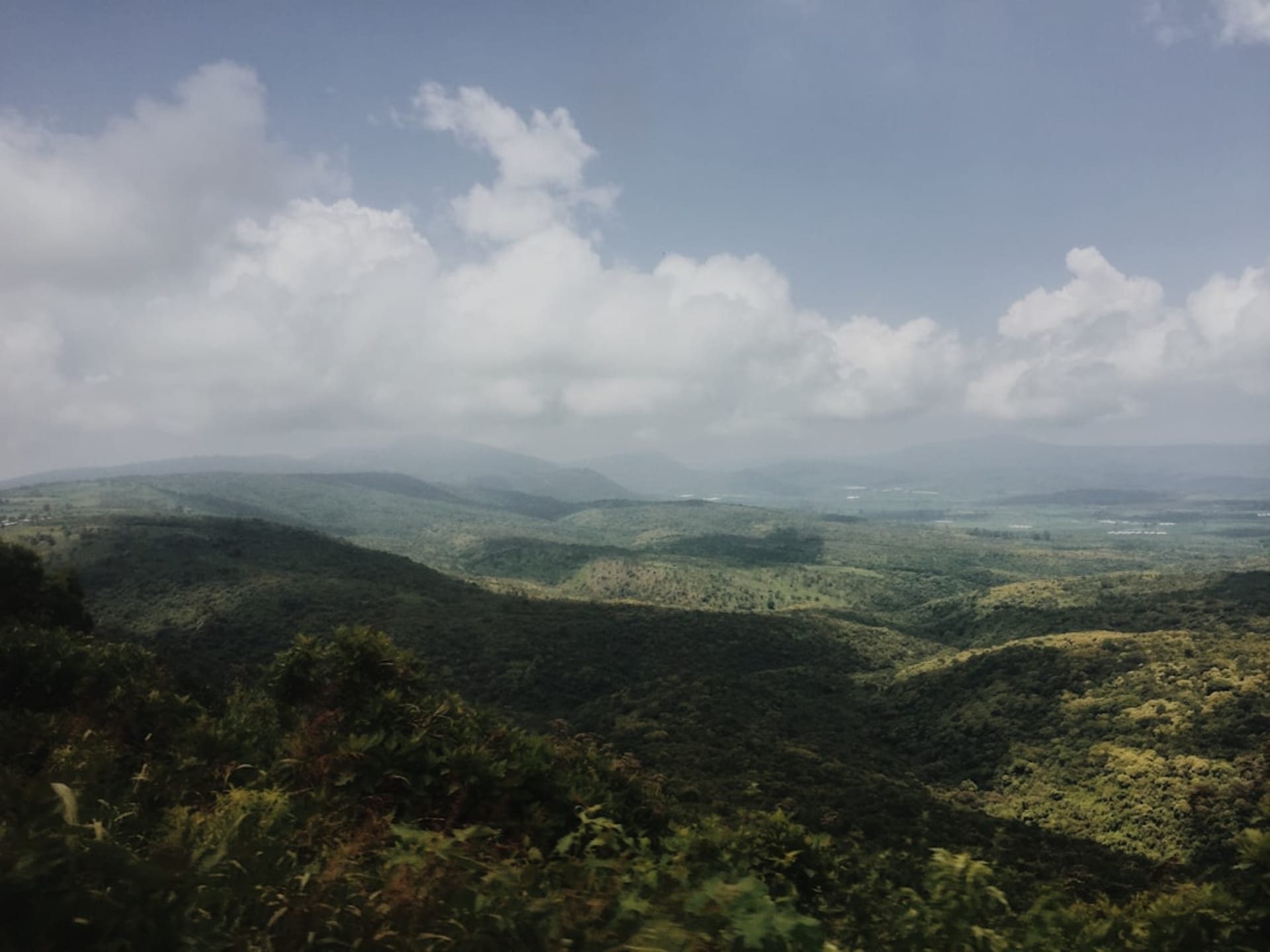
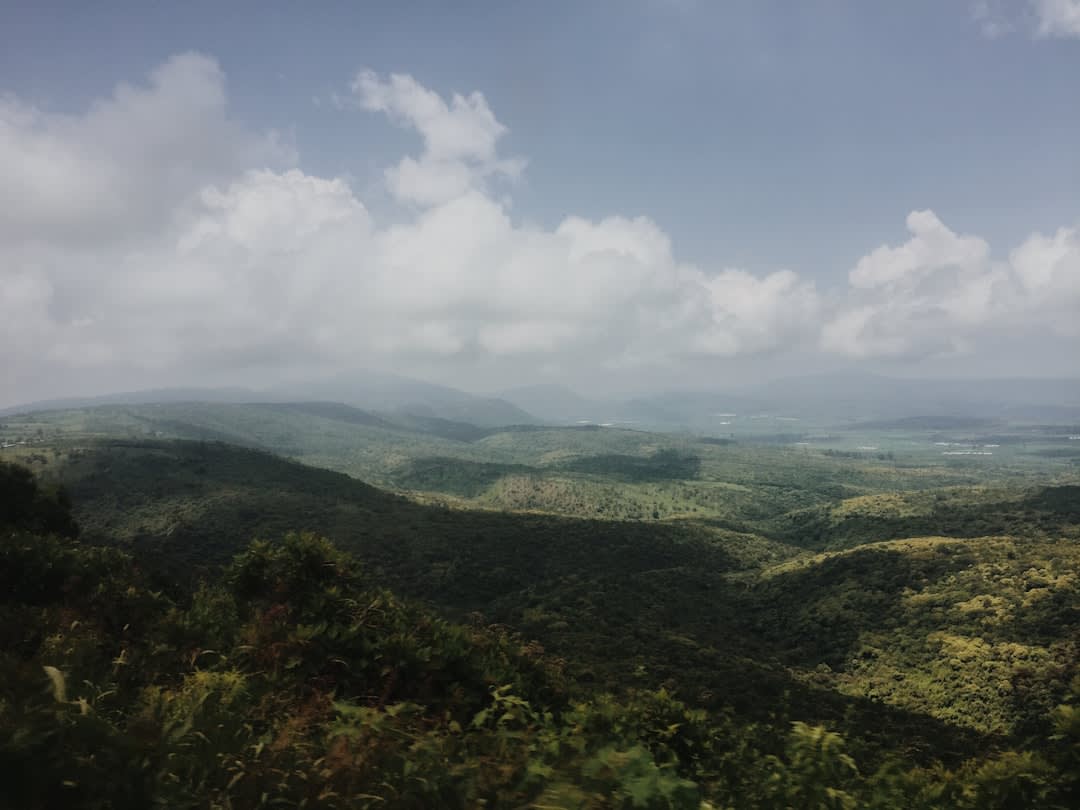
The upper Lerma river runs through green, cultivated country here — maize and beans and grazing land laid across a broad valley floor, low hills rising on either side, the whole thing washed in the soft, particular light of the central highlands. This is the landscape Velasco grew up in, and once you’ve seen his paintings you can’t unsee them in the real valley: the way the fields recede in bands of color, the clarity of the far hills, the enormous patient sky.
I parked at a field edge one afternoon and just walked a farm track for an hour, greeting the occasional farmer, watching the light move across the valley. There are no famous viewpoints here, no signposted miradors — just the ordinary agricultural country that happened to produce one of Mexico’s great landscape painters. I found that more moving than any monument. The valley made him, and it’s still here, still green, still doing the quiet work of feeding people.
The Thermal Springs
The other thing Temascalcingo gave me was warm water. The area has thermal springs — the geology of the highlands heats the groundwater — and a modest balneario where locals go to soak. On a cold highland afternoon I lowered myself into the warm water and stayed far too long, watching families do the same, kids shrieking, grandmothers soaking in dignified silence at the shallow end.
There’s nothing luxurious about it, and that’s exactly why I liked it. This isn’t a spa; it’s a town amenity, the way a public pool is elsewhere, except the water comes out of the ground already warm. I fell into conversation with a man from a nearby village who came every week for his knees, and he told me the springs had been used for as long as anyone could remember, long before the concrete pools. The name of the town itself carries that heat — temazcal, the old steam-bath tradition, is written into it.
Clay, Wool, and Mazahua Hands
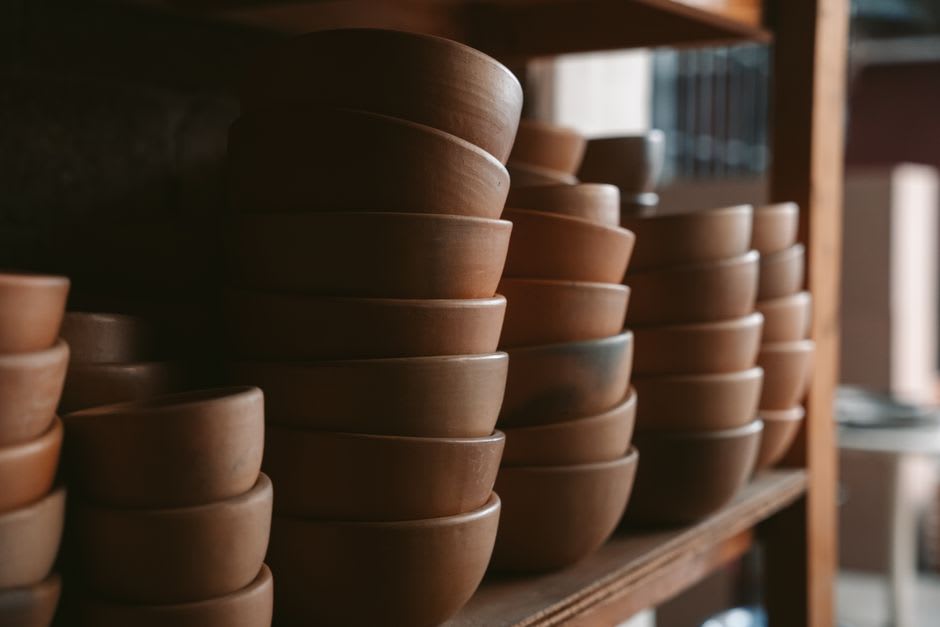
Temascalcingo is Mazahua and Otomí country, indigenous communities of this highland corner, and the crafts here run in that grain — traditional pottery worked from local clay, and textiles woven in the old way. I visited a family workshop where a woman was shaping bowls by hand, her fingers moving with the unthinking precision of someone who has done it since childhood, and bought a rough-glazed piece that now holds fruit in my kitchen.
What I value about places like this is that the craft isn’t performed for tourists — there aren’t enough tourists for that. It’s simply the work people do, sold mostly to their neighbors and the regional markets. The woman was faintly amused that I’d driven all the way up from the city to buy one bowl. I tried to explain about Velasco and the valley and the light, and she nodded politely, wrapped my bowl in newspaper, and went back to the wheel. The town keeps its rhythm whether you understand it or not.
Getting There
From Mexico City: about 3 hours by car heading northwest via Atlacomulco and continuing to Temascalcingo; buses run from the Terminal del Norte to Atlacomulco (roughly 2h) with local connections onward to Temascalcingo. From Toluca: about 2 hours by car. A car is helpful for reaching the field edges, the springs, and the surrounding villages, though the town itself is small and walkable. This is high, green country — bring a warm layer for the evenings, and don’t come expecting a polished tourist town. Come for the valley, the warm water, and the quiet.