Soyaniquilpan
"The town you've driven past a hundred times without once slowing down."
For years Soyaniquilpan was just a name on a green highway sign to me — Soyaniquilpan de Juárez — one of those long Otomí words I’d mouth at the wheel on the drive north and then forget the moment it slid past. Then one August my radiator started coughing and I took the exit out of sheer mechanical panic, and while a patient mechanic in a tin-roofed shop coaxed my car back to life, I walked the town. It taught me something I keep relearning in Mexico: the places you speed past are usually the ones holding the quietest version of the country.
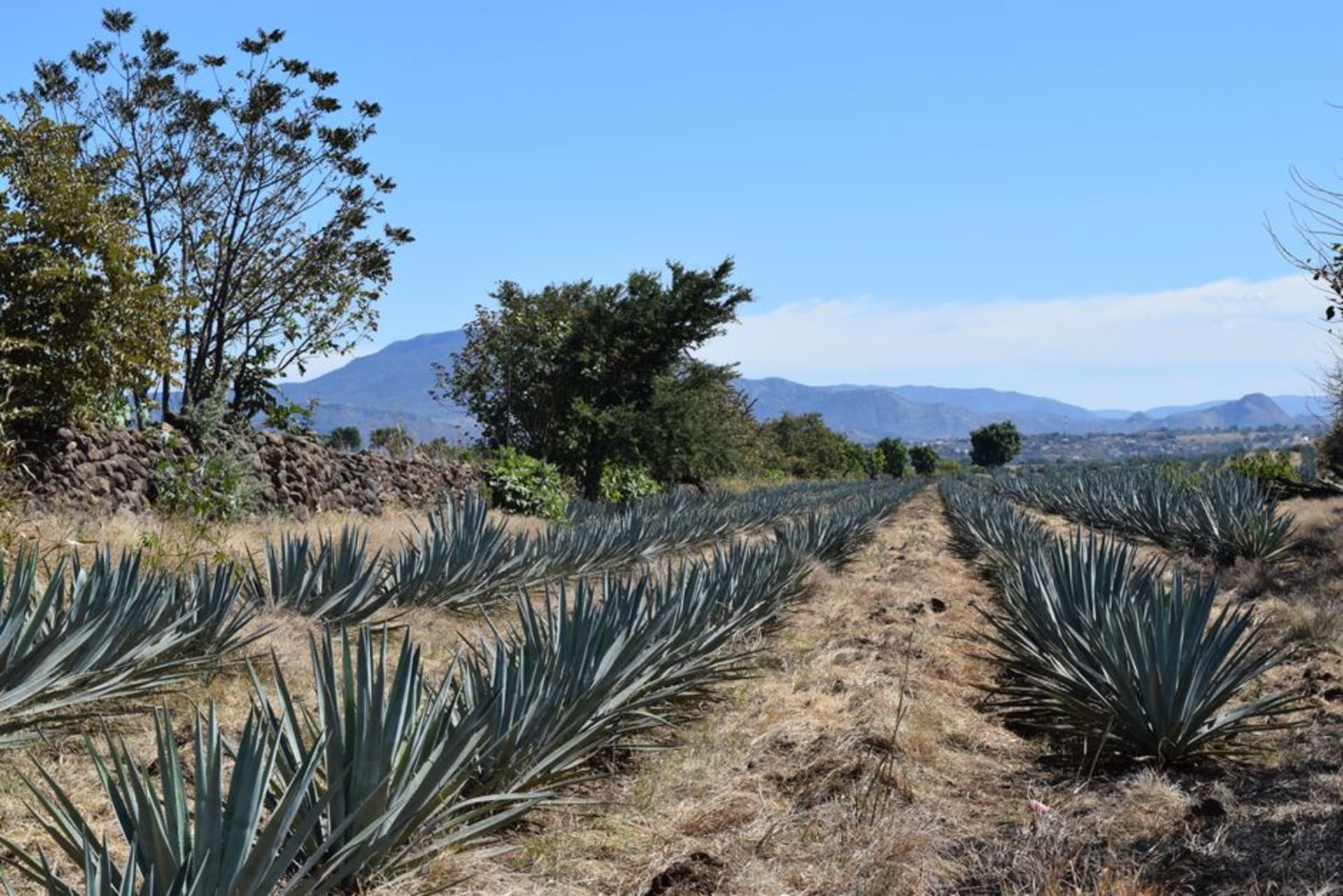
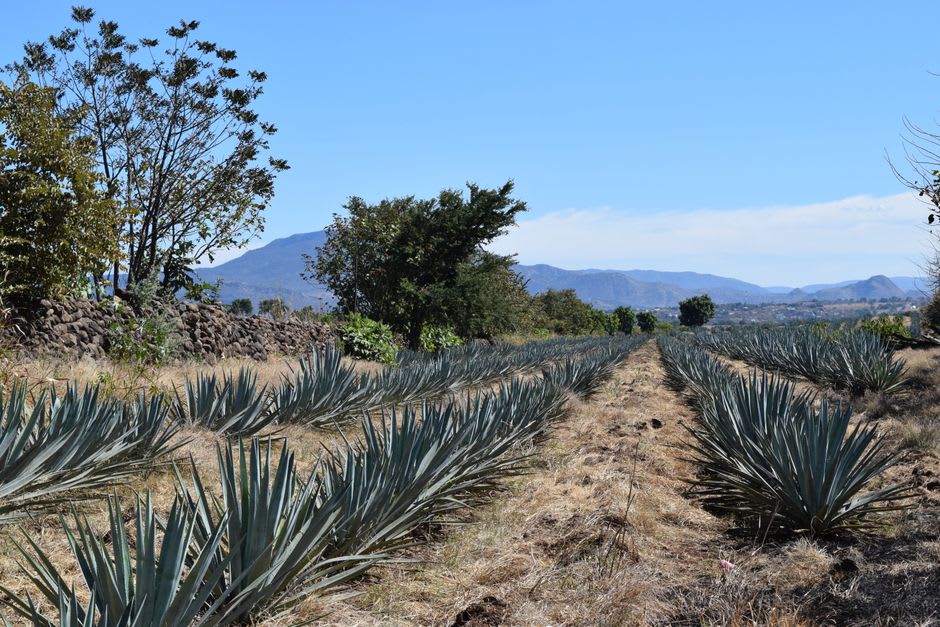
The maguey plains
This is dry land. Northern Estado de México here is high, hard, and thirsty, and the crop that makes sense of it is the maguey — the agave that gives pulque, planted in long grey-green rows that march to the horizon. I walked out past the last houses to where the fields begin and stood among plants taller than me, their leaves edged with thorns and tipped with a single wicked spine. An old man scraping the heart of one for aguamiel let me taste it: sweet, vegetal, faintly sour, the sap that ferments into pulque before the day is out.
He was Otomí, and he told me the plants outlive the men who tend them — a maguey can take a dozen years to mature and dies once it flowers, so you plant for your children. I’ve thought about that a lot since. There’s a patience baked into this landscape that has nothing to do with tourism and everything to do with time.
The San José reservoir
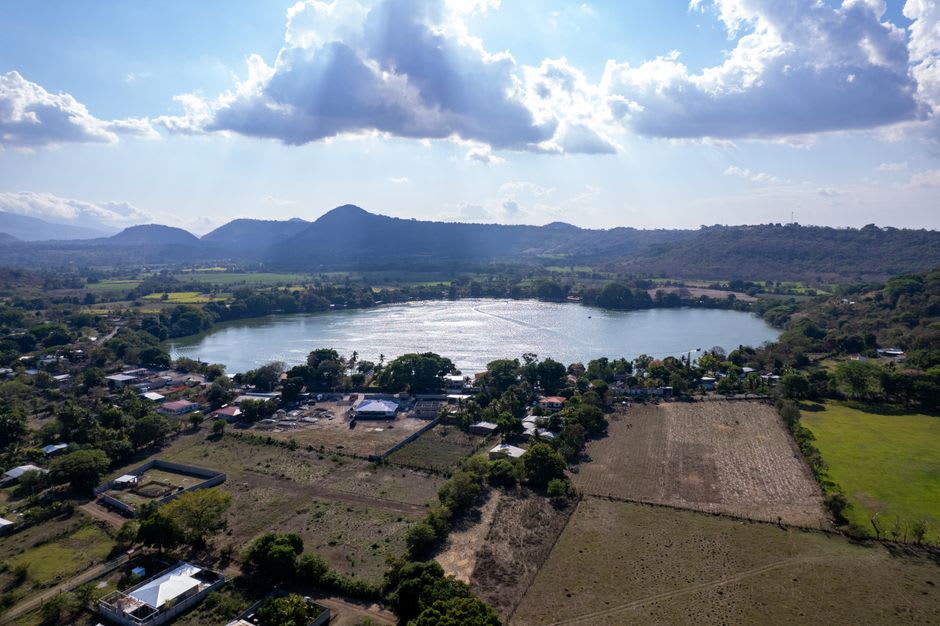
North of the town centre the land dips to hold the San José reservoir, and it’s the one place around here that breaks the dryness. I drove out on the mechanic’s recommendation — he’d said it with a shrug, the way locals recommend things they assume can’t possibly interest an outsider — and found a wide sheet of water throwing back the whole enormous sky. A few men were fishing from the bank with hand lines. Cattle had come down to drink. The wind carried the smell of wet earth, which after the dust of the plains felt almost extravagant.
I sat on the embankment and ate a torta I’d bought in town. Nobody bothered me. Nobody sold me anything. The reservoir just held its water and its light and asked nothing, and I understood why the mechanic had shrugged: to him this was simply Tuesday.
Otomí quiet
Soyaniquilpan wears its Otomí roots without ceremony. There’s no restored show-village here, no plaque explaining the culture to you — just the language surfacing in a market stall’s greeting, in a place name, in the way the old crafts of the maguey persist because they still make sense. The town itself is small and workaday: a modest church, a few shops, dogs asleep in the middle of streets that see no traffic worth mentioning.
I’ve come to think of towns like this as the connective tissue of Mexico — the unglamorous stretches between the famous places that actually hold the country together. I spent the afternoon doing nothing in particular and left with my repaired car and a strange reluctance, the reluctance you feel leaving a place that never once tried to make you stay.
Getting There
Soyaniquilpan de Juárez sits right on the Highway 57 toll road north of Mexico City, about ninety minutes toward Querétaro — the exit comes up in the dry country past Jilotepec. Any bus running the Mexico City–Querétaro corridor passes within reach, though few travellers ever get off here. With your own car it’s an easy detour: pull off the highway, and within a few minutes you’re among the maguey. The reservoir is a short drive north of the town centre on local roads; ask anyone. Go in the dry months for the hard clear light, and don’t expect services beyond the basics — that scarcity is exactly what keeps the place honest.