Otumba
"Everyone comes to Teotihuacán and no one drives the extra half hour east. That half hour is where the real plains begin."
I found Otumba by accident, the way I find most of my favorite places. I’d spent a morning at Teotihuacán climbing pyramids with a visiting friend, and rather than turn back toward the city we kept driving east, into flatter, drier country where the agave started lining the roads in long blue-green rows. A sign said Otumba. I remembered the name from a history book — a battle, something about Cortés — and on that thin justification we drove in, parked by a dusty plaza, and had one of those unplanned afternoons that end up meaning more than the thing you actually set out to see.
The Maguey Plains and Pulque
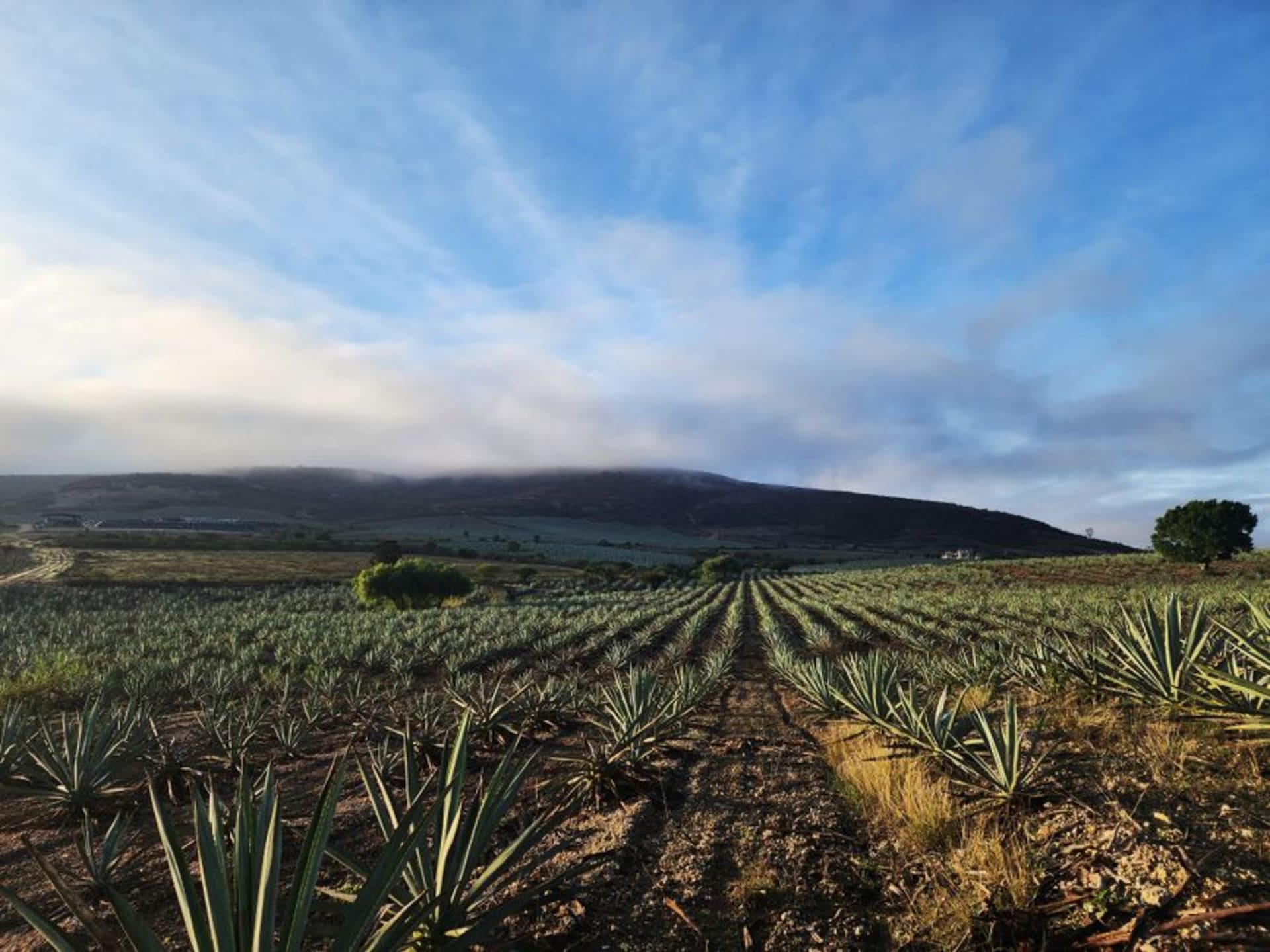
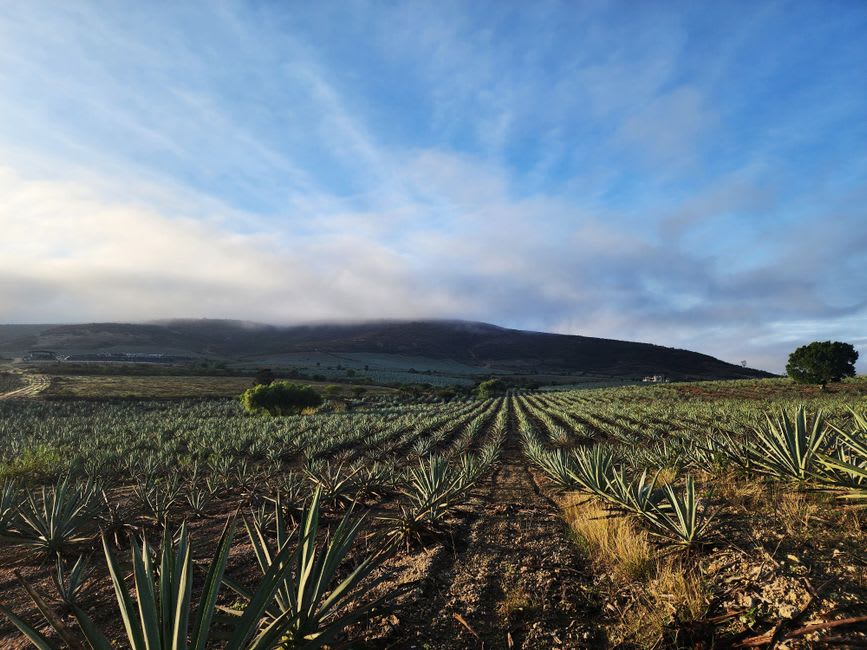
East of Teotihuacán the land opens into the maguey plains — dry, wide, planted for centuries with the great agave whose sap the Aztecs fermented into pulque long before the Spanish arrived. The rows run to the horizon in every direction, blue-grey and spiky, and driving between them you feel the age of the practice. This is pulque country, the milky fermented agave drink that predates tequila by a thousand years and that most tourists never try.
I stopped at a roadside place where a man was selling pulque from plastic jugs, and he poured me a cup of the natural stuff — sour, thick, faintly yeasty, an acquired taste I’m still acquiring. He explained how the plant is scraped and the aguamiel collected daily, how a single maguey takes years to mature before it gives. I bought a jug of a curado version blended with oatmeal that was gentler, and we stood in the dust talking about how few young people want to do this work anymore. The plains, he said, are emptier of pulqueros every year.
The Donkeys and the Feria del Burro
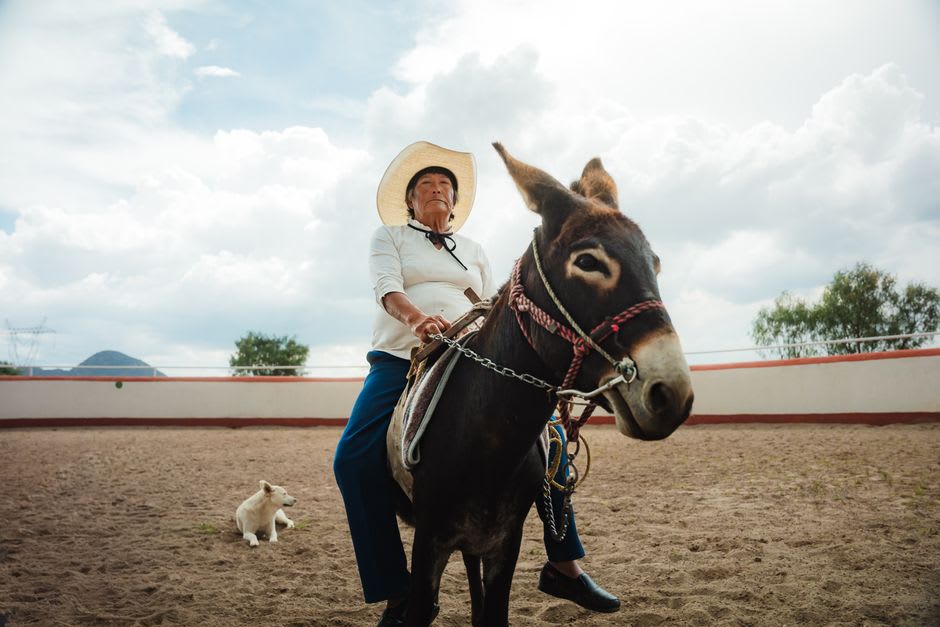
What Otumba is genuinely famous for, I learned that afternoon, is donkeys. The town holds an annual burro fair — a Feria del Burro that draws people from across the country to celebrate an animal that has carried Mexico’s rural loads for centuries. I wasn’t there for the fair, but the donkeys are woven into the town’s identity year-round; there’s a real fondness here for the humble beast, and a sense that Otumba has chosen to be proud of exactly the thing a fancier town might hide.
A woman in the plaza told me about the fair with obvious affection — the costumed donkeys, the races, the sheer good humor of a whole town organizing itself around burros for a day. I loved the modesty of it. In a country where so many towns compete to be the most colonial, the most Instagrammable, Otumba throws a party for donkeys and pulque and doesn’t apologize. I promised her I’d come back for it, and I mean to.
History Pressed into the Land
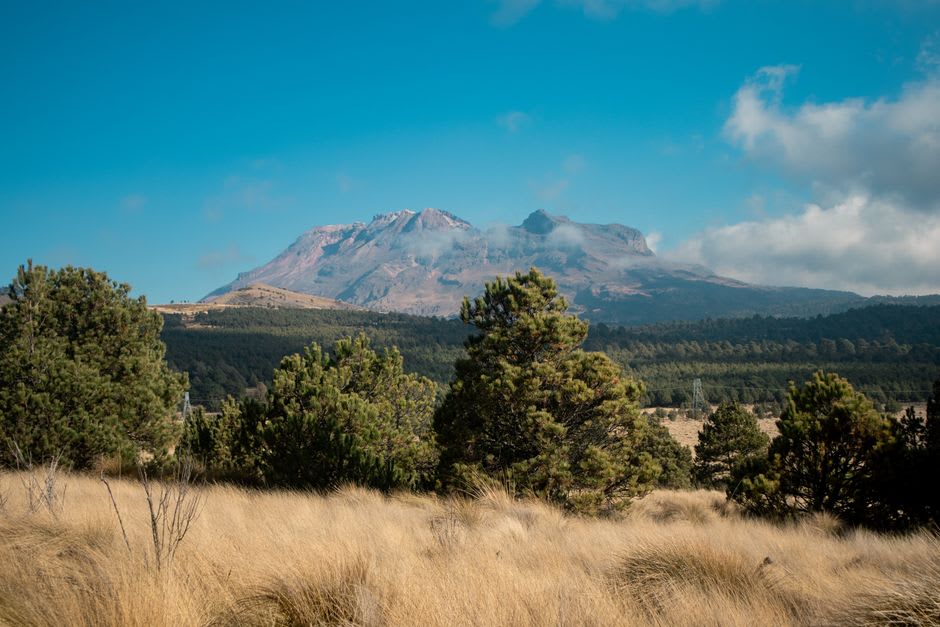
Otumba wears its history quietly. This was the site of a famous battle in 1520, when Cortés and his men, retreating and half-destroyed after being driven out of Tenochtitlán, fought a decisive engagement on these plains. Standing in the dry fields it’s hard to picture — the land is so flat and ordinary now, so given over to agave and grazing — but that flatness is exactly what makes it easy to imagine armies moving across it.
The town’s Franciscan church anchors the plaza, weathered stone from the early colonial century, the kind of solid, unfussy building the friars threw up across this region. Otumba is also obsidian country — the volcanic glass that Teotihuacán traded in — and the ground around here has given up blades and cores for centuries. I picked a small dark chip off a field edge, turned it in the light, and set it back down. Some things belong to the plains.
Getting There
From Mexico City: about 1 to 1.5 hours by car heading northeast past Teotihuacán and continuing east to Otumba; buses run from the Terminal del Norte toward the Teotihuacán/Otumba area, with local connections onward. The easiest approach is to pair it with a morning at the Teotihuacán pyramids and drive the extra half hour east afterward — few people do, which is exactly the point. A car gives you the freedom to stop among the maguey rows and find a roadside pulquero. Bring sun protection: the plains are high, dry, and shadeless, and the light is fierce by midday. If you can time a visit to the Feria del Burro, do.