Chapa de Mota
"Close your eyes and the pine smell tells you you've left the plains."
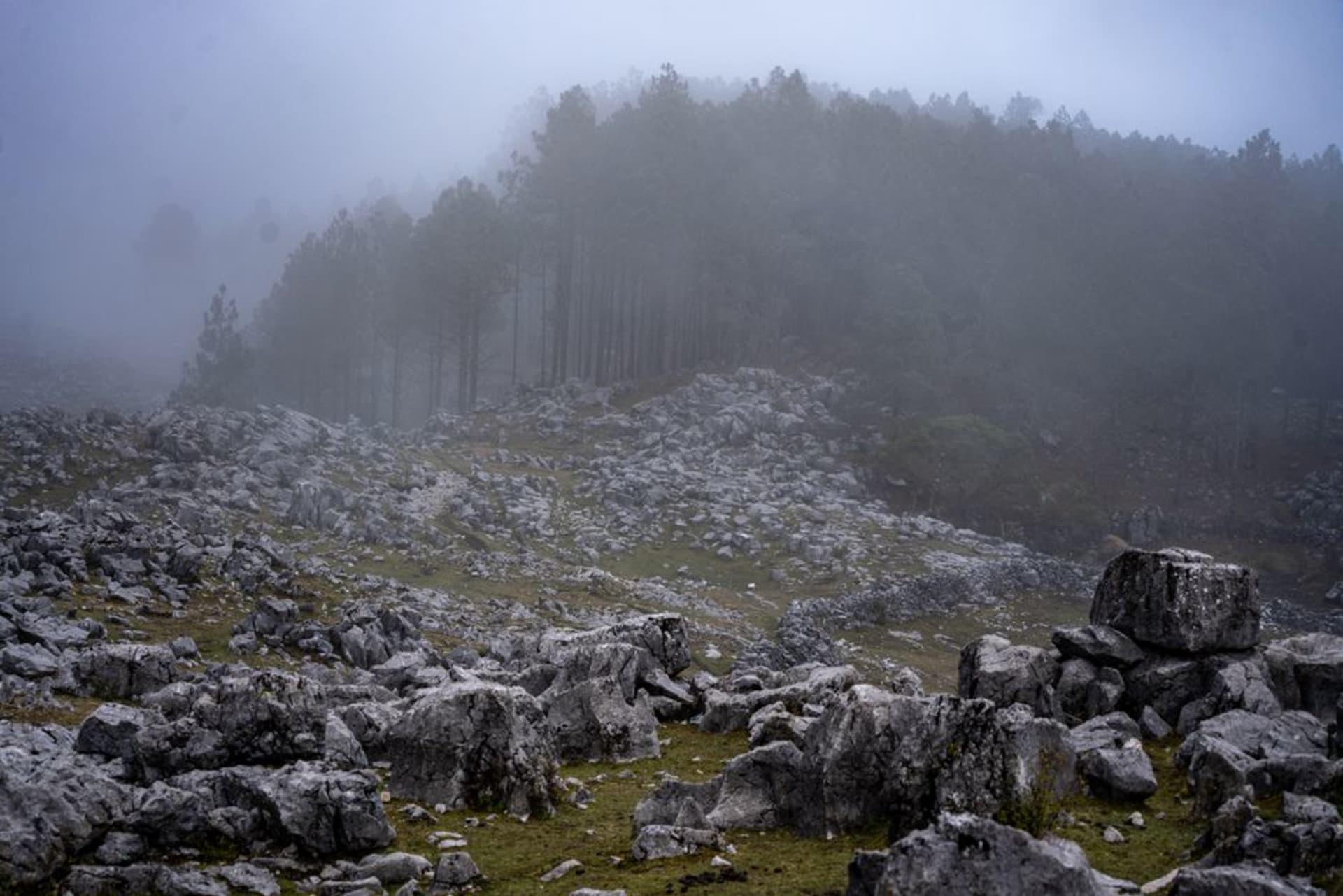
The first thing that happens on the road up to Chapa de Mota is that the temperature drops and the windows fog. You leave the dry brown plains of northern Estado de México and climb into pine forest, and somewhere in that climb the light goes green and the air goes damp and you find yourself slowing down without deciding to. I came up here on a grey Sunday when Mexico City felt too loud, and I remember the exact moment the smell of resin came through the vents. My shoulders dropped an inch. I hadn’t known they were up.
The pine woods
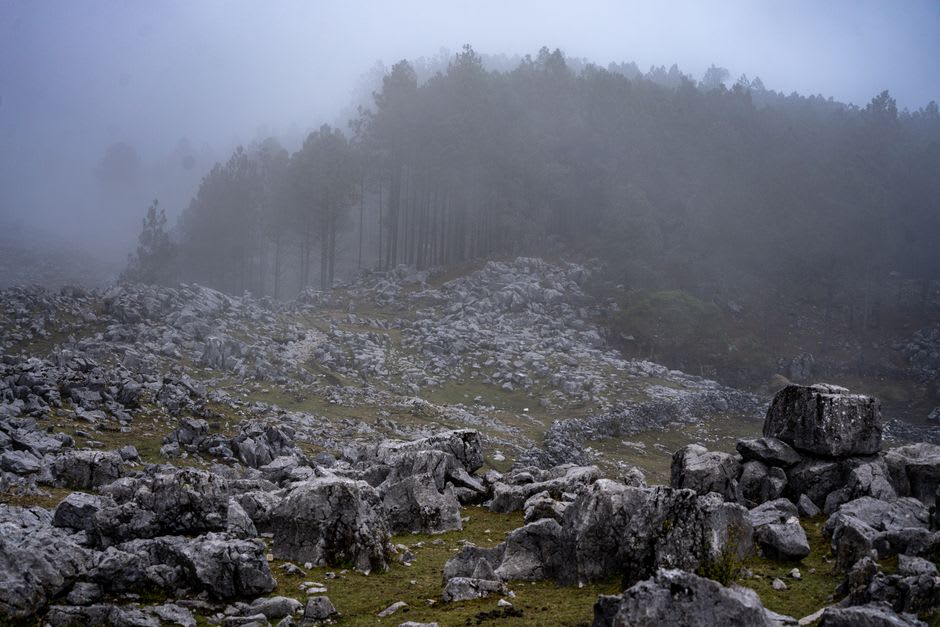
Chapa de Mota is wrapped in forest — proper highland pine and oak, the kind that holds moisture and drips long after the rain has stopped. I parked at the edge of town and walked into the woods on a soft trail carpeted in needles, and within ten minutes the town noise was gone and there was only the creak of trunks and the drip of water off high branches. Mist sat in the canopy well past noon, refusing to burn off, and I let it stay. This is not dramatic scenery. It’s intimate. It asks you to look close: at moss, at fungus, at the way water beads on a pine needle before it falls.
I passed a family gathering wood, a boy with a dog that decided to escort me for a while, and then nobody at all. For an hour I had a whole forest an hour from the capital entirely to myself, which in this overcrowded country still feels like theft.
Springs and waterfalls
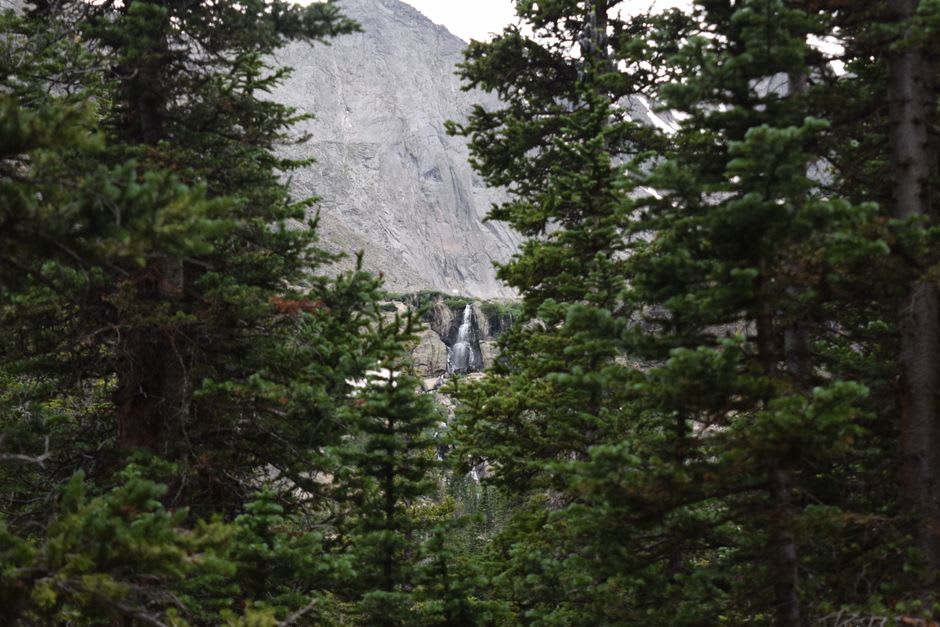
All this damp has to go somewhere, and around Chapa de Mota it gathers into springs and small waterfalls threading down through the woods. A man in the plaza told me where to find one — hand-drawn directions on a napkin, the best kind — and I followed a stream uphill until it gathered itself and fell, cold and clear, into a rock pool. The water was snowmelt-cold even in summer, spring-fed straight out of the mountain. I put my hands in and lost feeling in them within a minute.
I sat on a wet rock and ate the sandwich I’d brought, listening to the water and nothing else. A pair of hikers passed, nodded, moved on. There’s no ticket booth here, no railing, no gift shop — just water doing what water does, in a forest that hasn’t yet been told it’s supposed to be a destination.
The town and its Otomí thread
Back in town the damp follows you into the streets. Chapa de Mota is small and unhurried, its plaza modest, its church weathered by a climate that never really dries out. This is Otomí highland country, and you feel the older layer of it in the market and in the faces and in the crafts — wool worked against the cold, wood from the forests all around. I warmed up over a bowl of something brothy in a comedor where the owner apologised, unnecessarily, for the weather.
I’ve learned that Mexico keeps its cool green corners well hidden, tucked in the folds of mountains most travellers blast past on their way to somewhere sunnier. Chapa de Mota is one of them. I drove home damp and content, the pine smell still in my clothes, already planning the next grey Sunday I’d need to disappear.
Getting There
Chapa de Mota lies in the highlands of northern Estado de México, roughly an hour and a half from Mexico City and about an hour north of Toluca, reached by winding forest roads off the Atlacomulco highway. Buses run from Toluca and from the northern edge of the metro area, but a car gives you the freedom the place rewards — the springs and forest trails sit outside town on roads no bus bothers with. Bring a jacket regardless of season: it’s high, it’s damp, and the mist has a way of settling in. Weekdays and grey days are best, when the forest belongs to almost no one.