Acolman
"The facade stopped me cold. I sat on the steps for an hour just reading the stone."
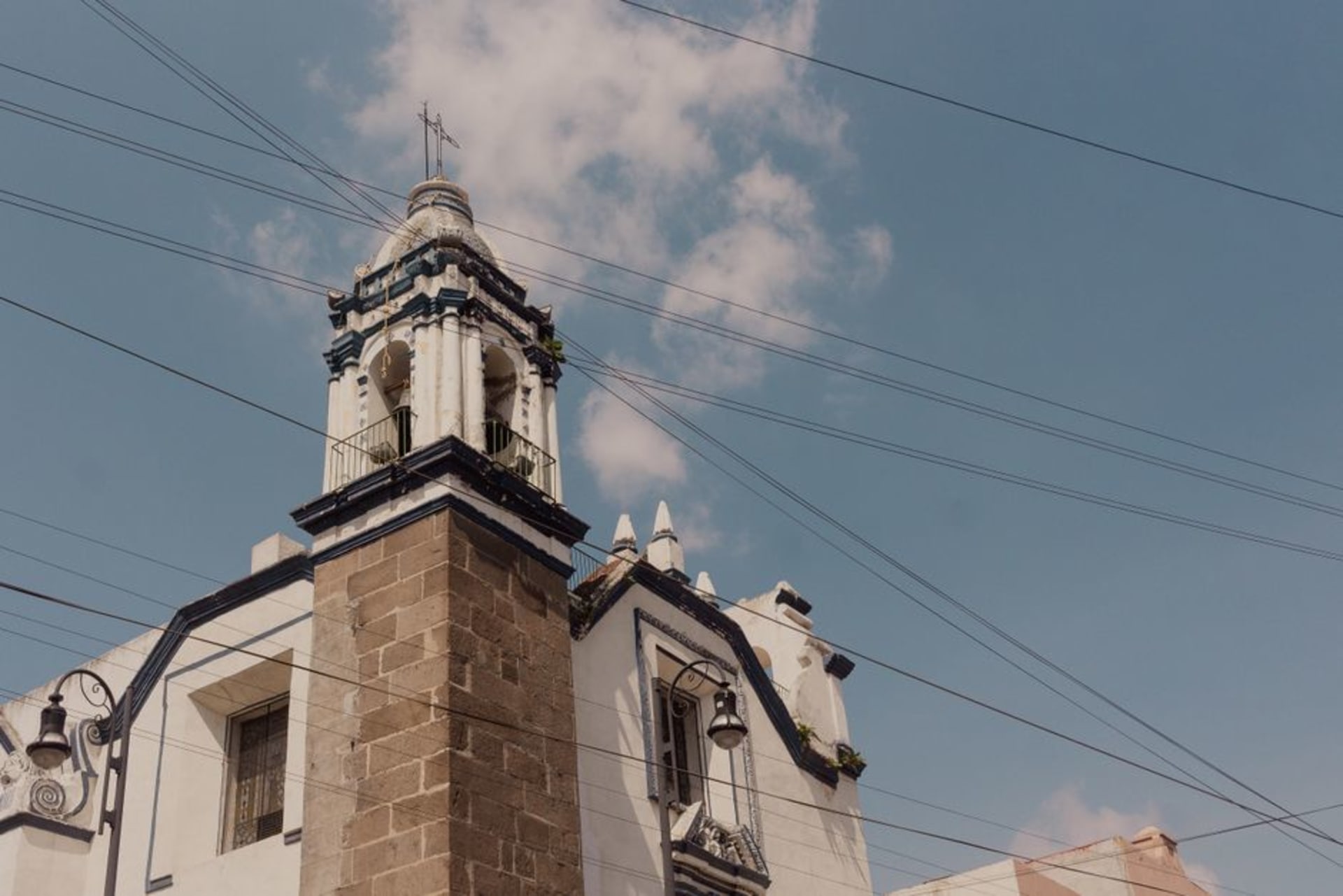
Every car on the road from Mexico City to Teotihuacan passes through Acolman. I drove that road three times before someone mentioned, almost as an afterthought, that I was missing something significant. I pulled off the highway on a Thursday in January expecting twenty minutes. The facade of the Ex-Convento de San Agustín appeared around a low stone wall, and I stood there long enough that a vendor with an aguas frescas cart assumed I was waiting for a ride. I was not waiting. I was trying to understand what I was looking at.
A Facade That Reads Like a Book
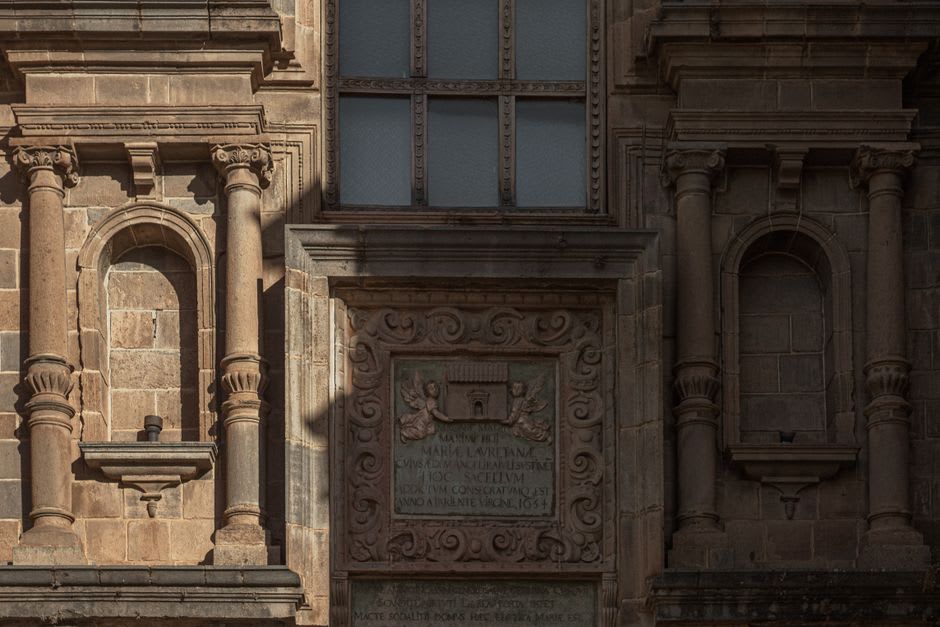
Plateresque is an architectural style named for its resemblance to silversmith work — fine, dense, layered. The word sounds abstract until you stand in front of the Acolman portal and realize that every surface of the main entrance is occupied: saints in shallow relief, angels with elaborate vestments, columns wound in foliate patterns, an arch framed by figures that shift in expression depending on where the afternoon sun sits. The Augustinians built this complex between roughly 1539 and 1571, and whoever directed the carving had both obsessive patience and a sharp instinct for layering Christian iconography onto pre-Hispanic stonecutting traditions. The result is not quite Gothic, not quite Renaissance, and entirely itself. Above the main door, the Augustinian emblem — the pierced heart — is flanked by what appear to be indigenous floral motifs. I have chosen to believe the friars noticed and left them intentionally.
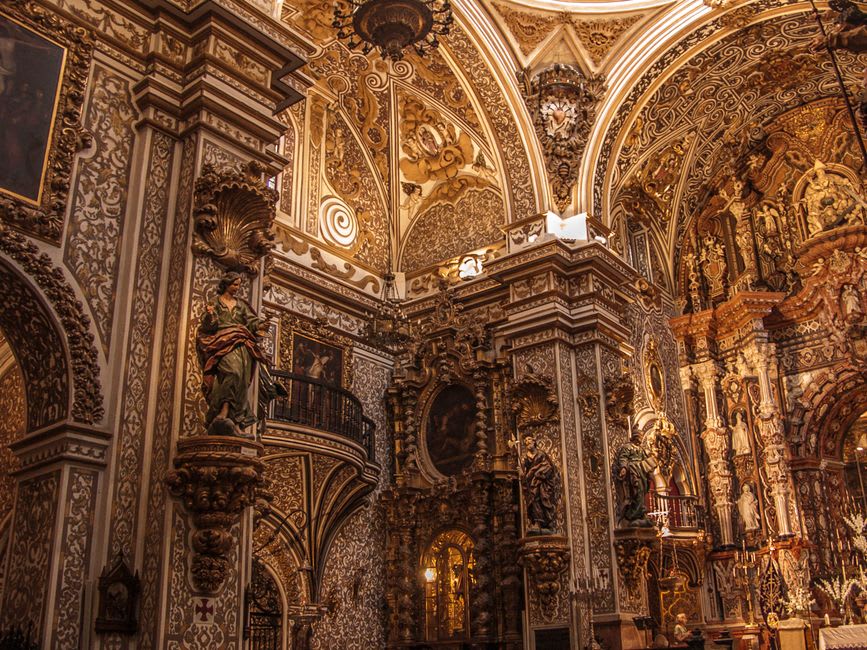
The interior cloister is severe and cool, its proportions quietly well-judged. The small museum inside contains colonial paintings and carved altarpieces that would command serious attention in a Mexico City gallery. Acolman simply doesn’t have that problem yet.
The Posadas Were Invented Here
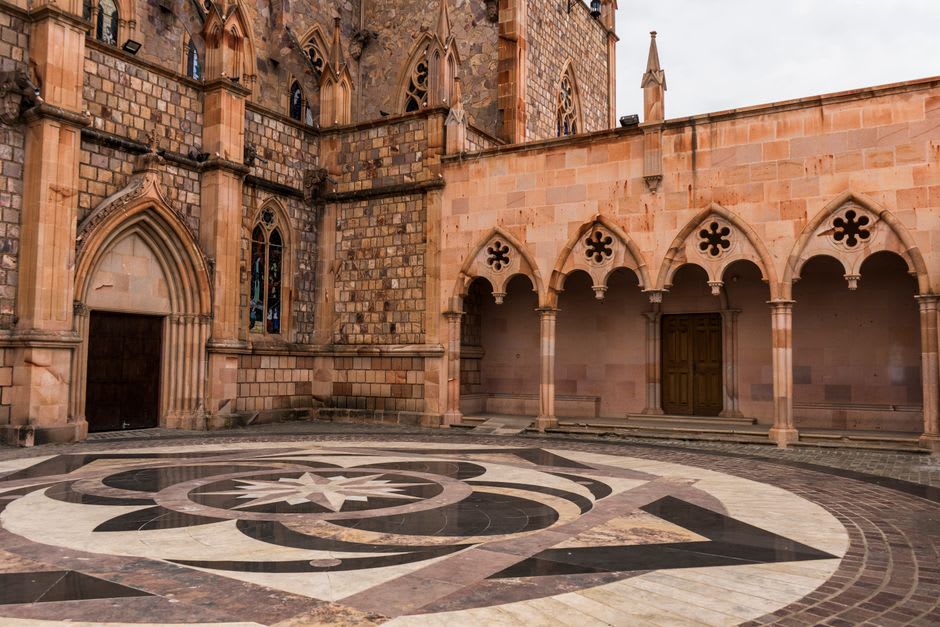
In 1586, a friar named Diego de Soria obtained papal permission to hold nine Masses in the atrium of this monastery, dramatizing Mary and Joseph’s search for shelter in Bethlehem. The Augustinians turned it theatrical and participatory, because that was the strategy: if you could not yet explain Christian theology in Nahuatl with full nuance, you could enact it. The posada spread from this atrium to every corner of the country, then across borders, into millions of households where people celebrate it each December without any awareness of this particular courtyard, this particular friar, this specific moment in the sixteenth century.
Standing in that same atrium in January, after the season had passed, there was something quietly strange about it — the ordinary stone walls and stripped garden where an entire tradition was assembled and then departed, leaving the monks’ compound largely to itself.
How to Be Here
Give Acolman two hours. The museum warrants at least forty-five minutes if colonial painting means anything to you at all. The atrium is good for sitting with no agenda. The convent closes Mondays. Go on a weekday morning if you can arrange it — by midday on a Saturday, tour buses returning from Teotihuacan occasionally stop, and the atmosphere changes. There is a small weekend market on the main plaza where you can find memelas and fresh cheese, but don’t count on it mid-week. I ate lunch once at the restaurant near the entrance without complaint and once without enthusiasm.
Getting There
Acolman is about 40 kilometers northeast of Mexico City, just off the Texcoco–Pirámides highway. From Terminal del Norte, take a bus toward San Juan Teotihuacan and ask to be let off at Acolman — roughly one hour. By car, follow the 132D east. If you are already visiting Teotihuacan, combining both sites in a single day is entirely feasible; Acolman is 15 kilometers closer to the city and a natural first stop.