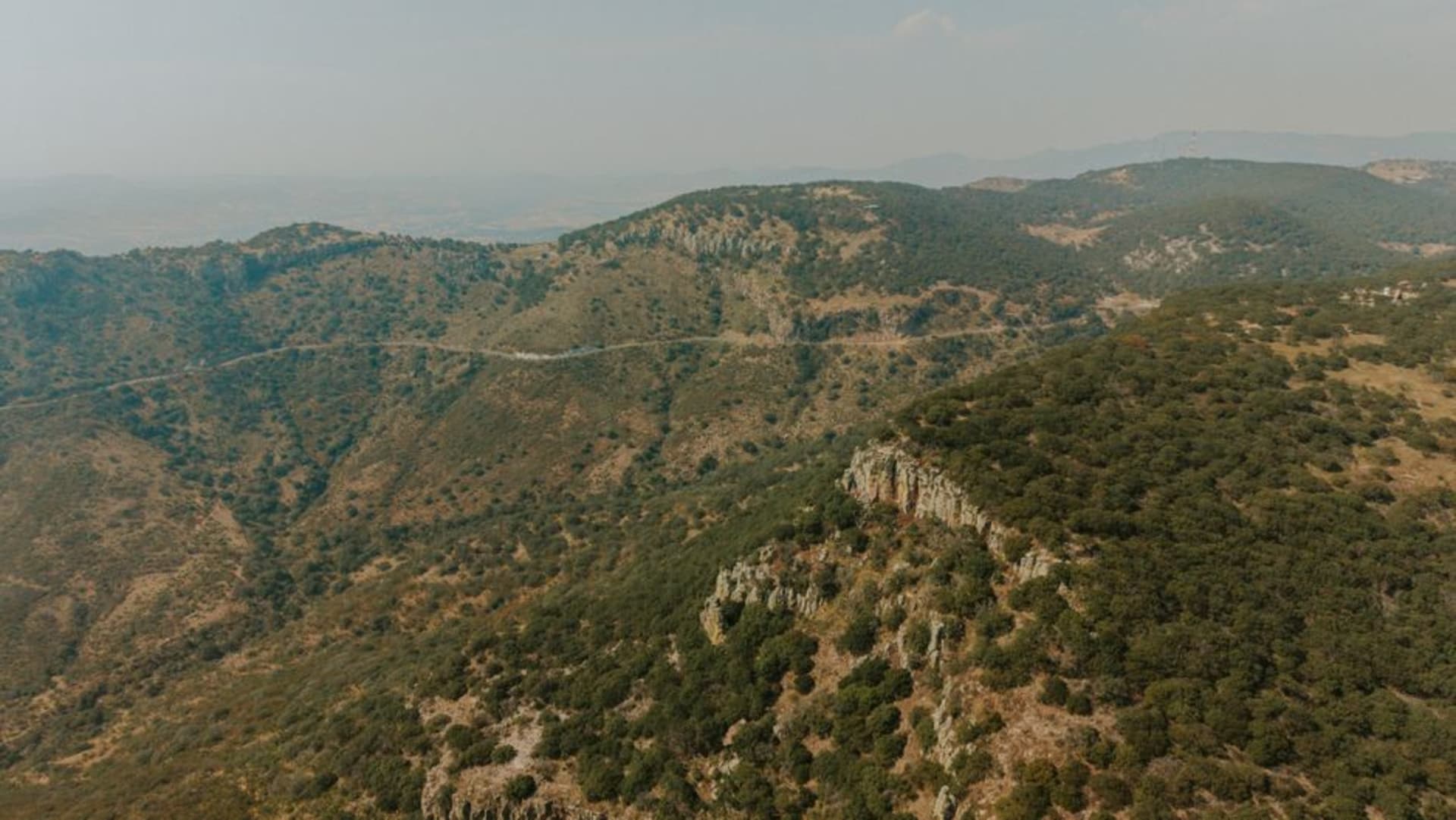
Guanaceví
"I counted four other visitors in Guanaceví and two of them were lost — this kind of isolation is increasingly rare in Mexico and should probably be savored before it is not."
The road from Durango city loses confidence gradually — four lanes narrow to two, the two-lane develops unpaved stretches, and by the time Guanaceví’s stone church appears on the horizon you’ve been driving the better part of a day through terrain that doesn’t accommodate distraction. I arrived on a Thursday in March, parked beside a horse tied to a rusted ring outside the presidencia municipal, and spent a long moment just listening. Wind, a distant bell, the horse’s breathing. The woman at my guesthouse had said “come whenever” over the phone and meant it. Guanaceví does not operate on a tight schedule, and this turns out to be one of its more estimable qualities.
A Town the Boom Forgot to Erase
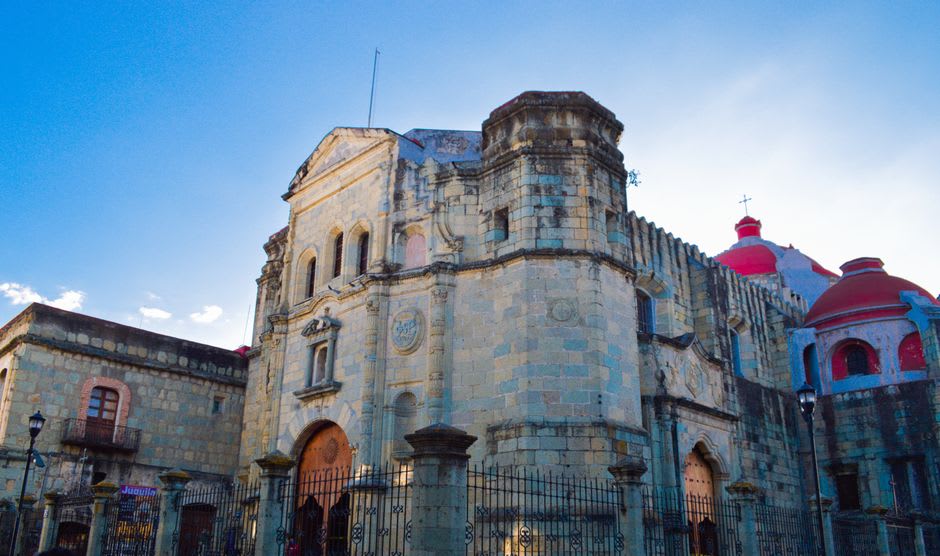
The 18th century was very good to Guanaceví. Silver money poured out of the surrounding hills and into stone — the parroquia, the administrative buildings framing the plaza, the proportioned facades that line the main streets and have been neither renovated nor demolished in the two hundred years since the ore ran thin. What you get, walking the three or four streets that constitute the center, is a mining town that declined slowly enough to preserve everything and quickly enough to never attract the restoration budgets that elsewhere produce heritage tourism districts. The Parroquia de Nuestra Señora de la Candelaria faces the plaza at an angle that catches afternoon light well; I spent an hour there on a Sunday watching the same dozen parishioners arrive and leave in rotation. The bells ring on the half hour and carry across the entire town without effort. There is no competing noise to negotiate with.
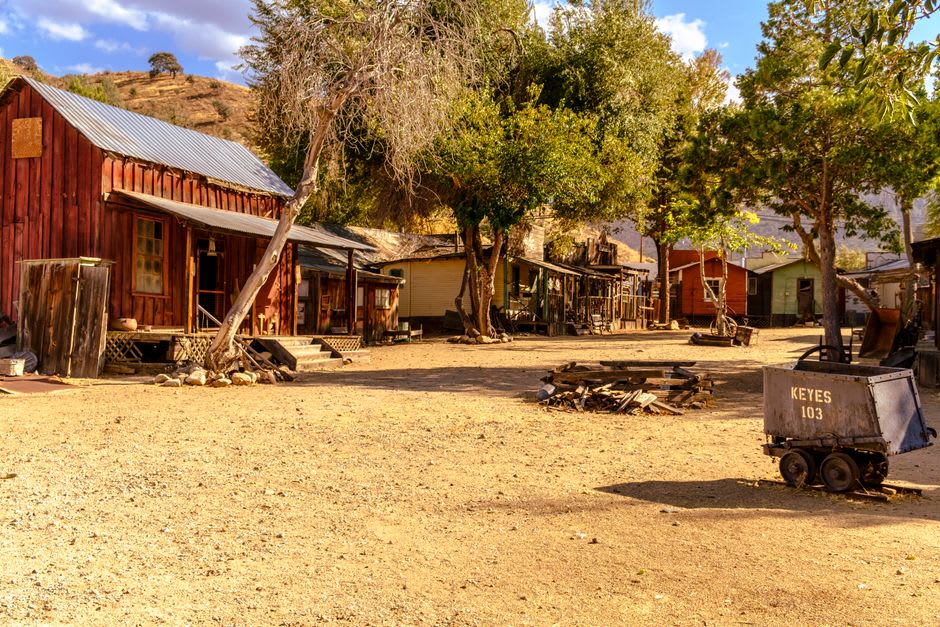
What Gets Cooked at This Altitude
Northern Durango eats simply and with conviction. In Guanaceví that means caldo de res in the mornings at the two or three small comedores that open early enough to be useful, asado de puerco on weekends when someone’s made it, and flour tortillas — this is firmly north-of-the-country territory, not corn tortilla land, a fact that catches visitors arriving from central Mexico off guard. There’s a Saturday market off the main plaza where you can find sierra cheese and dried chiles I didn’t recognize; I asked the vendor about one and she gave me a name I wrote down and subsequently lost. The coffee situation is what you’d expect for a town this remote at this elevation: instant, served hot, and nobody is apologetic about it. I brought my own from Puerto Escondido and kept that information to myself.
How the Days Work Here
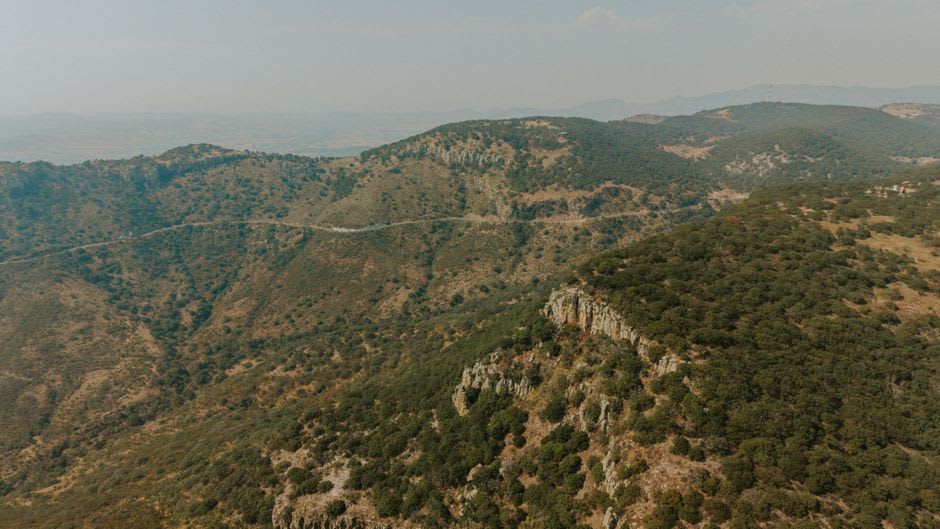
The productive approach to Guanaceví is to do very little deliberately. Walk to the end of the main street and back in the early morning before the wind picks up. Visit the church. Have the caldo. There is a mirador above town — ask at your guesthouse; the directions will involve a left at a blue door and then uphill — that gives you the full shape of the valley and the sierra behind it. Bring something to read for the afternoons when nothing is open and the light is flat. On a Sunday, the plaza has a loose and unhurried quality that reads as genuinely different from the organized leisure of central Mexico. The guesthouses are family-run and require a call ahead; the name Casa Juárez came up twice independently when I asked around, which in a town this size counts as a strong endorsement.
Getting There
From Durango city, take Federal Highway 40 east then north toward Tepehuanes; Guanaceví is an hour or more beyond that on narrowing roads that require full attention. Budget six to seven hours total from Durango. There is no bus service that runs the full route — a personal vehicle is the practical option. Call your guesthouse before you leave the city; same-day walk-ins work in theory and are unreliable in practice.