Tecomán
"The lime groves stretch to the horizon and the ceviche here is the most honest I have eaten in Mexico."
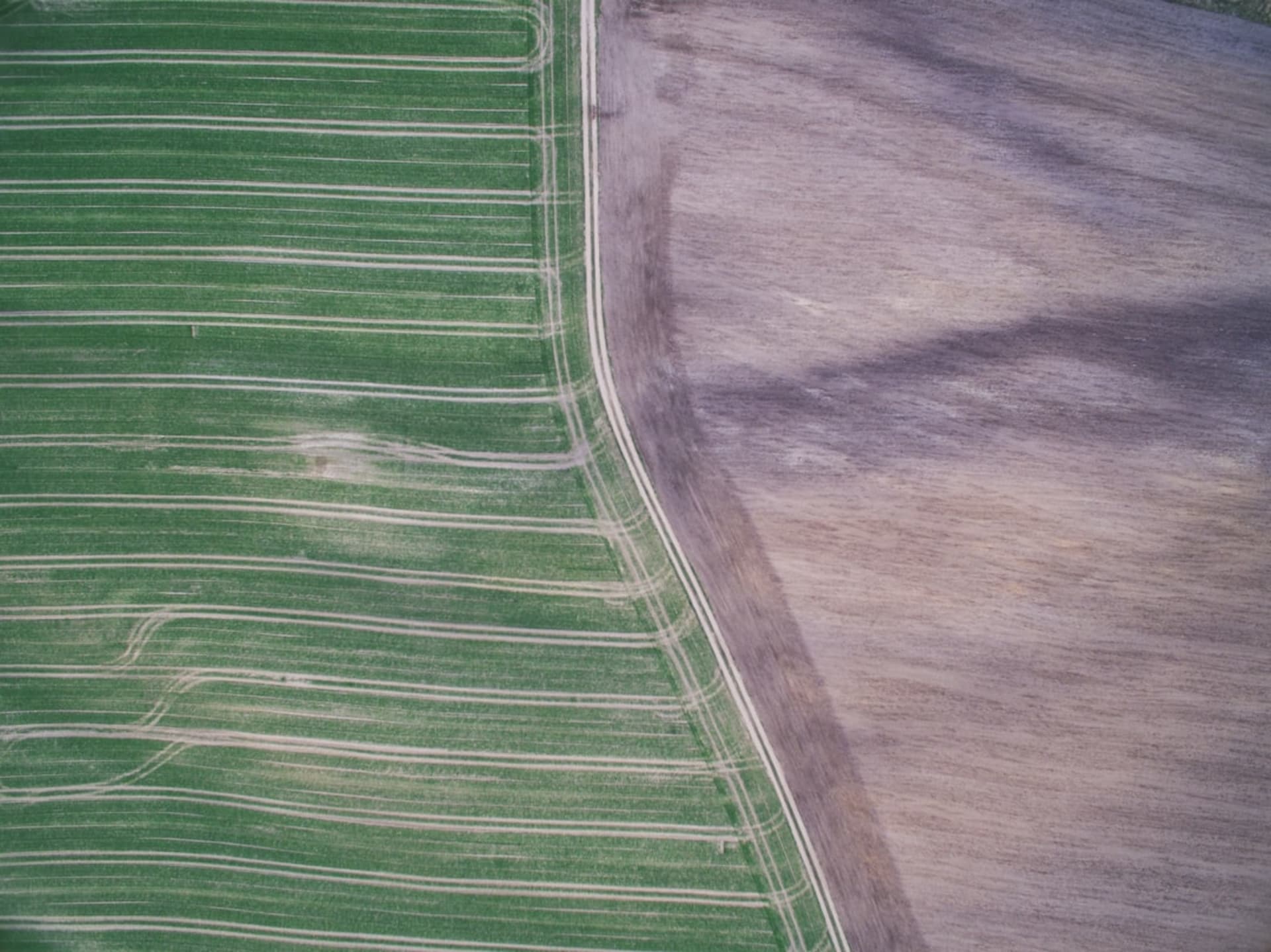
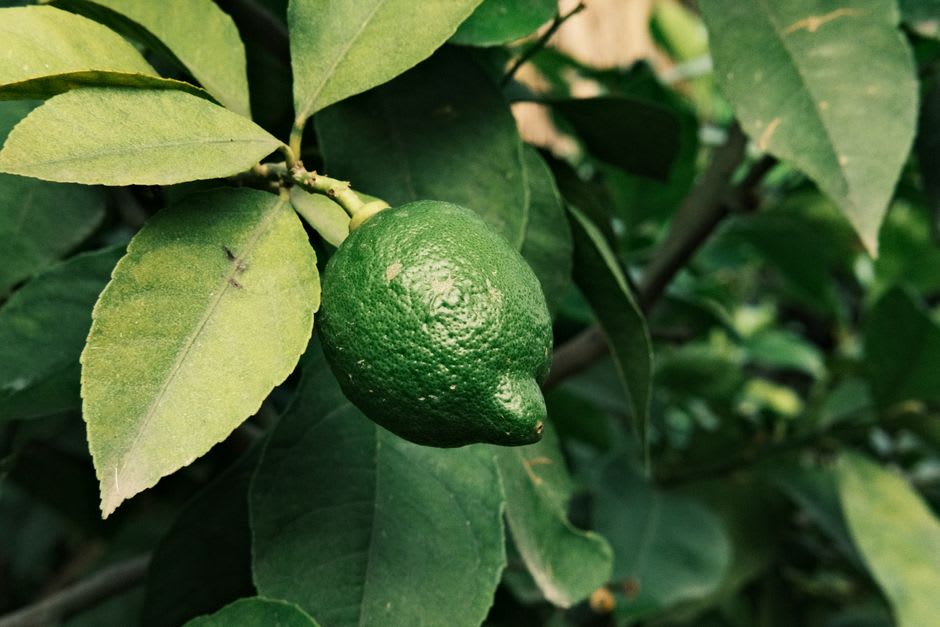
I pulled off the highway on a Thursday afternoon because the air coming through the vents smelled inexplicably of lime zest. That is not a metaphor. Tecomán produces something in the range of a third of the world’s Persian limes, and when the groves are being harvested you can smell it from the road — a clean, sharp perfume that has nothing to do with anything bottled. I had not planned to stop. Two hours later I was eating tostadas de ceviche at a plastic table on Calle Álvaro Obregón and reconsidering my entire itinerary.
The Ceviche and the Aguachile
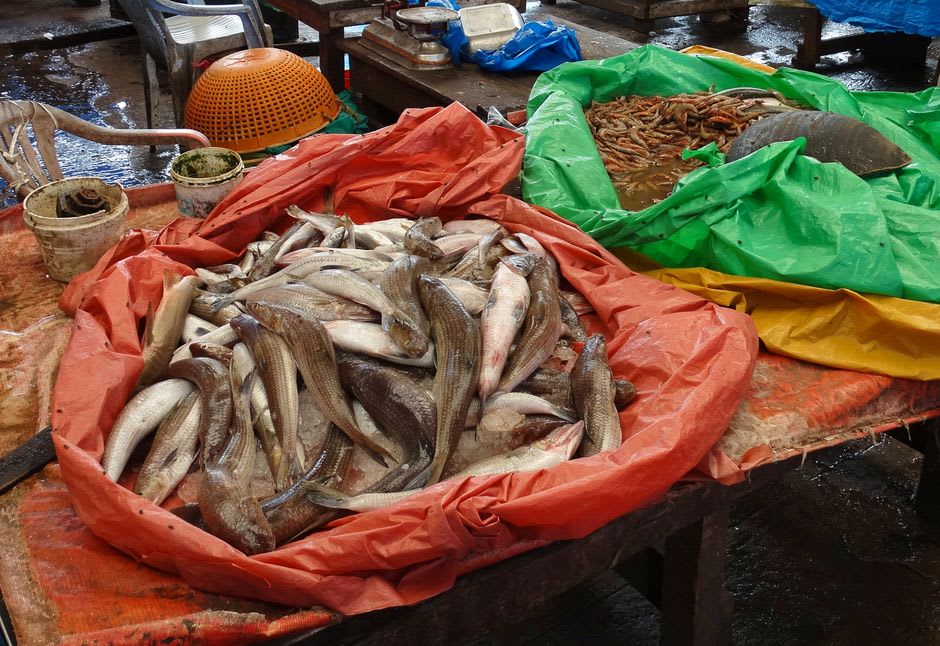
The seafood situation in Tecomán is quietly extraordinary, which I say as someone who has eaten his way through the Oaxacan coast for three years. The city sits close enough to the Pacific that the fish arrives same-morning fresh, and the cooks here use lime the way the rest of Mexico uses salt — not as an accent but as the whole point. At Mariscos El Güero, a palapa operation just off the central boulevard, the ceviche de sierra comes undressed, the fish cured in straight lime juice with nothing more than onion, chile serrano, and cilantro. No avocado, no mango, no innovation. Along the carretera that runs south toward the coast, roadside aguachile stands set up by mid-morning and are largely sold out by one. The shrimp are butterflied raw, the chile sauce is violent, and the lime is from a grove you can probably see from where you are sitting.
Mercado Morelos and the Citrus Economy
The Mercado Morelos in the center of town is not a tourist market. There are no amber-lit artisanal stalls selling hand-painted tiles. It is a working market that smells of raw poultry and overripe fruit and the particular mineral dampness of concrete that has been hosed down since before sunrise. The lime vendors occupy an entire wing, stacked in wooden crates, priced by the kilo for buyers who are buying by the truckload. I bought a bag for twelve pesos and ate them like oranges, standing next to a juice stand run by a woman who looked at me with patient bewilderment. The jamaica she pressed — hibiscus steeped cold with a half-lime squeezed in — was one of the better drinks I have had this year, and I have been paying attention.
The Town Itself
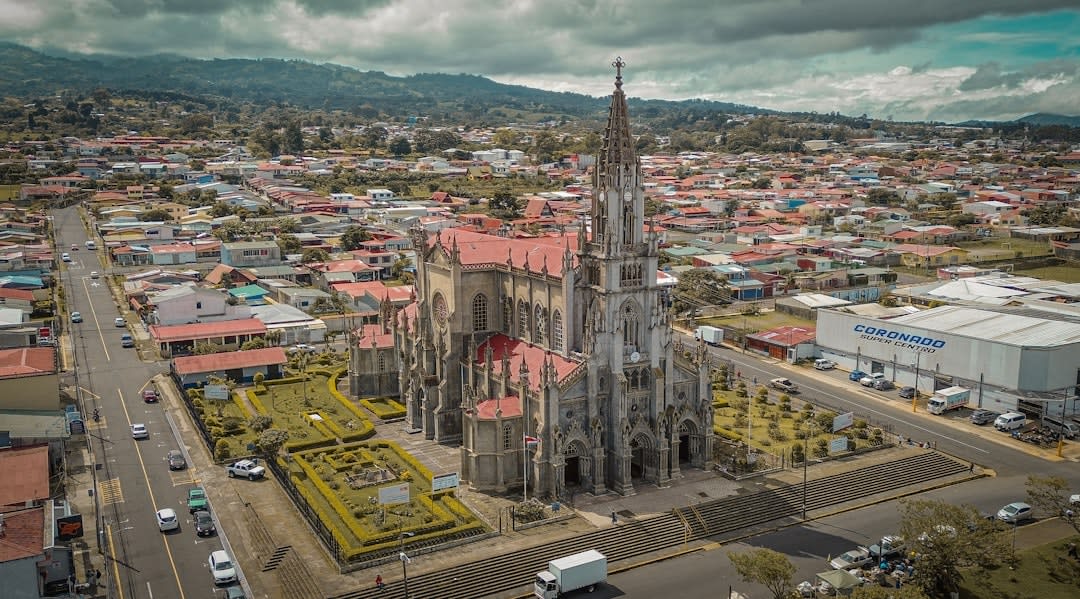
Tecomán is a functional Mexican city, not a pretty one. The main plaza, Jardín Principal, has the requisite kiosk and the requisite pigeons and a church, the Parroquia de la Inmaculada Concepción, that is handsome without being remarkable. What the town has instead of beauty is texture — the kind that comes from a place organized entirely around work rather than presentation. In the evenings, families walk the boulevard and eat nieves de garrafa from a cart near the corner of Morelos and Constitución. The flavors are lime, tamarind, and guanábana. Of course they are.
Getting There
Tecomán sits on Federal Highway 200 about 70 kilometers southwest of Colima city — roughly an hour by car or by one of the frequent ADO or Flecha Amarilla buses that run the coastal corridor. From Manzanillo it is closer still, around 45 minutes north. There is no reason the bus stations will be labeled clearly. Ask.