Minatitlán
"The moment the road climbs out of the lowlands and the mist closes around you, you understand that Colima has been hiding its strangest corner at the top all along."
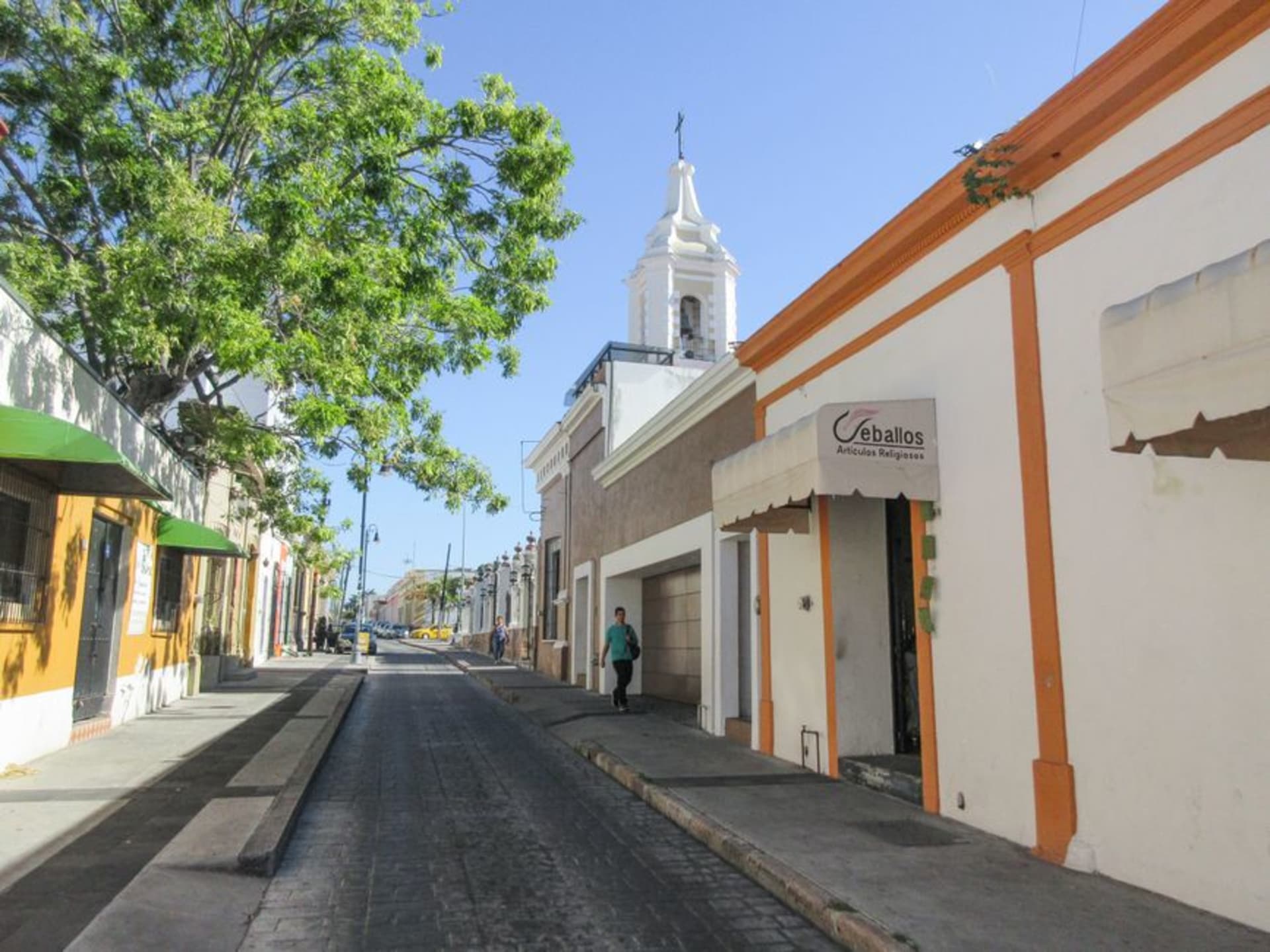
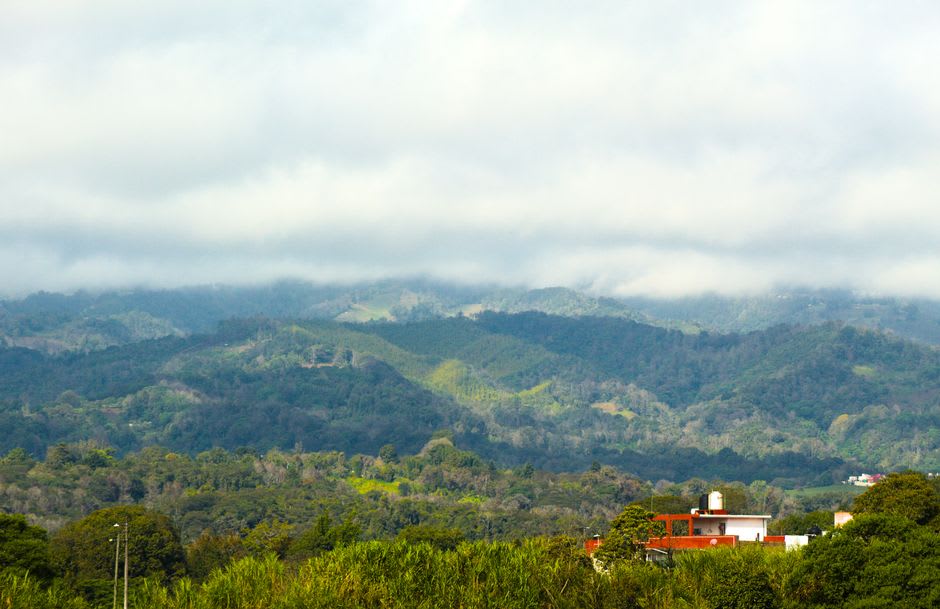
I drove up from Colima city on a Tuesday in March, expecting to pass through quickly. The road climbs in lurches — switchbacks cutting through dry scrub that dissolves, without warning, into oak and cloud forest. By the time I reached the plaza in Minatitlán, the temperature had dropped twelve degrees and a low fog had settled into the valley below like a lid. On the steps of the presidencia, a man in a wool jacket was eating a torta and watching me park with the mild curiosity of someone who doesn’t see many visitors coming up from the south. He was right to be curious.
The Forest That Rewired Civilisation
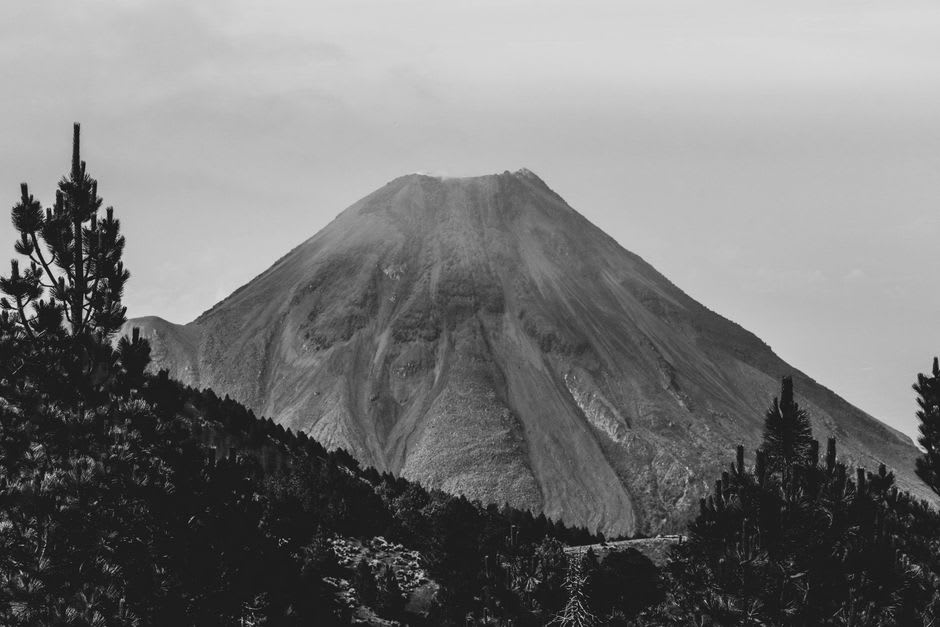
The Sierra de Manantlán Biosphere Reserve begins a short drive above town, and it is genuinely strange to stand in it knowing what it contains. Zea diploperennis — teocintle, the perennial wild ancestor of all cultivated maize — was found growing in these hills in 1979 by a botany student named Rafael Guzmán, a discovery that sent the scientific world into something approaching alarm. If cultivated maize had a single living wild relative, and it was here, then here needed protecting immediately. The UNESCO biosphere reserve followed. The plant that transformed human settlement, that made cities possible, that fed revolutions — it still grows in these hills, unremarkably, in the fog.
Trails start just outside town. There are no entry fees, no permit booths, rarely any other hikers. The reserve straddles the Jalisco border and most visitors approach from that side; coming up from the Colima lowlands puts you in a quieter entry corridor entirely. On the morning I went in, I heard woodpeckers and saw nothing else with a heartbeat for two hours.
The Market, and Everything After
The Minatitlán market sits on the south side of the plaza and operates the way small mountain markets do: fully open by nine, mostly finished by noon. I arrived at half past eight and found two women selling produce from the Sierra — wild mushrooms, quelites, bundles of herbs I couldn’t name precisely — alongside the usual tomatoes and dried chiles. One of them had quelite de venado that I’d never seen sold anywhere in Oaxaca; I bought a bunch for no clear reason and carried it around all morning.
Lunch was at a fondita with no sign, only a handwritten menu taped to the doorframe: caldo de res, enfrijoladas, arroz with fideos folded in. The woman who served me brought extra salsa before I asked. The altitude makes you hungrier than you expect. I ate two portions of rice and felt entirely vindicated. The whole meal cost sixty pesos. Nobody in the place seemed to think anything of that.
Going In
Getting to the reserve trailheads means navigating a few kilometres of unpaved road north of town — passable in a standard car through dry season, less certain after rain. I went in dry conditions and still found the forest floor glistening. The best hours are early: the fog lifts most days by mid-morning, and with it goes some of the quality that makes the place worth coming for. Bring a jacket regardless of what the forecast says. Cell service disappears quickly and doesn’t come back.
I found a clearing where teocintle was marked with a small wooden sign, handmade, slightly crooked. Someone had cared enough to put it there. I stood in front of it for longer than made practical sense, thinking about all the things that had to go right for this plant to still be alive and findable.
Getting There
Minatitlán is roughly 90 kilometres north of Colima city — around two hours by car on Mexico 110. There is no reliable direct bus; the practical route involves a second-class bus toward Manzanillo or Guadalajara and a junction change, which adds time and uncertainty. A rental car from Colima makes the logistics far simpler. Dry season — November through April — is the only sensible window. The rainy months close the unpaved access roads entirely.