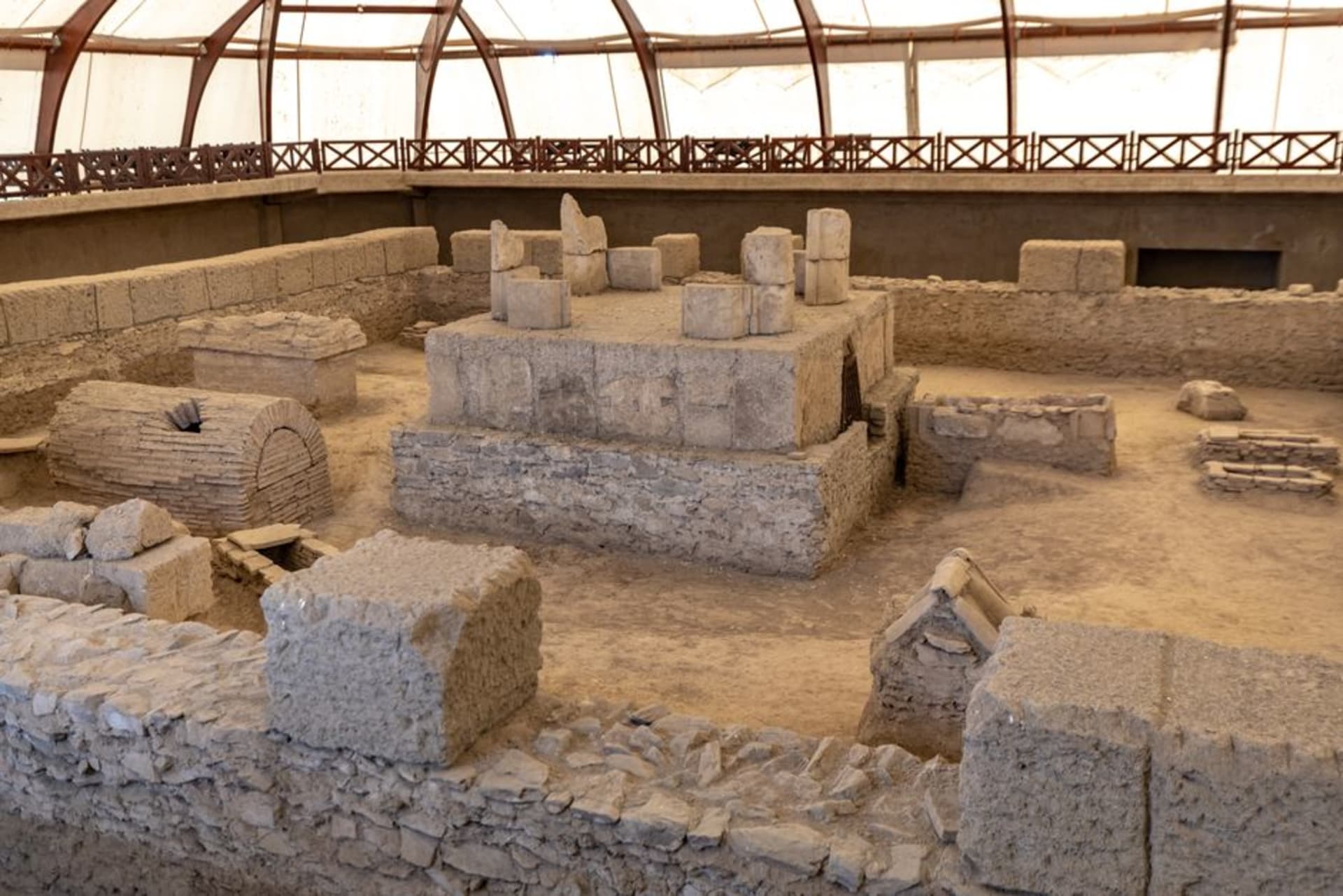
La Campana
"I climbed the tallest platform at dusk and the volcano appeared perfectly framed between two hills, and I thought: of course they built their world here."
The taxi driver asked me twice if I was sure about the address. La Campana sits barely four kilometers from Colima’s central plaza, wedged between a residential neighborhood and a stretch of road that smells of someone’s lunch, and the driver clearly expected something more dramatic at the end of it. The entrance fee is sixty pesos. The guard looked mildly surprised to see me. I signed the visitor register and noticed the previous entry was three days old. This is, I kept thinking, one of the most significant pre-Columbian sites in western Mexico.
What the Dead Carried
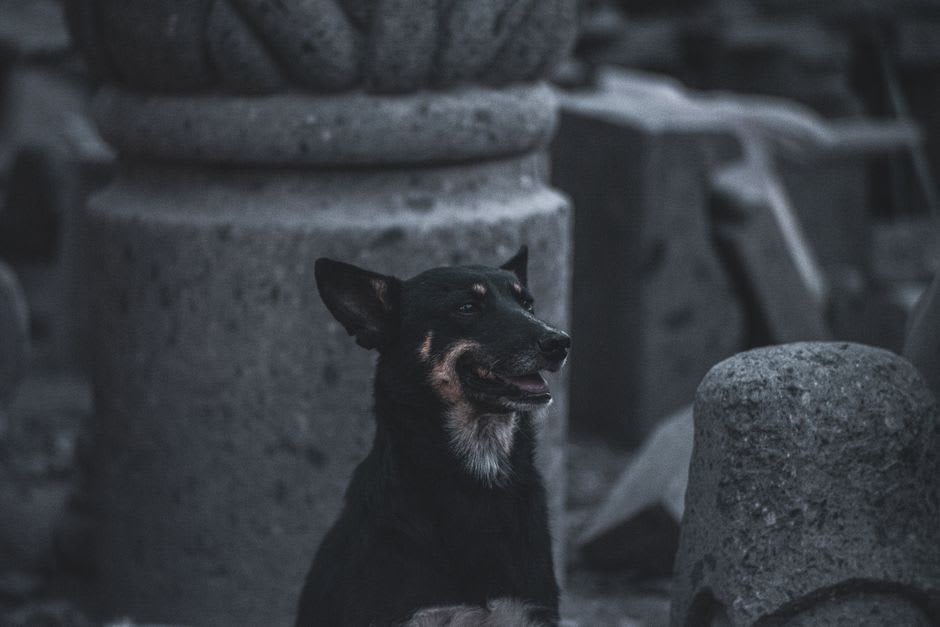
The ceramic dogs that end up in every regional museum — Guadalajara’s, Mexico City’s, the small one on Colima’s Avenida Rey Coliman — all came from shaft tombs like the ones beneath La Campana. The culture that built this site between roughly 200 BCE and 700 CE buried their dead at the bottom of narrow vertical shafts, sometimes six or seven meters deep, then sealed the chambers with stone. They buried them with food, with tools, and with figures of dogs — the Xoloitzcuintli, the hairless breed still living in Mexico — because dogs were believed to guide souls through the nine levels of Mictlán. Standing above that ground, this is not an abstraction. Most of the shafts remain sealed beneath your feet. Every step crosses something buried with intention. I’ve been to Teotihuacán and Palenque and Monte Albán. La Campana does something different to you, and I think it’s the absence of a crowd to absorb the sensation.
The Platform and the Volcano
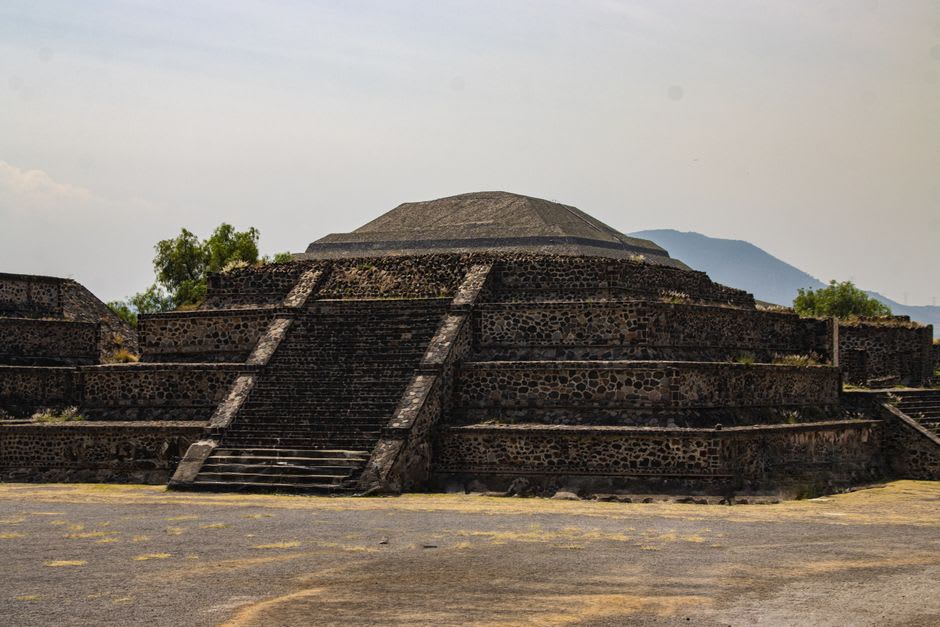
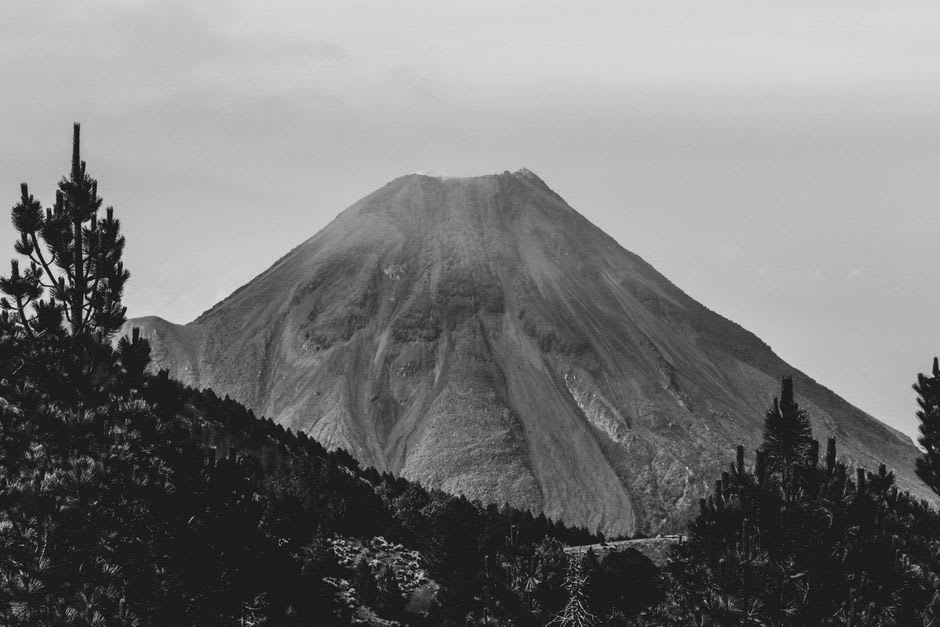
At the top of the main pyramid — twelve meters, roughly — I understood why the people who built this chose here. The Volcán de Fuego sits to the north, perfectly framed by two ridgelines, and at dusk the light comes in at the kind of angle that makes it clear the placement was not accidental. The principal platform faces west. The relationships between structures, sight lines, and the mountain have been studied and are not coincidental. I climbed up at around five in the afternoon, which I recommend. The few tour groups that come out from Colima tend to arrive mid-morning, and by late afternoon the site belongs to you and the guard somewhere below reading something on his phone and the volcano going pink in the distance. There are iguanas on the lower retaining walls. A woman walked her dog along the perimeter path and didn’t glance at the pyramids once.
The Right Order for the Day
Colima city is twenty minutes by taxi. The market on Calle Madero has birria and buche for under eighty pesos if you arrive before noon. The sequence that made sense to me: breakfast in the market, then the Museo de las Culturas de Occidente to see the ceramics in context, then La Campana in the late afternoon when the light is right. The museum gives you the dogs, the acrobats, the seated figures — and the site gives you the ground those objects came from. In that order, the earth means something. Without it, La Campana risks feeling like a minor ruin beside a highway, which is not what it is.
Getting There
Colima city is the nearest hub, with bus connections to Guadalajara and Manzanillo. La Campana is four kilometers from the central plaza — a taxi runs sixty to eighty pesos, ten minutes. No reliable bus stops at the entrance. The site is open Tuesday through Sunday, nine to five. The dry season (November through April) is preferable; the rainy months make the paths slick and visibility toward the volcano poor. Bring water — nothing is sold on site.