
Cuyutlán
"Standing at the edge of the black sand watching the phosphorescent surf in the dark — that is the kind of thing you do not forget."
I came to Cuyutlán on a Tuesday in late July, which might be the most honest way to see it — no weekend crowds, just the town being entirely itself. A fisherman was mending nets on the muelle. Two dogs slept in a doorway on Calle Veracruz. The lagoon on one side, the black-sand Pacific on the other, and somewhere between them a village that seems to have reached a quiet agreement with time: it stopped, and nobody filed a complaint. I was glad I came.
The Black Sand and the Green Wave
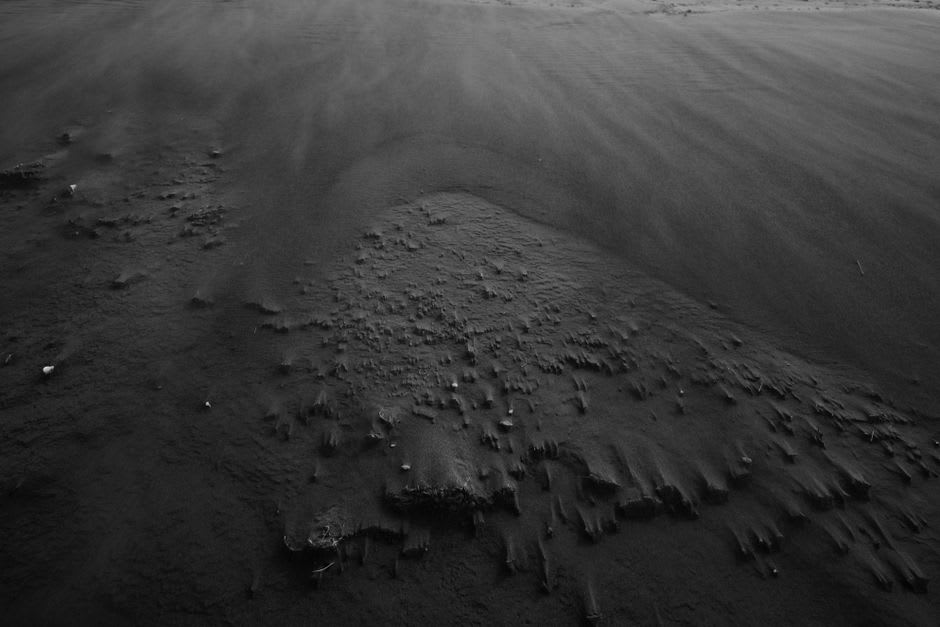
The sand is genuinely black — dark as iron filings, volcanic in origin, and by eleven in the morning it will scorch through the soles of your sandals. I arrived at the beach early, just past seven, when the color was still wet-dark and the low sun threw long shadows behind every footprint. It is one of the stranger visual experiences on Mexico’s Pacific coast: the water is the same greenish-grey you find everywhere along this stretch, but against that dark shore it reads almost theatrical, like a deliberate set.
The real event, though, is the Ola Verde. From roughly July through November, bioluminescent plankton — Noctiluca scintillans, for those keeping notes — concentrates in the surf. When waves break after dark, they flash a cold phosphorescent green along the crest. I walked down to the beach at nine-thirty on my second night, no torch, waited for my eyes to adjust, and then stood there longer than I planned. You can’t photograph it properly; every long exposure blurs the wave and loses the light. Some things are just for standing in front of.
The Lagoon Side of Town
The lagoon — Laguna de Cuyutlán — runs behind the village and is a completely different register from the beach. Calm, brackish, lined with mangroves. A handful of lanchas still go out at dawn. In the late afternoon the light on the water turns syrupy and gold, and the pelicans come in low. I ate lunch at a small comedor near the embarcadero — no sign I could find, just a woman cooking arroz con mariscos over gas and a hand-painted menu on the wall listing tostadas de pulpo and caldo de camarón. I ordered both. The caldo was heavy with dried chile and tasted like someone had been perfecting it for a long time.

The Town Itself
Cuyutlán is not performing for anyone. The main street has a few tiendas, a couple of seafood restaurants with plastic chairs, and a salt museum — the town produced sea salt commercially for decades — that is worth twenty minutes and a donation. There is a Hotel Fenix that feels like it was last renovated when the Fenix name still meant something, and I mean that warmly. The church on the plaza is modest and white. In the evening, families walk around the square and vendors sell elotes preparados. Nothing is optimized. That is the point.
Getting There
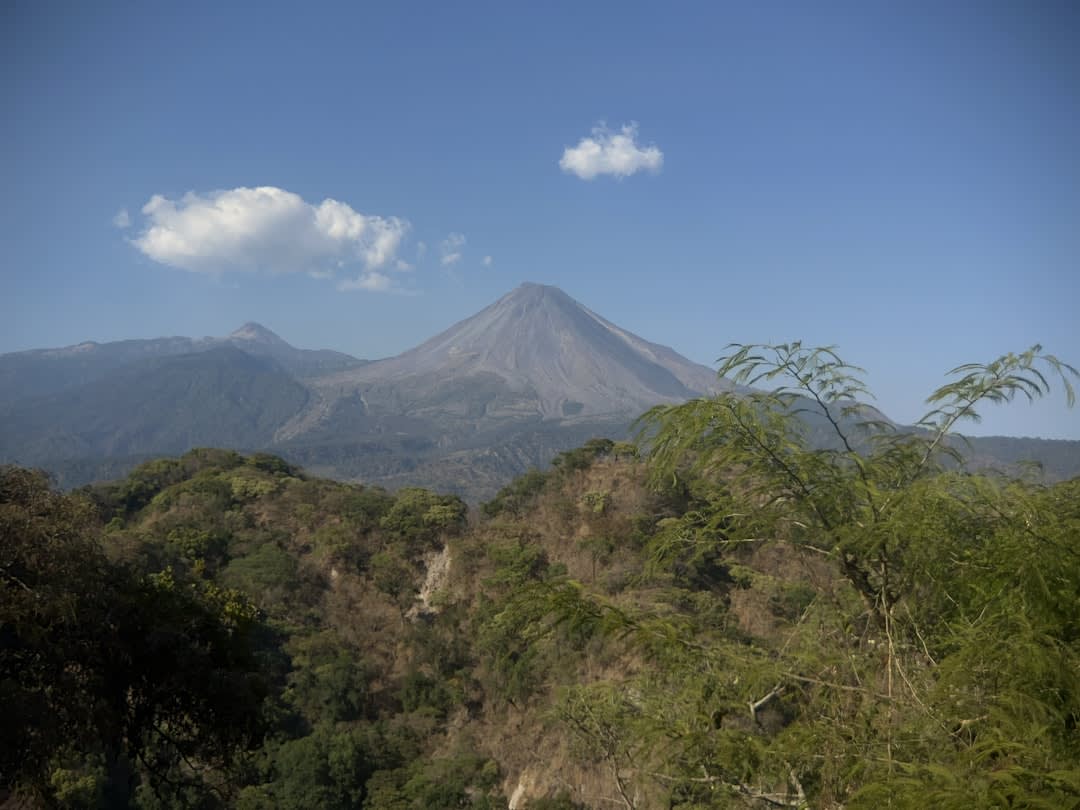
From Manzanillo, Cuyutlán is about 45 minutes by car heading northeast on the libre road through Tecomán. Colectivos also run from Manzanillo’s central bus station toward Armería, where you can pick up a local connection. There is no airport, no train, no shortcut — which is partially why the village still feels like the village.