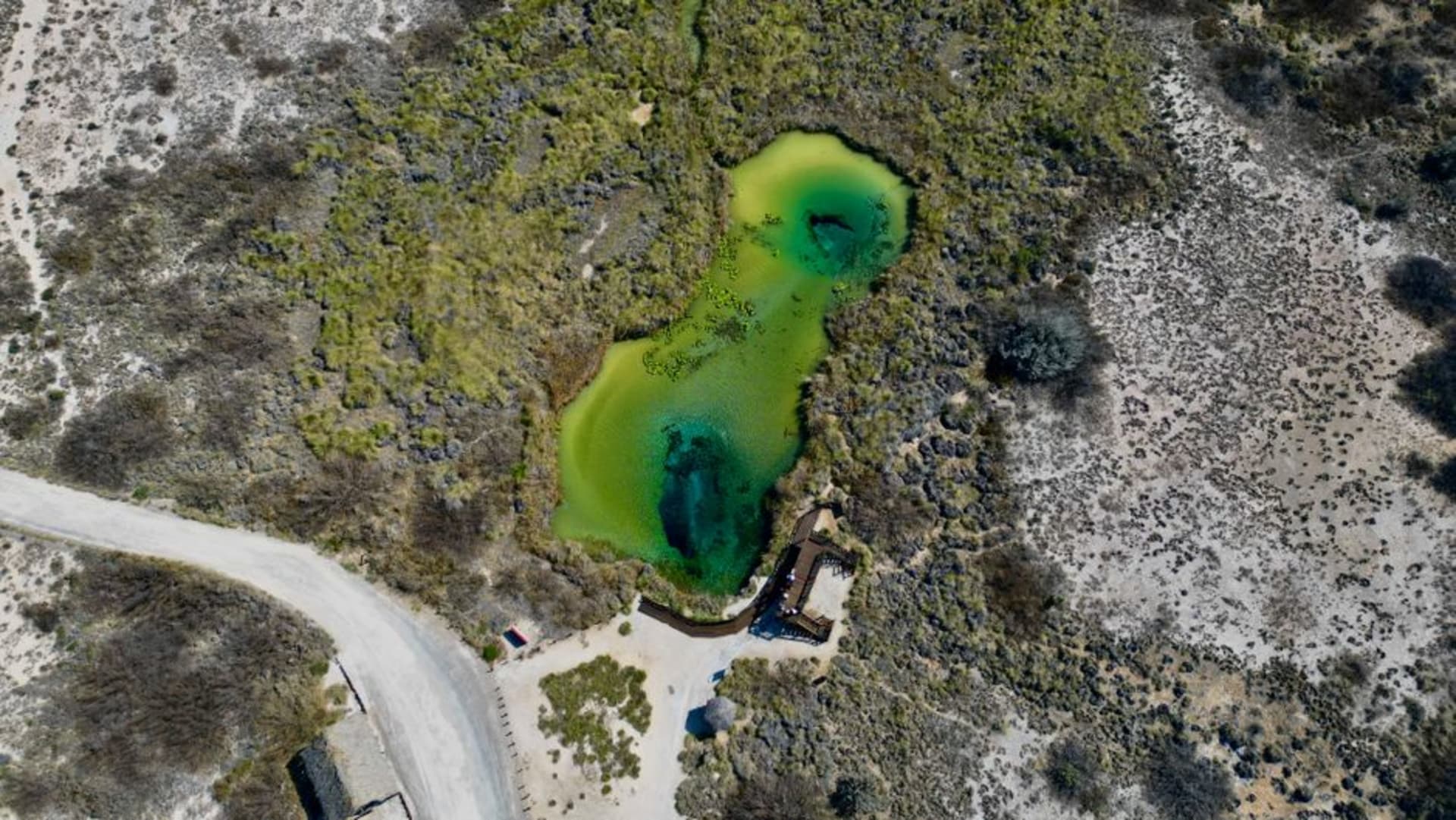
Monclova
"A steel town with thousand-year-old mummies in a cave nearby — northern Mexico keeps producing this kind of combination, and I keep being caught off guard by it."
The smokestacks of AHMSA appear before anything else — long before the highway signs, before the outskirts, before whatever modest skyline Monclova assembles on the horizon. I arrived on a bus from Monterrey on a Tuesday afternoon and the air carried something metallic even at distance. This is Mexico’s steel capital, and it doesn’t hide that fact. What nobody mentioned during the two and a half hours before the terminal was that twenty minutes outside this city, in a dry limestone cave above the Coahuilan desert, around two hundred pre-Hispanic bodies have been resting undisturbed for roughly a thousand years — still dressed in their original textiles. Some things take a moment to land.
The Dead Who Kept Their Clothes
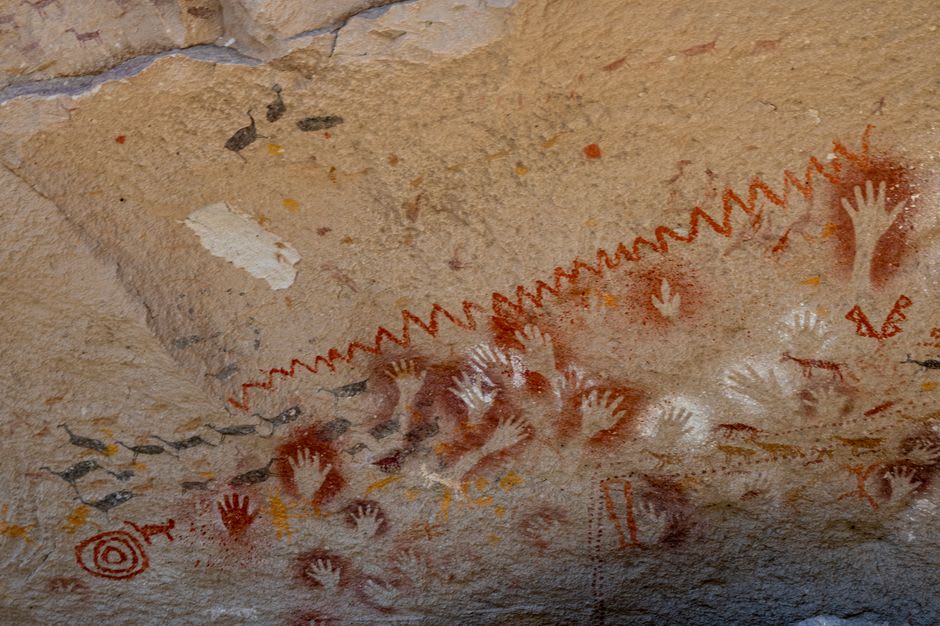
The Cueva de la Candelaria is not easy to find on your own the first time. It sits in the sierra outside town, accessible by a road that gets increasingly unpaved, and the site itself is managed with a straightforward modesty — no dramatic entranceway, no theatrical lighting, no gift shop visible from the parking area. What’s inside is another matter entirely. The natural mummification happened because of the cave’s extreme aridity, and the result is extraordinary: the bodies are intact, and crucially, their clothing survived with them. Agave fiber sandals. Woven cloth. Braided hair. The collections span roughly the 900s to 1400s CE, and what strikes you most is not the preservation itself — remarkable as that is — but the intimacy of it. These were ordinary objects from ordinary lives. The fact that they endured here while steel furnaces were eventually built a few kilometers away has a specific kind of strangeness that the desert light only sharpens.
What You Eat in a Steel Town
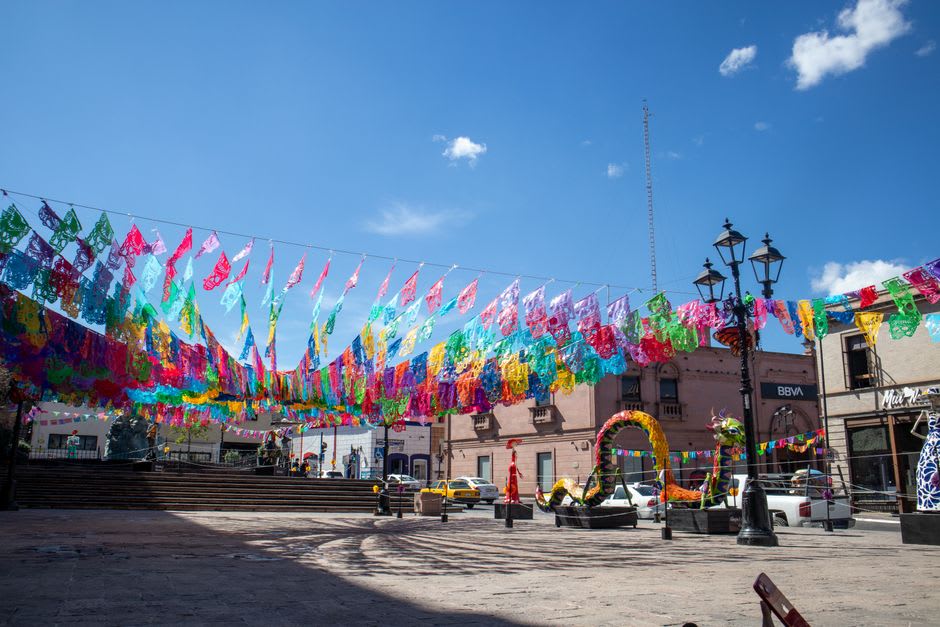
Northern Coahuila feeds people who work hard, and the food reflects that without apology. In Monclova I ate machaca con huevo at a counter place near the bus terminal — shredded dried beef rehydrated and scrambled, served with flour tortillas the size of a plate and a salsa that was almost entirely chile de árbol. Later, I had cabrito at a place on the eastern edge of the Parque Villarreal: roasted baby goat, the skin just crisp enough, with frijoles charros ladled from a clay pot. Nobody called it artisanal. The Plaza de Armas has the usual coffee options now, the kind that have appeared in every Mexican city since about 2018, but the market stalls selling pan dulce and atole in the early morning are still doing more business than any of them. The city eats breakfast early and means it.
How to Use Your Time Here
Most people who end up in Monclova are passing through on their way to somewhere else — Saltillo, Torreón, the border — and that is a reasonable thing to do. But if you are coming specifically for the Candelaria, allow a full morning for the cave and plan to eat well in the city afterward. The Museo Regional de Historia de Coahuila in the city center is worth an hour before the cave visit — it puts the pre-Hispanic cultures of the region in sequence, which helps when you are standing in front of a thousand-year-old sandal trying to place it. I stayed one night, which felt exactly right. The city has nothing against you; it is simply not performing for anyone.
Getting There
Frequent buses connect Monclova to Monterrey (around 2.5 hours) and Saltillo (roughly 2 hours) via Ómnibus de México and Noreste lines. The Terminal de Autobuses is central enough that the city is reachable on foot or by taxi from there. The nearest airport with meaningful connections is General Mariano Escobedo in Monterrey.