Urique
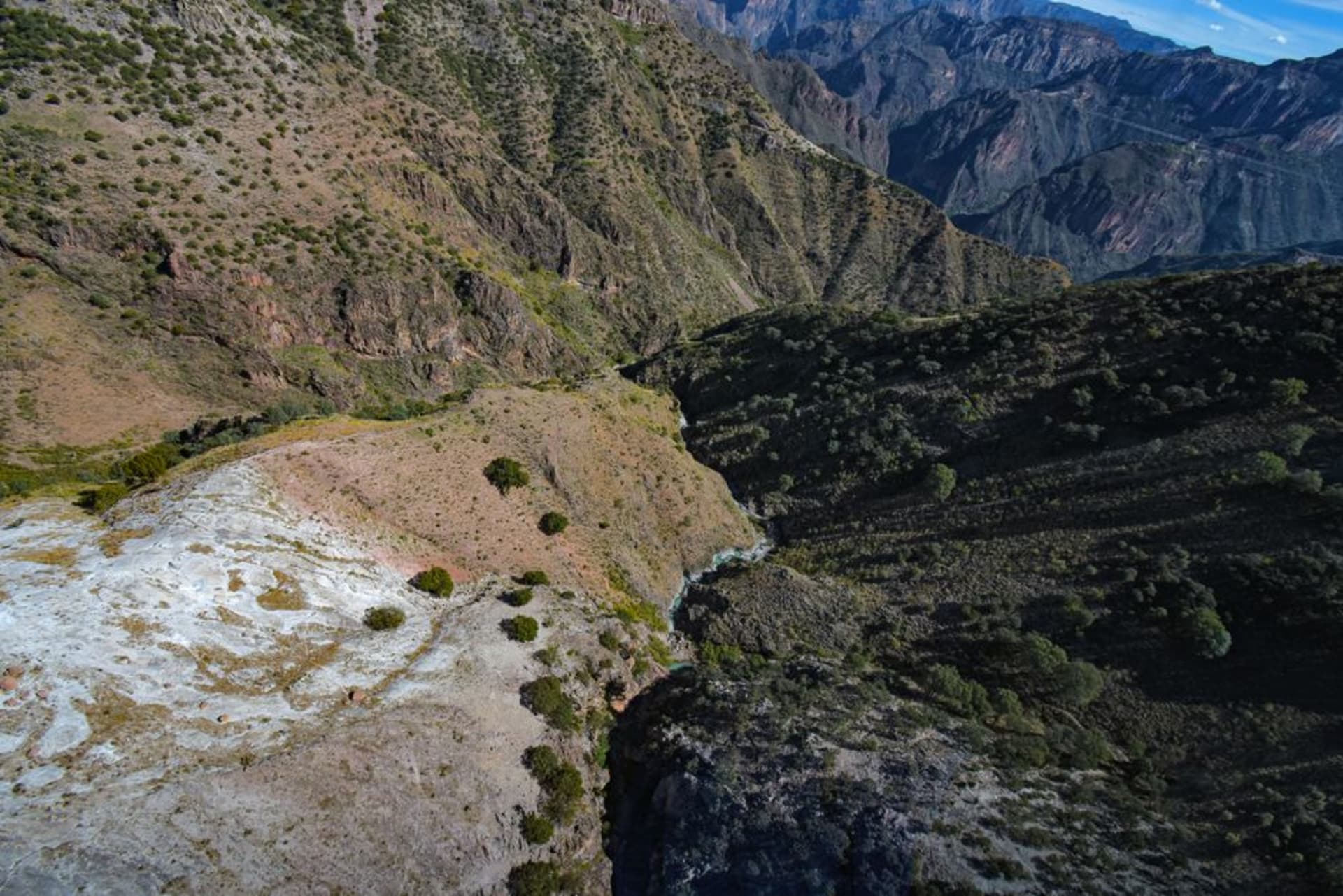
"You spend two hours descending a road that drops a vertical kilometer, and when you finally reach the bottom, the canyon walls close in from every direction and the heat hits like something solid — it is not dramatic scenery anymore, it is a different planet."
The descent into Urique is not a metaphor for anything. It is simply a road that drops a vertical kilometer in two hours of switchbacks cut into canyon walls that grow taller and closer the deeper you go, until the sky is just a stripe of blue overhead and the heat below is a physical pressure against the windshield. I arrived late morning, which I later understood was a mistake — by eleven the temperature on the canyon floor was already past forty degrees and the only shade was inside the Hotel Cañón del Cobre, where the ceiling fan worked intermittently and nobody seemed bothered by this.
A Kilometer Below the Rim
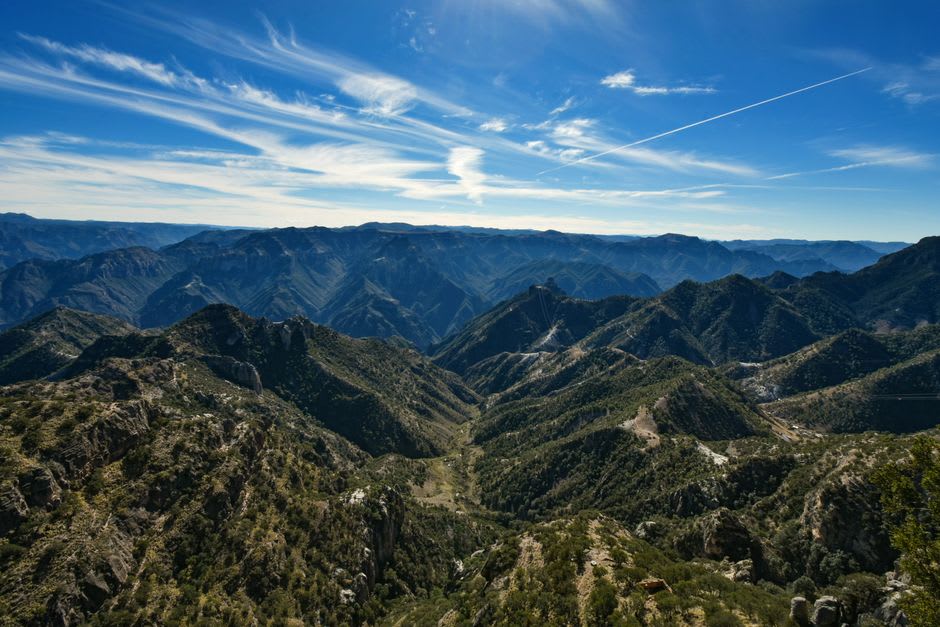
The Urique Canyon is technically deeper than the Grand Canyon. I write “technically” not to hedge the fact but because the comparison is somewhat beside the point — the Grand Canyon is wide and panoramic and designed, in some cultural sense, to be looked at. Urique is not. It closes around you. The walls are not backdrop; they are the entire visible world once you reach the bottom, and what they produce is not awe exactly but a quieter sensation of being very small and very far from anything that could help you quickly if something went wrong.
I drove down alone in a rented truck and spent the last forty minutes in first gear with the parking brake ready. There is one section, about two-thirds of the way down, where the road narrows to a single lane and the drop on the right side has no guardrail for perhaps five hundred meters. I stopped the truck there and sat for a moment. The canyon does not offer reassurance. It simply continues, indifferent and enormous, and eventually you reach the bottom and the road flattens and the Urique River appears, pale green against the brown rock, and you realize the descent is over and now you are simply inside it.
What the Book Didn’t Say
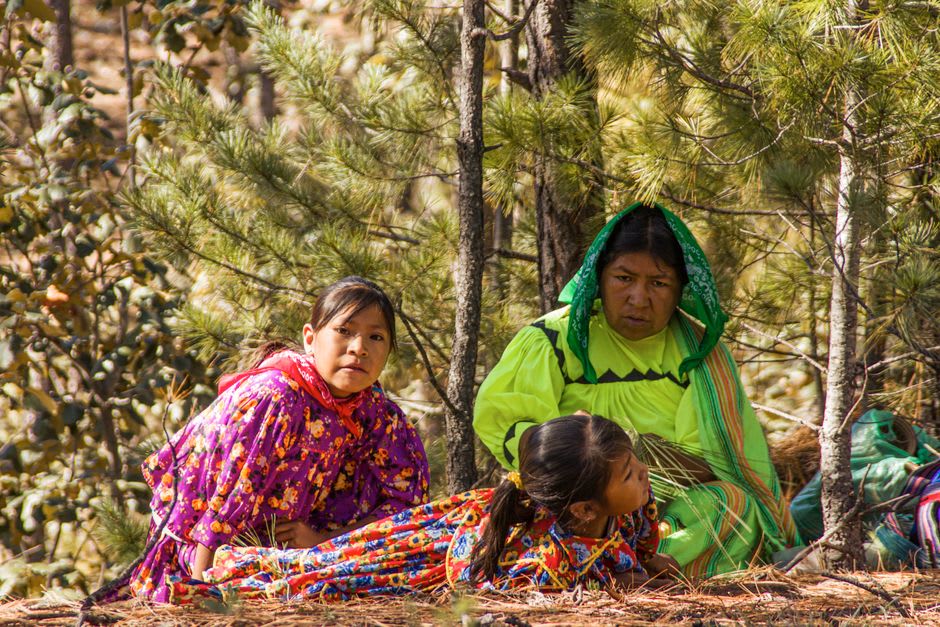
Christopher McDougall’s Born to Run brought people to Urique, and the people who came expecting a romantic encounter with Rarámuri ultrarunners found something more complicated and more interesting — a community that has been running these canyons for centuries not as sport but as logistics, as communication, as something closer to spiritual practice, and that regards outside interest with a polite and unmistakable reserve. The Rarámuri women selling artesanía near the plaza do not particularly want to discuss the book. The men I saw running through town at five in the morning — past the tienda on the main street, down toward the river crossing, in sandals cut from tire rubber — were not performing anything for anyone.
There is a race each year in early March, the Ultramaratón Caballo Blanco, which draws international runners into this heat and this distance and which remains one of the stranger sporting events on the continent: lean men in loincloths routinely outrunning people in thousand-dollar shoes. The race exists as a kind of cross-cultural impasse that nobody has fully resolved, and watching it, if you happen to be there, is instructive in ways that are difficult to summarize.
The Town at the Bottom
Urique has one main street running parallel to the river, a zócalo with a church that looks too large for the current population, and a handful of places to eat. I had lunch twice at a spot near the market with no name on the door and no written menu — beef with beans, handmade tortillas, agua de jamaica — and both times it was exactly what the heat required. The rhythm of the place is dictated by temperature: nothing meaningful happens between eleven and four. I swam in the river in the afternoon, which runs surprisingly cold given the surrounding rock, and walked the main street at six when the light turns amber and the canyon walls glow briefly before the sun drops below the rim. That hour is the one moment Urique feels generous. The rest of the time it is simply demanding your full attention.
Getting There
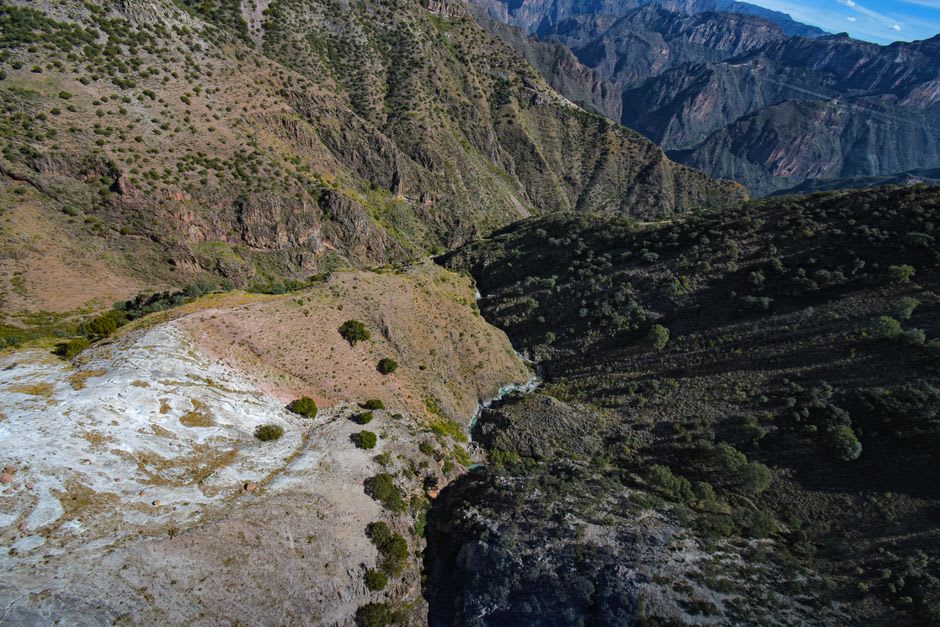
From Creel, the road south toward Batopilas passes the turnoff for Urique — plan two hours of careful descending from the rim. Creel is three to four hours from Chihuahua city by car, or reachable by the Chepe Express train, which is itself worth the journey. Come between November and February when the canyon floor is bearable; in summer the temperature regularly exceeds forty-five degrees and the town is not a place to be casual about hydration or timing.