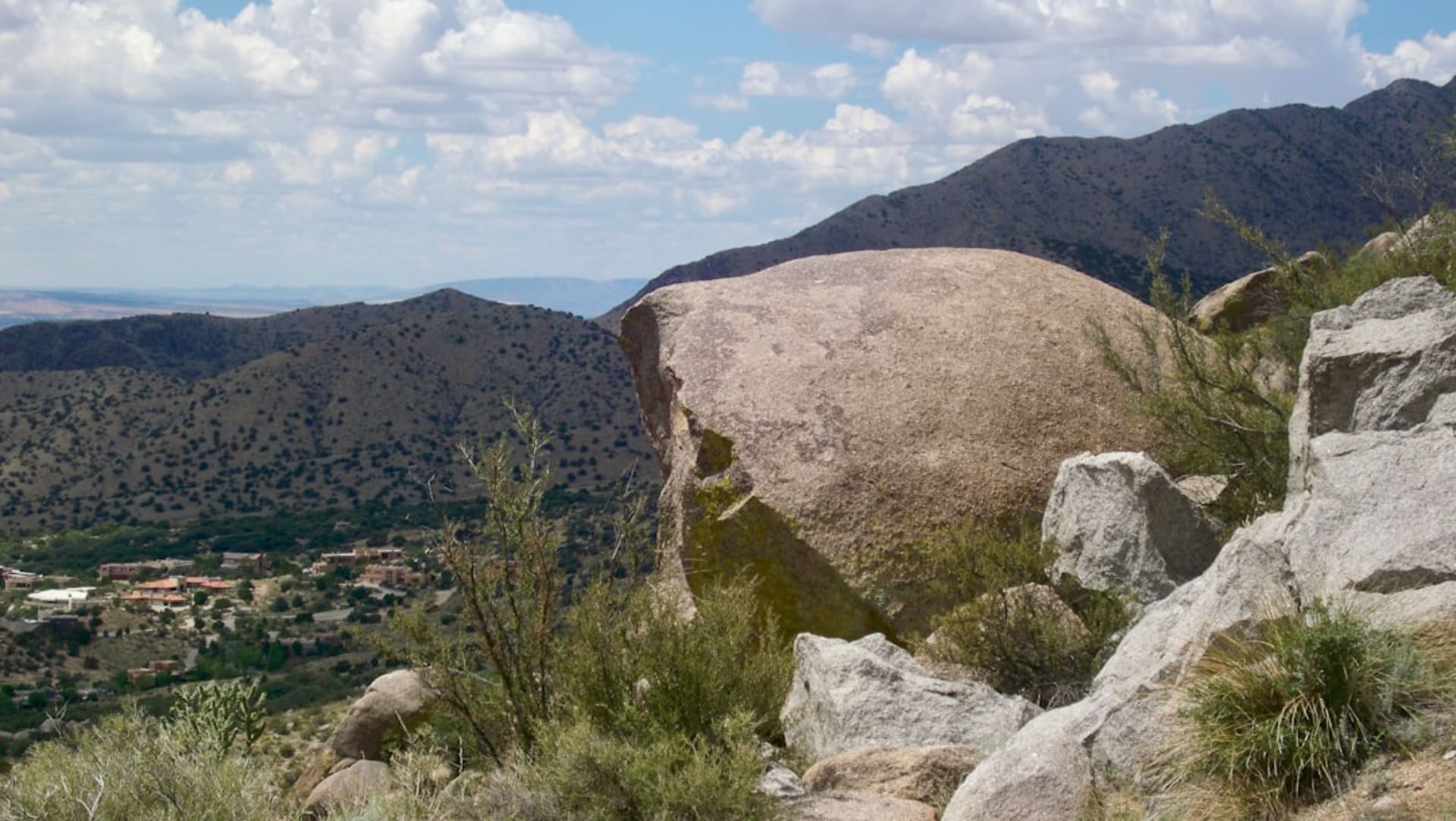
Divisadero
"Standing at the Divisadero rim I finally understood why people call the Copper Canyon a system — it is not a canyon, it is a whole geology laid bare."
The Chepe train stops at Divisadero for fifteen minutes. Fifteen minutes is enough time to walk to the rim, take the photograph, and feel something loosen in your chest — the sensation of scale arriving slowly, like a sound too low to hear properly at first. I had a connecting bus to catch in Creel and a loose plan to be in Los Mochis by Thursday. I watched the train pull away from the platform and felt nothing like regret. I found a room at one of the small posadas near the station and stayed for three days.
The Barranca System
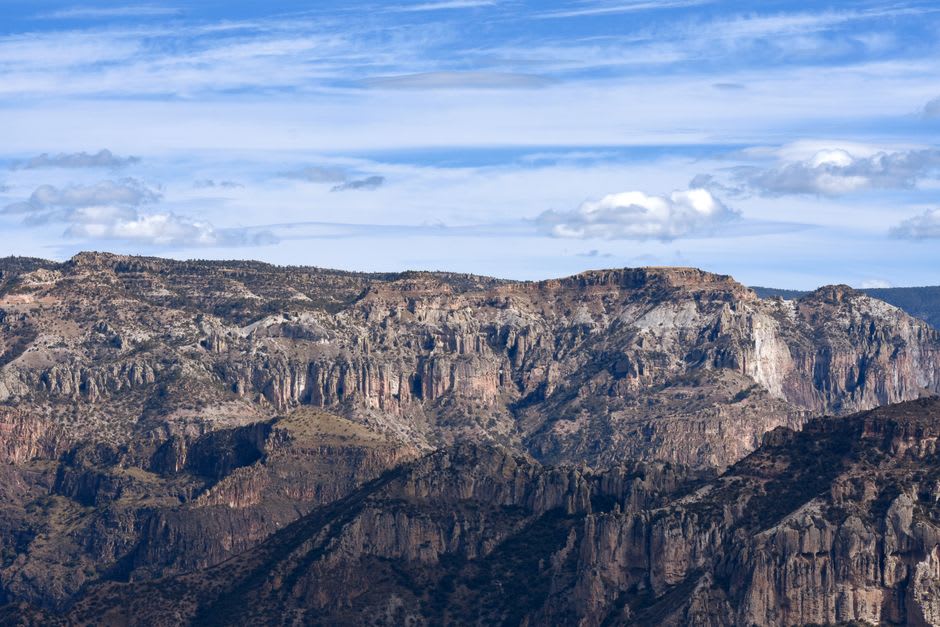
The thing nobody tells you about the Copper Canyon — the Barrancas del Cobre — is that it is not one canyon but six interconnected ones, the whole system covering roughly 65,000 square kilometers. Standing at the Divisadero rim at around four in the afternoon, when the light starts angling in from the west and the walls shift from ochre to something closer to terracotta, you understand why geographers reach for the word “system.” The Grand Canyon is a single dramatic fact. This is a whole argument. The barranca walls drop somewhere between 1,500 and 1,800 meters in places, and the canyon I was looking into — the Urique — felt bottomless in a way that had nothing to do with actual depth. I stayed at the rim for two hours that first afternoon, watching the shadows reorganize themselves across the rock faces, and I still don’t feel like I adequately looked at it.
The Rarámuri and the Rim Path
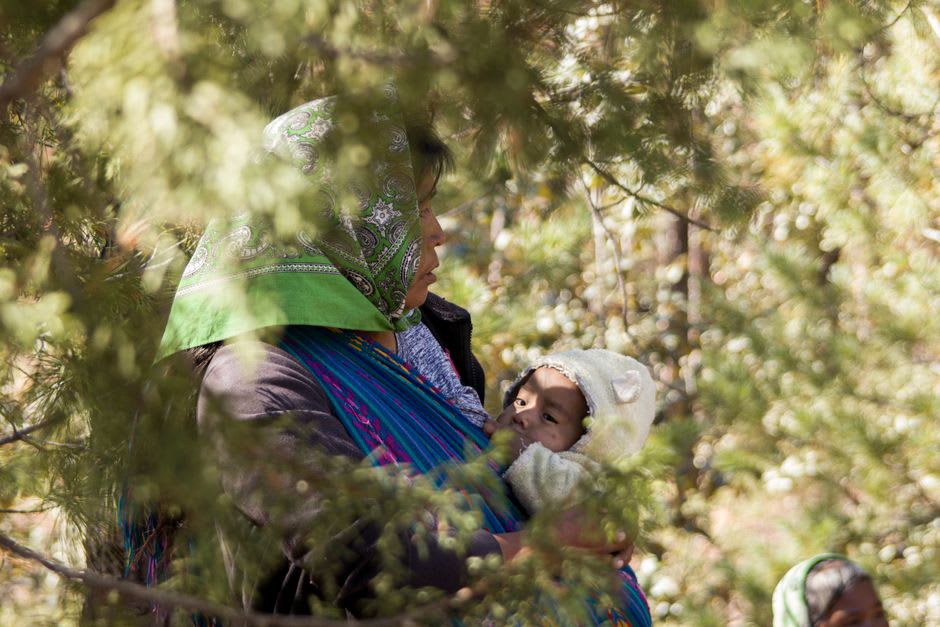
There is a path that runs along the rim from the Hotel Divisadero Barrancas toward the main viewpoints, and along it the Rarámuri women set up small stalls selling pine-needle baskets woven tightly enough to hold water, hand-painted clay pots, small carved figures. The workmanship is extraordinary and the prices are honest. I spent probably an hour talking — through a translator, my Rarámuri being nonexistent — with a woman named Roberta who had been making baskets since she was seven years old and found my interest in the technique slightly puzzling. She was more interested in where I was from. When I said France she told me she had seen a film once set in Paris. We agreed it looked cold. I bought two baskets and have carried guilt ever since that it wasn’t more.
The Zipline and the Sunsets
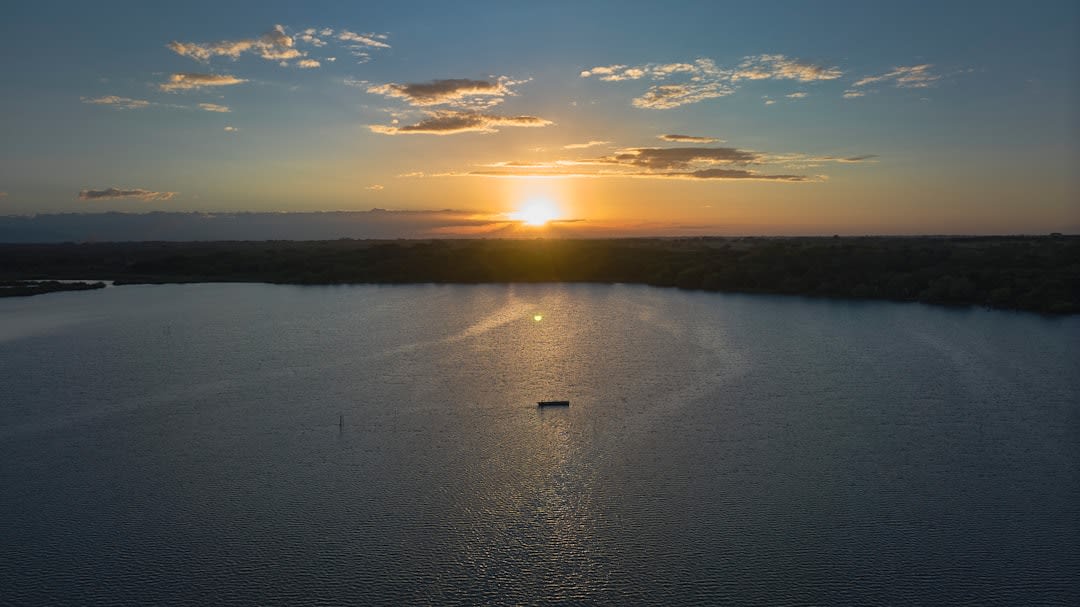
I did the zipline on my second afternoon. I want to be precise about this: I was genuinely frightened in a way I had not anticipated. The cable runs across the barranca for roughly 2.5 kilometers and at certain points the canyon floor is 400 meters below you, and the wind does not negotiate. It took perhaps eight minutes. Afterward I sat at the terrace bar of the Mirador hotel and drank a mezcal and felt briefly invincible, which is probably the correct response. The sunsets from Divisadero are the kind that make you feel embarrassed by your vocabulary. Orange is not the word. Neither is red. The canyon walls absorb and throw back colors that don’t have names in French or Spanish either.
Getting There
Divisadero sits on the Chihuahua al Pacífico railway — the Chepe — roughly five hours from Chihuahua city heading west, or about three hours from Los Mochis on the Sinaloa coast heading east. Both express and regional trains serve the route. The village has a handful of hotels and small posadas clustered near the rim; book ahead for weekends and during the October–November high season.